Tour Overview
Pikey Peak Trek is a popular short trek in the Everest region with beautiful views of the tallest mountains in the world, like Mount Everest, Dhaulagiri, and Kanchenjunga. It is at an altitude of 4,092 m, with stunning views surrounding the surface. This trek also provides a rich cultural experience where you get to understand the Nepali culture and communicate with natives about the history of Pikey Peak. You get to experience the rich Sherpa culture up close and understand Tibetan Buddhism in depth. The Pikey Peak trek goes through Sherpa villages in the Everest region, Buddhist monasteries that follow Tibetan culture, and dense forests filled with Rhododendrons.
If you want to see Mount Everest but don’t want the usual longer route, Pikey Peak is the trek for you. It is a significantly shorter and easier way to see Mount Everest up close. Here, we have prepared an itinerary of 12 days; however, the trek can be completed in 9 days.
Let us discuss the details of this trek.
Pikey Peak: An Easy and Peaceful Alternative to Everest Base Camp
This trek is considered one of the best treks that does not follow the usual path to Mount Everest. You get to walk off the beaten path to Mount Everest, which provides an authentic experience, and it is not crowded since it’s not the usual route to see the amazing peaks of Nepal.
The name “Pikey” in this trek is believed to be derived from the local Sherpas of the region, representing the sky over nature. It makes this journey more exciting and spiritually meaningful as well. Pikey Peak Trek is not as difficult as the EBC. It is a trek that is shorter, and the path is easier. This means that you can participate in the trek with little to no trekking experience.
The Pikey Peak trek is recommended for Spring and Autumn since the skies are clear and the temperature is not too low. You also get to see more greenery and clear mountain views during the Spring and Autumn seasons. The Pikey Peak Trek provided by Destiny Excursion starts and ends in Kathmandu. It is a trek with a moderate difficulty level that is best suited for Spring and Autumn, as we already discussed.
Destiny Excursion provides you with a 12-day itinerary for the Pikey Peak trek so that you don’t feel rushed and you get to enjoy the trek to the fullest. We shall further discuss the highlights of the trek to encourage you to participate in the trek, and then we shall provide a detailed itinerary of 12 days.
Tour Highlights
- Experience Sherpa Culture and Tibetan Buddhism in depth with the natives and history lessons.
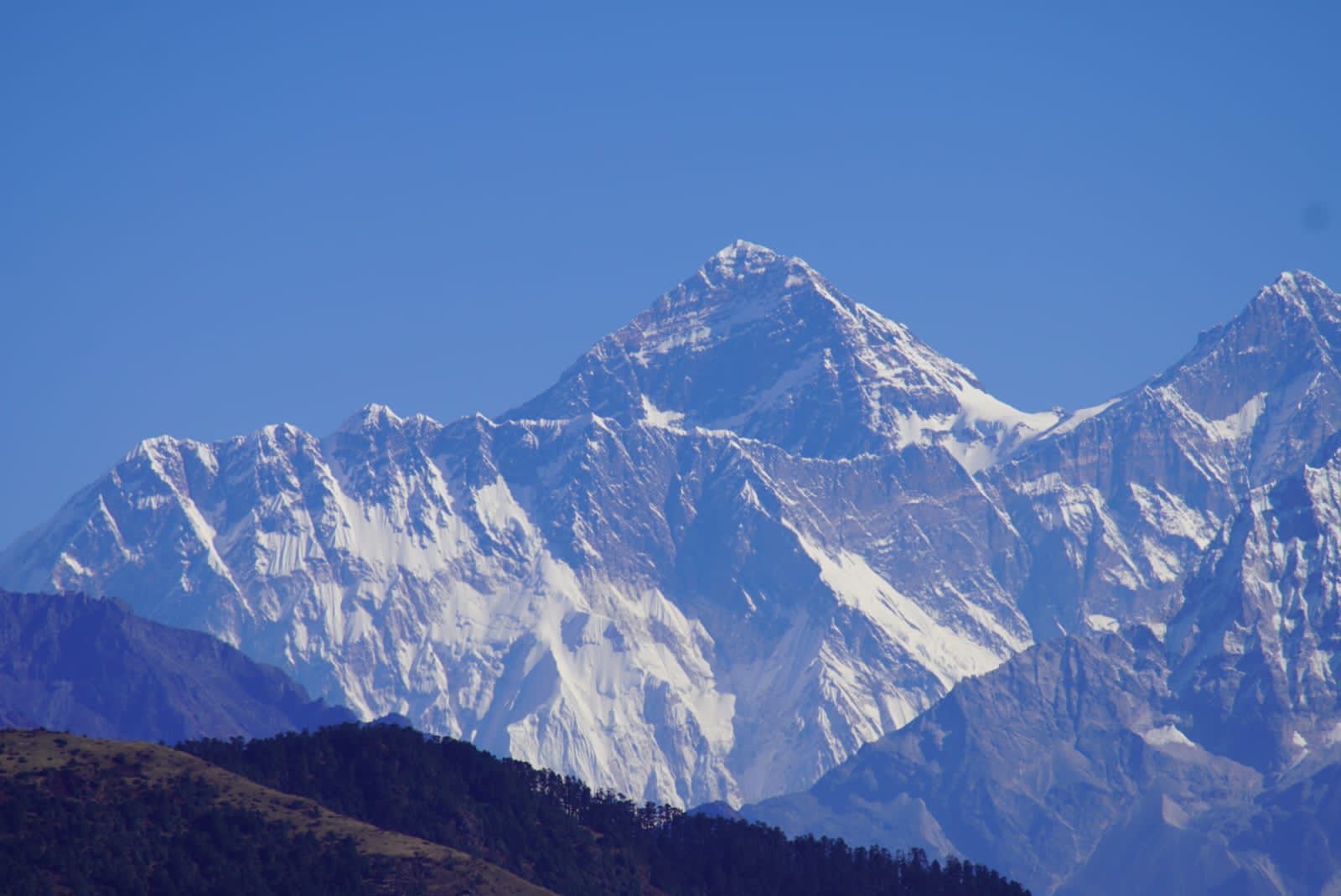
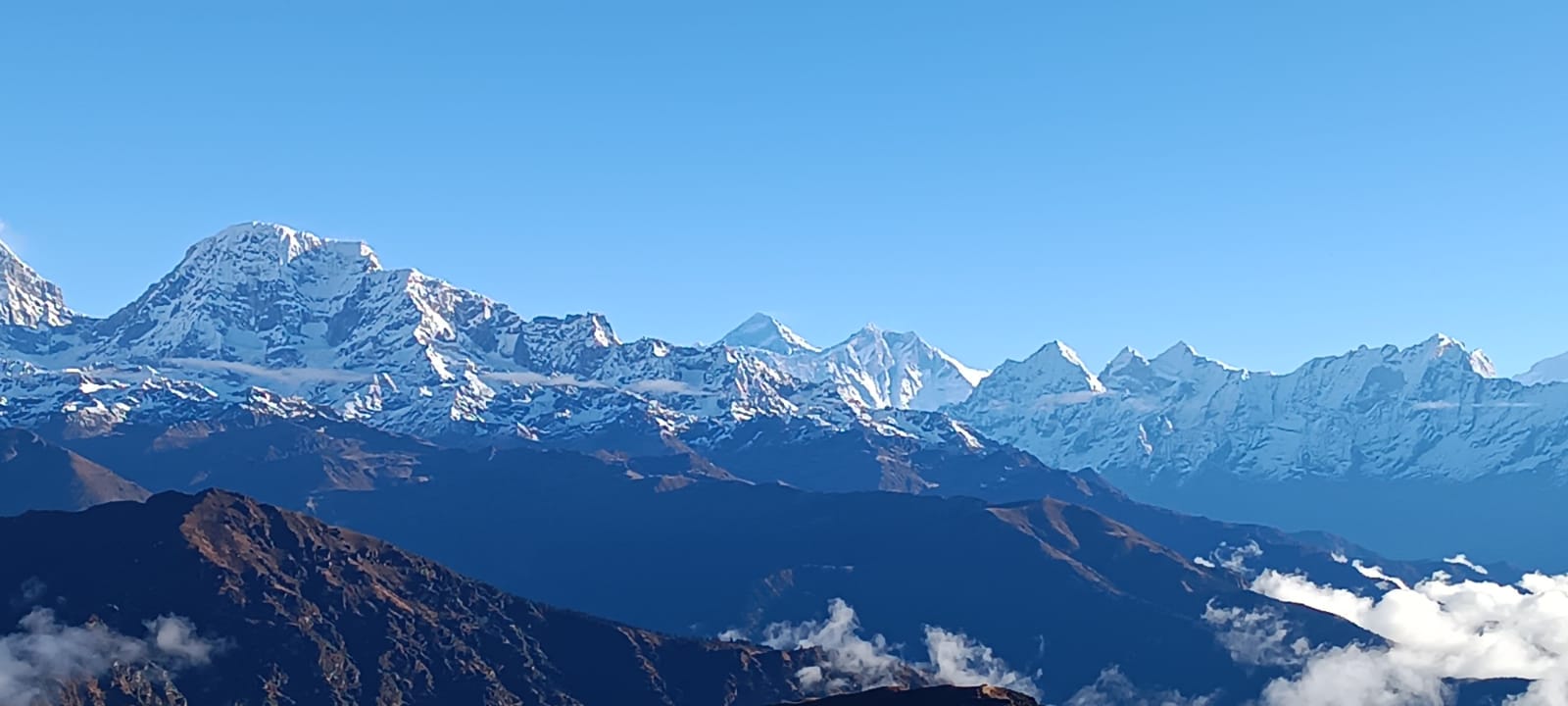
- Spectacular views of Mount Everest and the surrounding range from one of the best viewpoints in Nepal. The tallest mountains in the world are visible in this trek.
- Off the beaten path in Solukhumbu, which makes it less crowded and shorter.
- Lush green forest and stunning countryside landscape to escape reality and connect with nature on a spiritual level.
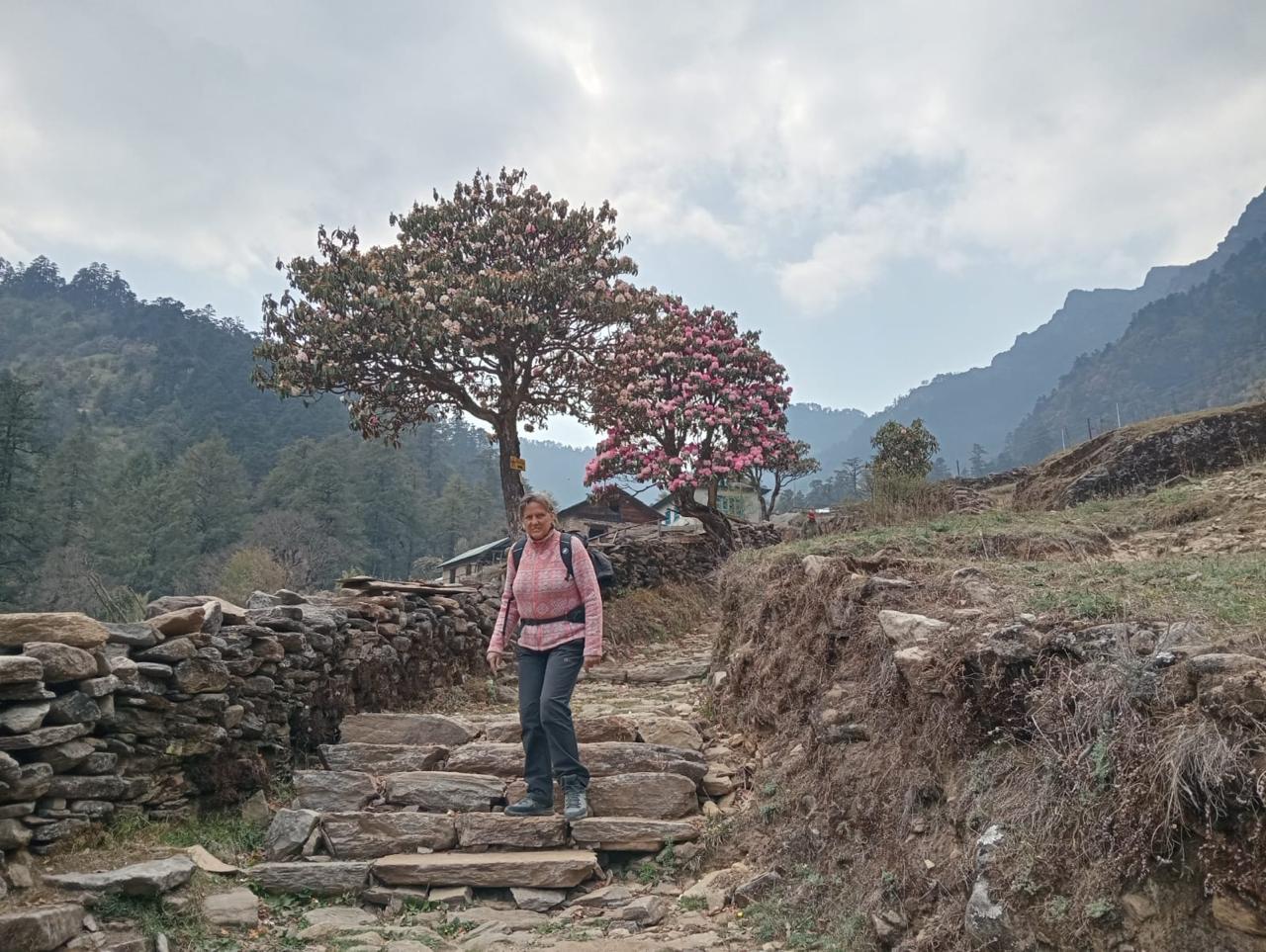
- Walk through the blooming rhododendron forest during the spring season and witness beautiful and dense forests filled with life and joy.
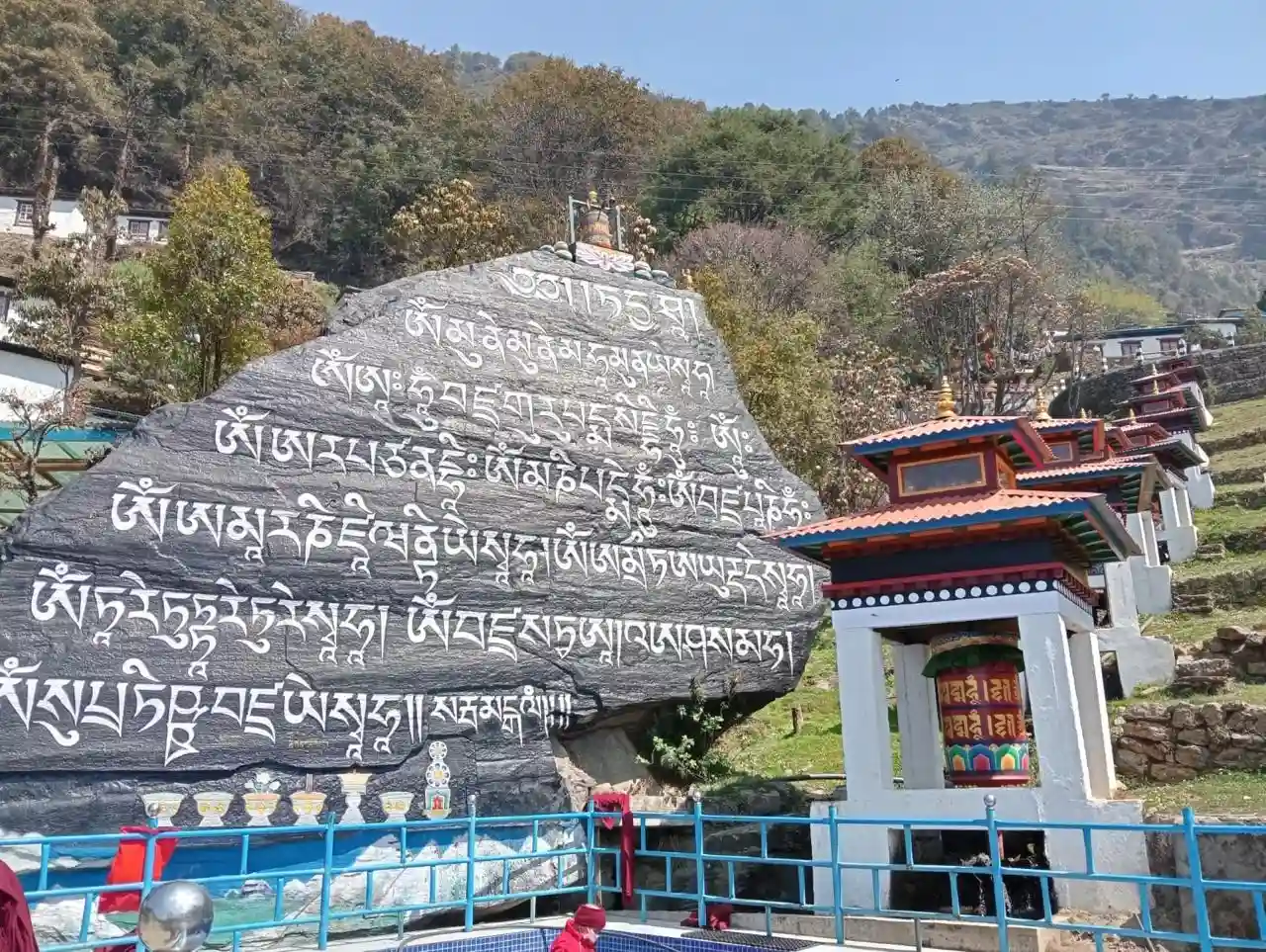
- Visit Buddhist monasteries, monuments, and religious sites for a deeper spiritual connection and a connection to yourself.
Points of Attraction
The Pikey Peak Trek is a journey through the beautiful Himalayas, different trails, new culture and food. It offers a connection to nature and self-actualization, helping you escape reality and living in a different mindset. This trek is about adventure, scenic views and a chance for you to challenge yourself by doing something out of your comfort zone. Here is a brief overview of the points of attractions in Pikey Peak Trek.
Scenic and Natural Attractions
- Stunning views of Mount Everest: An opportunity to see the world’s highest mountain up close. You also get to see other mountains on the way to Everest. These mountains include Dhaulagiri and Kanchenjunga.
- Different Zones: Experience a walk through dense forests and green lowlands to higher altitude regions with changes in climate and scenery.
- Pikey Base Camp: The base camp has stunning close-up views of the surrounding peaks and an open sky full of stars at night.
- Diverse landscapes: Trek through beautiful rhododendron forests, grassy ridges, terraced fields, and forests. The changing scenery gives you something new and exciting to look forward to every day.
- Sunpati and Himalayan incense: Walk through areas rich in nature, including the Sunpati plant, which is used in local incense. The trail smells fresh and earthy throughout.
- Remote trails: Compared to busy trekking routes, this trail is peaceful and uncrowded. You get to enjoy nature without much disturbance.
Cultural and Heritage Attractions
- Traditional Tibetan-influenced and Sherpa villages: In the Everest region, Sherpa and Tibetan culture are widely followed. So, you get to experience the beautiful culture and food in detail.
- Monasteries: There are many monasteries in the Everest region, and the trail to Pikey Peak is a tourist attraction to teach you about our culture. You get to visit ancient Gompa and the Monastery.
- Rich culture: North-eastern Nepal is filled with different types of culture from Sherpa and Tibetan communities. They have unique languages and cultures that are fascinating to understand and learn.
- Homestays and Teahouses: There are many homestays and teahouses that you shall be staying in throughout the trek. Each of them is different and has different stories behind them that you can learn from the locals.
- Festivals: Nepal is a country that likes to celebrate festivals. Depending on the season, you get to witness celebrations of multiple festivals along the trail.
Adventure and Trekking Highlights
- 9 days of trekking: The height elevates from 1,342m to over 2,938m with different trails, and it is a memorable experience to be walking 3-4 hours every day and getting to see new scenery.
- Trekking with permits: Pikey Peak is a secluded trek with fewer trekkers, so you may need a permit to enter some areas.
- Expert-guided journey: This trek has experienced experts who know the trails well, and they guide you throughout the journey, making it safer and exclusive.
- Less-crowded: Compared to other popular treks in Nepal, like ABC and EBC, this trek is performed in small groups by fewer people due to its popularity.
Stay and Experience
- Teahouse: Staying in a simple and cozy teahouse throughout the trek makes you feel closer to the culture and nature. They provide traditional meals, which are perfect for trekking.
- Night views of the villages: Many festivals and markets open at night time, enhancing your trekking experience.
- Hotels in Kathmandu: You get to stay in comfortable hotels with excellent amenities before and after the trek.
- Free days: Extra days are provided for acclimatization, rest, exploring the city and many more.
Itinerary
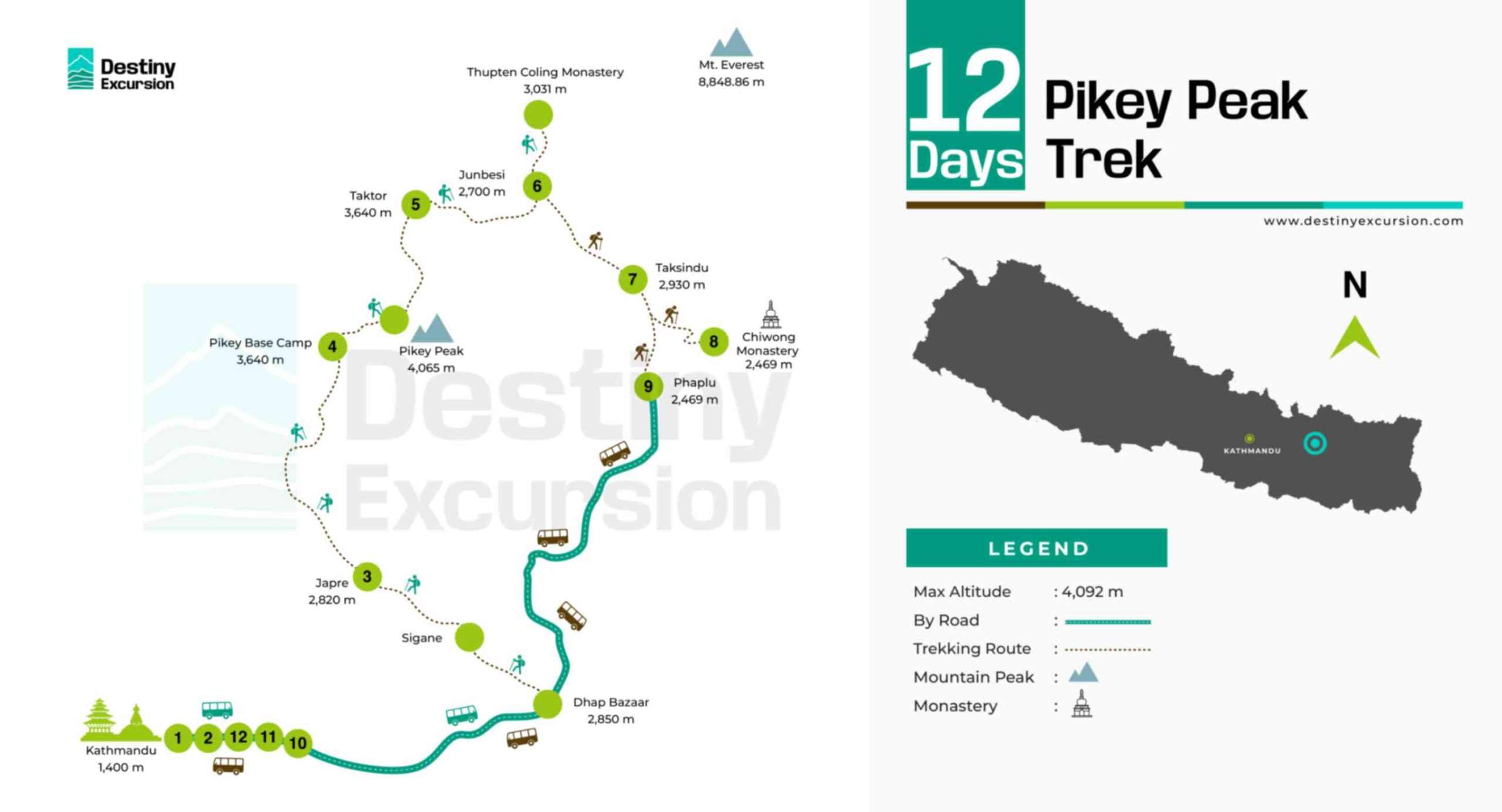
Trek Route
What's included
- A warm welcome dinner on your first night in Nepal.
- Comfortable hotel stay in the city before and after the trek, with breakfast.
- Tea house or lodge accommodation during trekking routes.
- Three meals a day (breakfast, lunch, and dinner) during the trek, as per itinerary.
- All domestic flight tickets mentioned in the schedule for trekkers and guides.
- Private land transportation for airport pickups and transfers.
- Professional guide and porter service, including their wages, insurance, flights, and food.
- Required national park entry permits and local fees.
- First aid kit carried by the trekking team for emergencies.
- Single Room Supplement handled if necessary and divided among group members.
What's excluded
- International air travel, Nepal visa fees, and airport taxes.
- Insurance coverage for accidents, health emergencies, or cancellations (required).
- Optional activities or upgrades not listed in the itinerary.
- Personal trekking items like poles, down jackets, or sleeping bags.
- Personal expenses, including bottled drinks, snacks, and laundry.
- Extra service charges for hot showers, attached bathrooms, or electronic charging.
- Gratuities or tips for trekking and transport staff.
- Unexpected costs due to weather delays, strikes, or route changes.
Gallery