Tour Overview
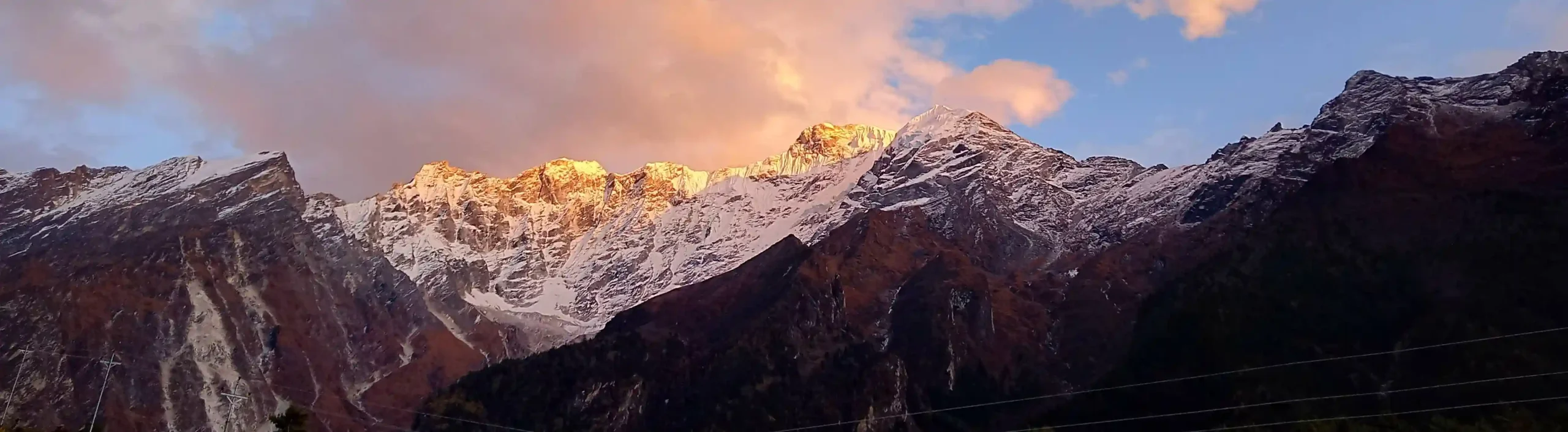
Tsum Valley is located in the northern Gorkha region of Nepal and is a renowned Himalayan Buddhist pilgrimage destination. With the spectacular Manaslu, Himalchuli, Ganesh Himal, Sringi Himal, and Baudha Himal as the background, Tsum Valley is full of life. As “Tsum” refers to “vibrant,” this beautiful Himalayan valley is full of ancient art, color, culture, and religion.
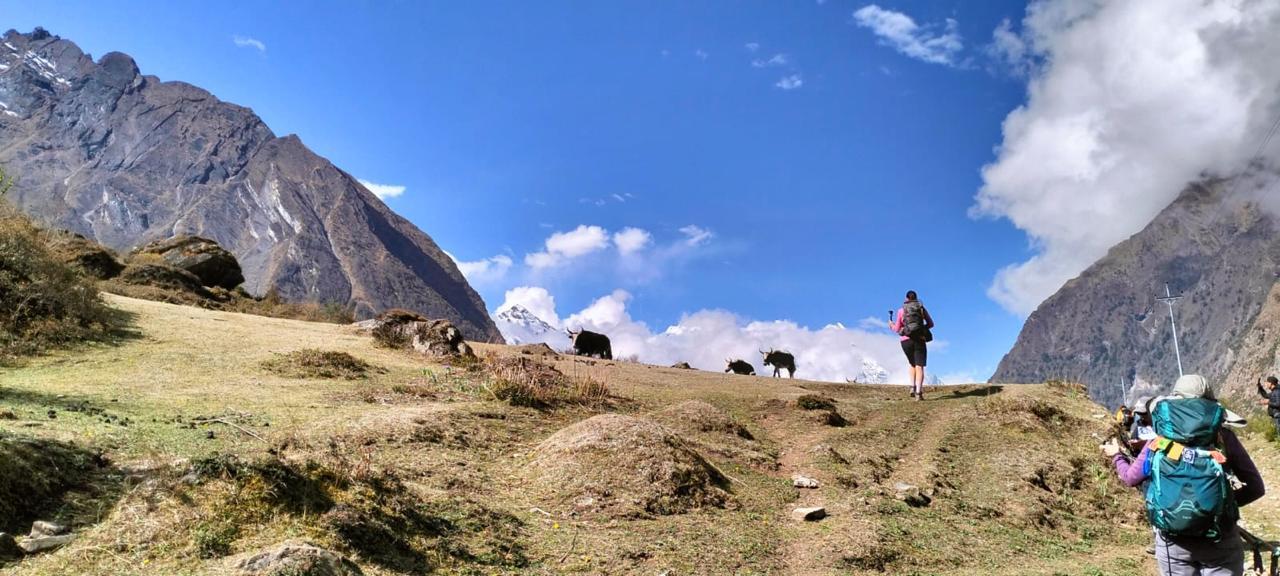
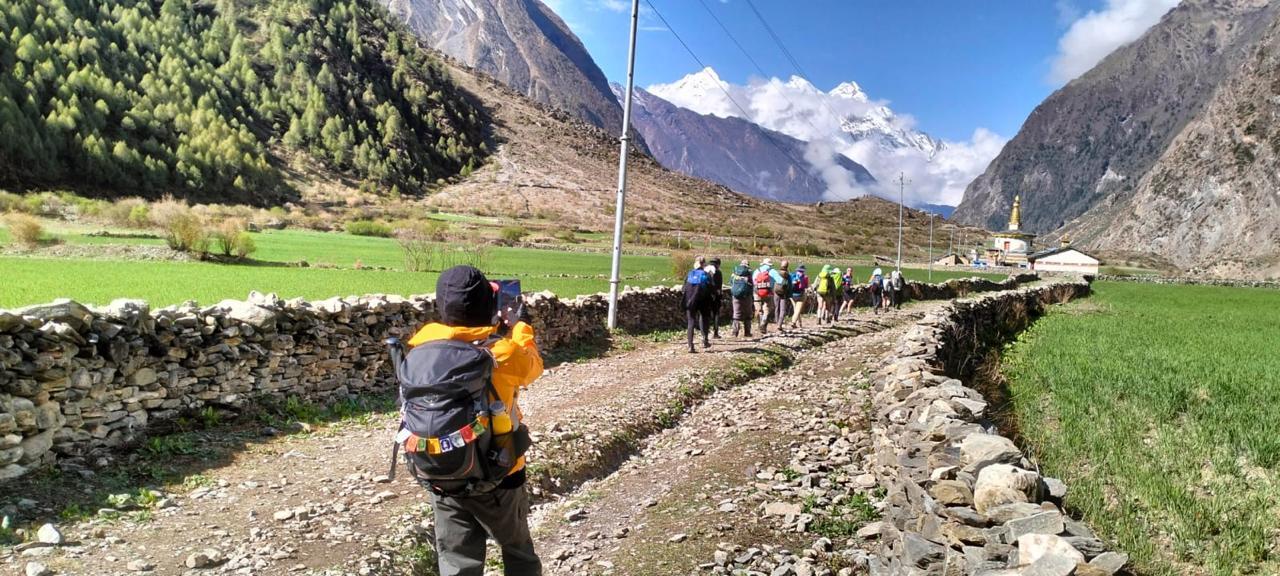
Trekking in the Tsum Valley gives you a scenic view of a green, fertile valley full of Tibetan-style villages, ancient Tibetan Gompas, and traditions. It takes around 16 days from Kathmandu, including travel and rest days, while the actual trek itself spans about 12 days through the untouched beauty of the region that has escaped from modern civilizations and still maintains strong links with Tibet.
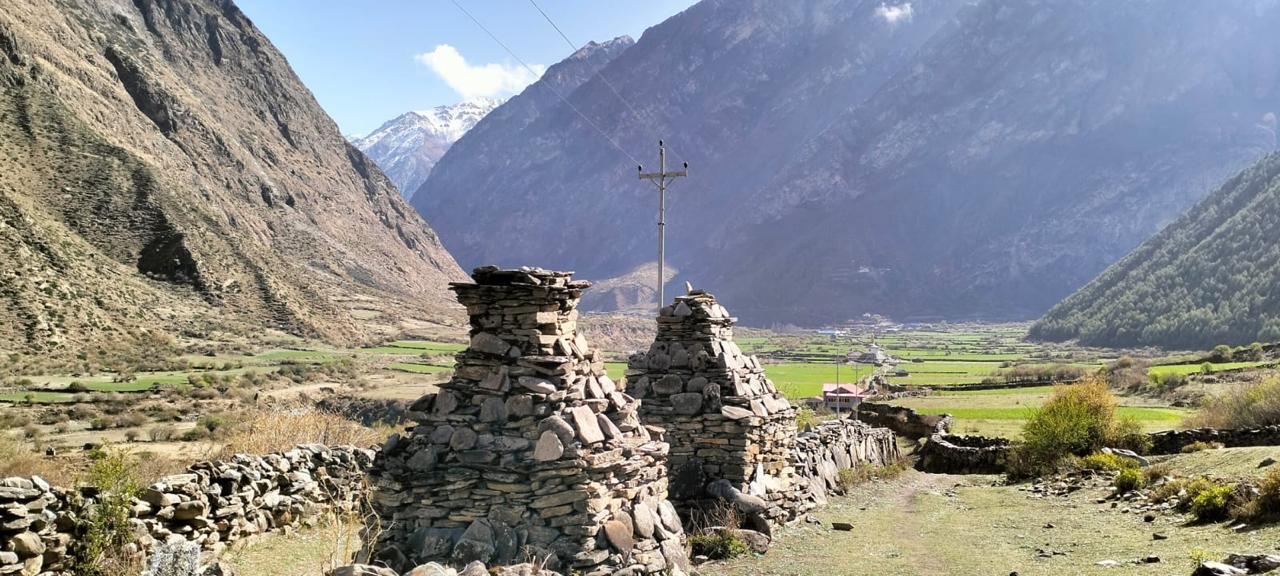
Explore amazing landscapes close to the Tibetan border with Nepal. Here, numerous gompas, monasteries, mani walls, chortens, and prayer flags line the trail, introducing us to Tibetan lives and culture. You will get a complete trek itinerary to prepare for each stage of this exceptional adventure, offering a genuine insight into the isolated and spiritual way of life in the Himalayas.
Tsum Valley Trek: Nepal’s Remote Hidden Route
Tsum Valley Trek is a unique and newly open trekking route in Nepal. Also known as Hidden Valley, this trek route was restricted for a long time due to its proximity to the Tibetan border and its sacred cultural significance. As a new destination on the tourism map, this difficulty of trek is graded as challenging as you are required to pass through the most remote part of Nepal.
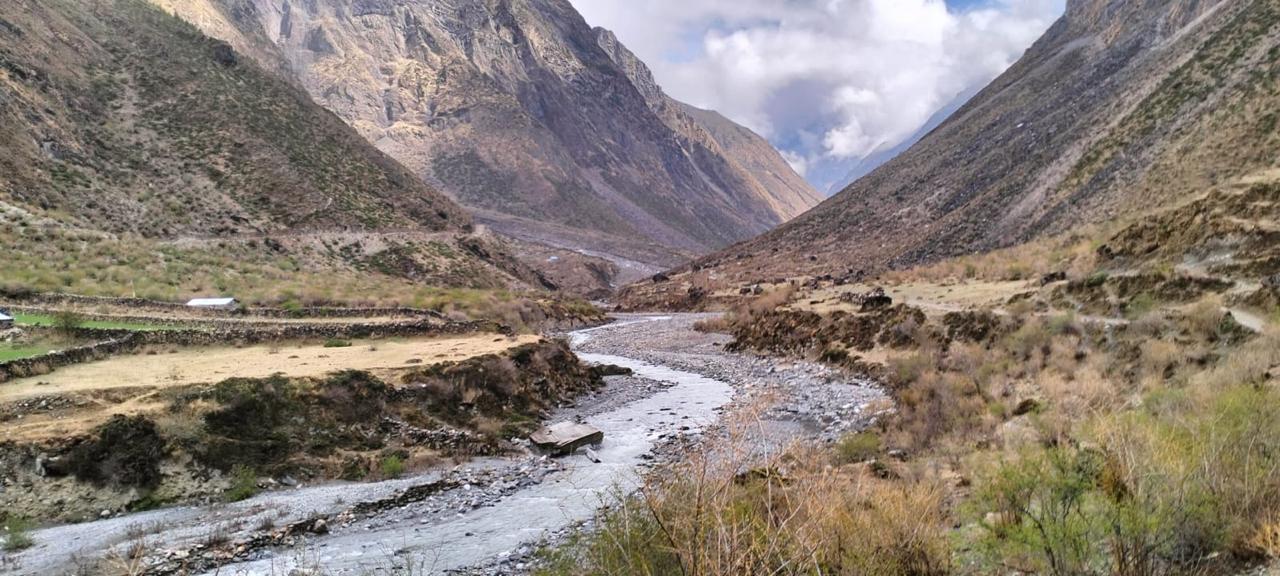
However, despite the difficulty, this beautiful destination will reward you with an incredible view. You can explore Buddhist monasteries, gorgeous river valleys, majestic views of snow-capped mountains, and the vibrant, diverse landscape of the region. Navigating through hills and rivers, you will travel through beautiful villages and forests to reach Gumba Lungdang (3,200m), a significant Buddhist religious place.
The Tsum Valley trek by Destiny Excursion starts and ends in Kathmandu. The best seasons for this trek are spring (March, April, and May) and Autumn (September, October, and November). In spring and autumn, you can experience stable weather with clear skies and breathtaking views of mountains, flower blooms, and vibrant landscapes.
Tour Highlights
- Trek in one of Nepal's most isolated regions
- Open to outside trekkers since 2008
- Visit incredible Buddhist monasteries
- Witness gorgeous river valleys
- Magnificent views of snow-capped mountains including Mount Manaslu, Sringi Himal, Himalchuli, Baudha Himal, and Ganesh Himal
- High-altitude trek to Mu Gompa and Gumba Lungdang (3,200m)
- Visit historically and spiritually significant Tibetan Buddhist monasteries and sacred caves
Points of Attraction
Tsum Valley is a beautiful hidden valley located close to the Tibetan border in Nepal’s northern Gorkha region. The region was restricted to outsiders until 2008, protecting its unspoiled natural beauty, historic Buddhist tradition, and authentic Tibetan culture. Even though the trek is challenging, it offers travelers breathtaking scenery, spiritual experiences, and friendly locals in one of Nepal’s most remote valleys. Tsum Valley is more than just a trekking location; it’s an emotional exploration of a secret realm of Himalayan culture, spirituality and beautiful nature.
The main points of attraction of the Tsum Valley Trek are as follows:
Cultural and Heritage Attraction
- Mu Gompa (3,700m): Mo Gompa is one of the significant monasteries located at the highest place in the Tsum Valley region. Here, you can feel the spiritual energy and cultural influence of Buddhism with a relaxing sensation of peace. Mu Gompa also offers beautiful views of majestic mountains, including Ganesh Himal.
- Gompa Rachen: You can experience the culture of women’s monasteries at Rachen Gompa, a remote Buddhist religious site. Here, you can learn about the daily life and activities of monks, including their way of cooking, spinning prayer wheels, and instructing younger practitioners.
- Milarepa Cave: Milarepa, the famous yogi of Tibet, is believed to have meditated in this cave. While visiting the cave, you can light butter lights, experience the peace and feel the importance of the sacred cave.
Scenic and Natural Attractions
- Ganesh Himal and Manaslu Panorama: You can explore the stunning panorama of the Himalayas, including the Manaslu’s west face and Ganesh Himal summit from Chhokang Paro and Nile viewpoint.
- Spring Rhododendron Blooms: You can enjoy the beauty of Nepal’s national flower rhododendron, which blooms in pink, red, and white color, along the trek route between Ekle Bhatti and Chumling if you are visiting in April-May.
- Views of a Terraced Hillside Village: From settlements like Chumling and Nile, you can get a beautiful view of terraced land in the hillsides, that changes with the seasons, from golden barley fields to green rice paddies.
Adventure and Trekking Highlights
- High-Altitude Trail Challenges: Test your stamina and navigation skills by tackling steep ascents and descents on rough, rocky trails, especially the journey to Mu Gompa and the Ganesh Himal Base Camp.
- Suspension Bridge Crossings: Feel the unique experience of crossing narrow and swinging suspension bridges over the rushing rivers.
- Ganesh Himal Base Camp (4,200m): Push yourself to the maximum limit by completing the optional side treks to Ganesh Himal Base Camp (4,200m), which will reward you with extra elevation gain and panoramic views of the Himalayas.
- Acclimatization: Gaining endurance through planned acclimatization at Gumba Lungdang and rest days is essential for trekking safely over 3,000 meters.
Stay and Experience
- Traditional Tea houses: You will spend the night in a family-run tea house in villages like Chumling, Chhokang Paro, and Nile. Gather near the wood-burning stove to share experiences with other trekkers and enjoy an authentic taste of simple dal-bhat prepared by the locals.
- Night stay at Gumba Lungdang: Staying overnight at the women’s monastery in Gumba Lungdang gives you a chance to experience warm Himalayan hospitality. Enjoy a packed lunch with the monks, observe their daily life, prayer and rituals and awaken to the vibrant chant of morning puja.
- Hotels in Kathmandu and Machhakhola: Experience the warm hospitality of hotels in Kathmandu and Machhakhola before, during, and after the trek.
- Explore the culture of Kathmandu: Through its UNESCO World Heritage sites, bustling marketplaces, holy sites, traditional cuisine, and beautiful mountain views, discover Kathmandu’s rich cultural, spiritual, and historical importance.
Itinerary
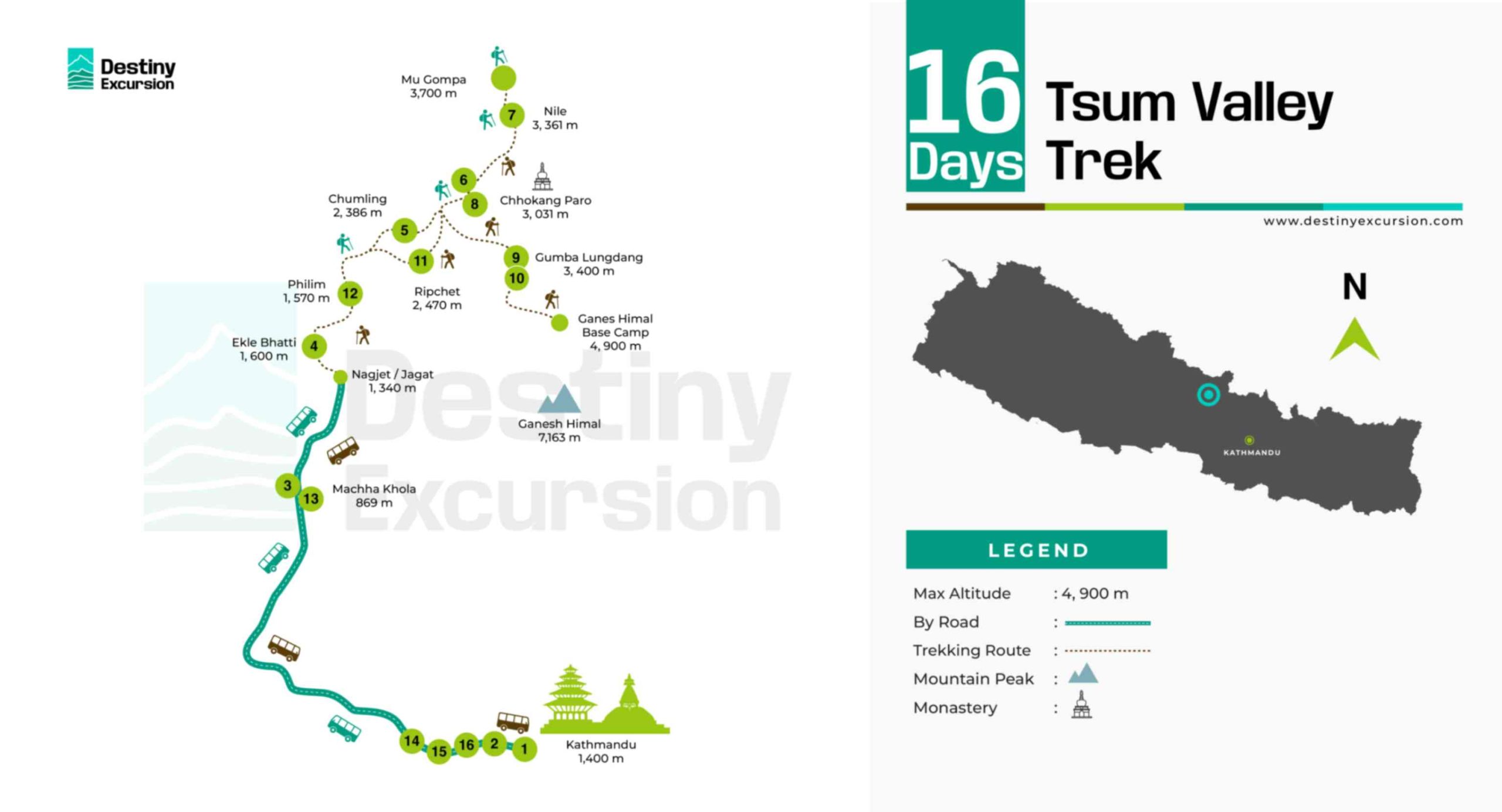
Trek Route
What's included
- Welcome dinner in Kathmandu
- Hotel accommodation with breakfast in city areas
- Lodge or tea house accommodation during trekking
- All meals (breakfast, lunch, dinner) mentioned in itinerary
- Domestic flight arrangements for trekkers and guides
- Private transport for airport and hotel transfers
- Certified guide and porter service with flights, food, lodging, and insurance
- All required permits including trekking region and national park entries
- First aid kit for basic health support
- Single room supplement managed among travelers
What's excluded
- International airfares, Nepal visa charges, and airport fees
- Mandatory travel insurance covering emergencies and trip cancellations
- Optional services or tours outside the itinerary
- Personal trekking accessories such as walking poles or warm clothing
- Personal expenses including snacks, drinks, laundry, and souvenirs
- Extra lodge costs for hot showers, battery charging, or attached bathrooms
- Tips for guides, drivers, and porters
- Unforeseen expenses from delays, weather, or itinerary adjustments
Gallery