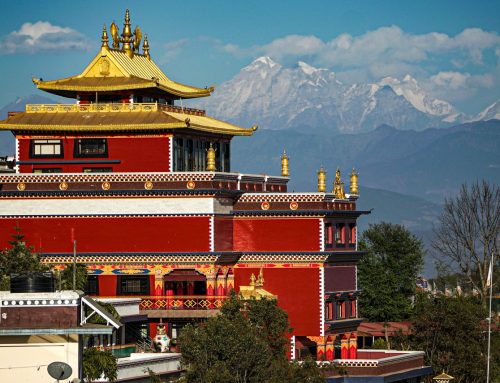
Pokhara doesn’t need much selling. A lakeside city with Himalayan peaks visible on clear mornings, paragliding from the ridge above town, and enough of a cafe culture to make a week feel short. Most tour packages lead with the same list of highlights: Sarangkot, Phewa Lake, Davis Falls, paragliding. This guide covers what that list actually means when you arrive.
What a Standard Package Includes
Accommodation: typically a 3-star hotel in the Lakeside area. “3-star” in Pokhara covers a genuine range. One traveller described her hotel as having an “excellent location but some rooms were relatively small.” Another found the room fine and the on-site food disappointing. Hotel rooms in Lakeside are generally functional. Eating out in Lakeside is better value than relying on hotel dining.
Transport: transfer from Kathmandu to Pokhara and back. Budget packages use the tourist coach, a VIP-seat shared bus leaving Sorhakhutte at around 6:45am. The journey takes 7 hours. If you expected a private vehicle, that is a different tier and a different price. Confirm which transport is included before booking.
Sightseeing: a day or half-day of the main Pokhara attractions. The standard list covers Sarangkot sunrise viewpoint, Davis Falls, Gupteshwor Mahadev Cave, Tal Barahi Temple, and the World Peace Stupa. These can all be visited in a single day.
What’s Almost Never Included
Meals: breakfast is usually included. Lunch and dinner are not. Mineral water and beverages throughout the day come from your own pocket. One operator states it plainly: “Beverages, snacks, are not included in our packages, so you have to pay additional cash.”
Paragliding: almost every Pokhara package lists paragliding as a highlight. It is almost always a paid add-on. A standard tandem flight from Sarangkot runs USD 65 to 100 depending on duration. Photos and video are now typically bundled into most operators’ pricing, but confirm before you fly.
The paragliding is worth it. One traveller from Stockholm, who has visited Pokhara three times, described his flight as “the single most beautiful feeling of my life. Forty-eight years old, been to fifty countries, and nothing compares.” One practical note: don’t book it for the last morning of your stay. Weather cancellations are common, particularly June to September, and a good pilot cancels without hesitation when conditions aren’t right. A pair of travellers from Bristol noted their pilot “checked the wind three times before deciding to launch. He’d cancelled two flights that morning because conditions weren’t right. That kind of caution made me trust him completely.”
Entrance fees: vary by operator, often not included. Current fees for foreign visitors: Davis Falls (NPR 100), Mahendra Cave (NPR 100), Bat Cave (NPR 150), International Mountain Museum (NPR 500). Budget for these if your package doesn’t specify.
Boating on Phewa Lake: some packages include it, some don’t. Where included in a budget package, it usually means a self-hired rowboat at NPR 500 per hour, not a guided experience. What “Phewa Lake included” means specifically is worth confirming before you book.
The Driver vs Guide Gap
Many Pokhara packages include a driver, not a guide. These are not the same thing. One operator states this explicitly in their terms: “The driver is NOT A GUIDE; he will take you to the sightseeing spots mentioned in the itinerary. You will have to explore the place of visit on your own.”
At Davis Falls, this means you arrive, look at the waterfall, and leave. At Gupteshwor Cave, the same. No context, no explanation of what you’re looking at or why it matters. Adding an English-speaking guide to a driver-only package costs approximately USD 30 extra. For travellers who want interpretation alongside the sightseeing, this addition changes the experience substantially.
Sarangkot: What It Actually Involves
Sarangkot sunrise is the centrepiece of most Pokhara packages and genuinely delivers on a clear morning. What packages don’t usually mention: it requires leaving the hotel before 4am, a 30 to 40 minute drive in the dark, and walking up a flight of stairs to the viewpoint.
Clear Himalayan views from Sarangkot are reliable October to November and March to May. Outside those windows, cloud cover is common. Packages promising clear views in July are selling something they cannot guarantee.
When a Package Makes Sense
Pokhara’s Lakeside is one of the most independently navigable places in Nepal. English is widely spoken. Menus are in multiple languages. Every activity is bookable from the street at posted rates. Compared to trek routes where a guide adds genuine logistical value, Pokhara rewards independent travellers.
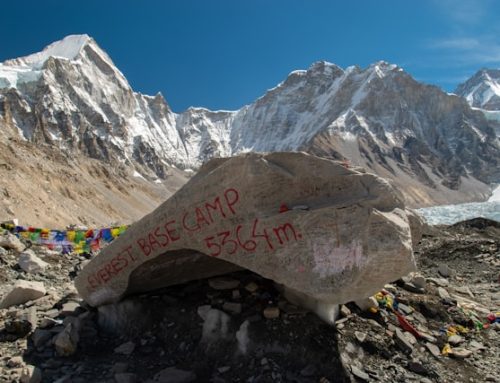
A package makes sense when you’re arriving directly from Kathmandu with limited planning time, or combining Pokhara with a trek and want the city portion handled in advance. For the trekking side of your trip, our Everest Base Camp cost guide covers what to budget and what a standard package includes. It makes less sense if you prefer flexibility, want to choose your own restaurants, or are happy making your own way between attractions.
Four questions worth asking before booking any Pokhara package: Is the transport a private vehicle or shared tourist bus? Is paragliding included or an extra? Does the package include a guide or a driver only? Is breakfast the only meal covered?
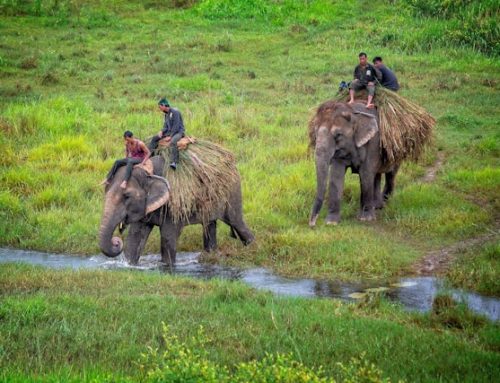
Most surprises in Pokhara packages come from not asking those four questions. Destiny Excursion has run Pokhara tours alongside its trekking programs for over three decades. If you are pairing Pokhara with a wildlife stop, see our Chitwan safari packages. If you want a package built around what you actually want to do rather than a standard sightseeing list, reach out directly.