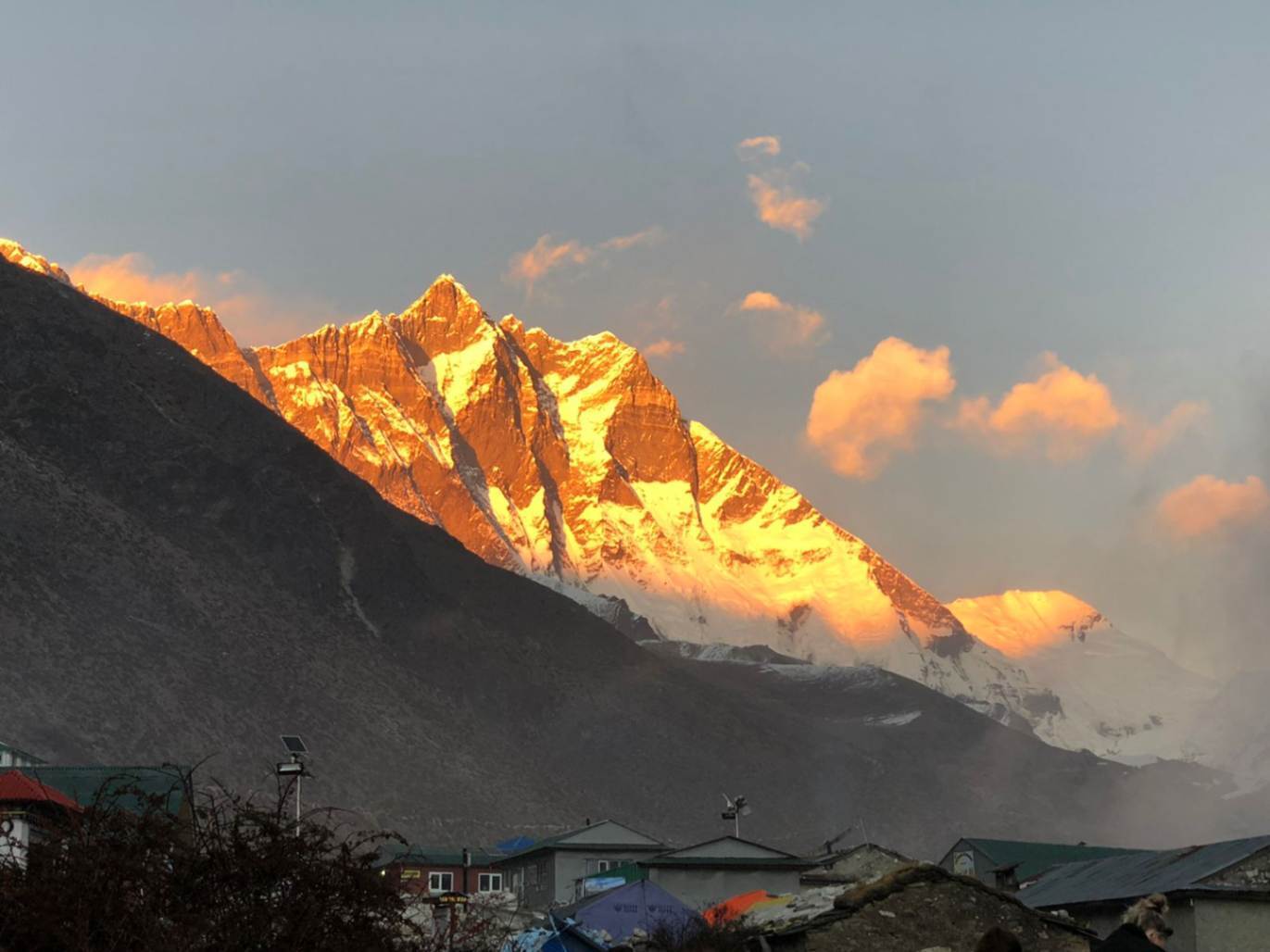
Everest Base Camp is a highly rewarding destination. This trek has gained a considerable amount of attention from various trekkers around the world due to its magnificent mountains of the Himalayas, scenic surroundings, and rich cultural heritage. To take part in EBC trekking, you should do proper preparation in order to ensure a safe, comfortable, and enjoyable experience. There are numerous aspects related to preparation for EBC trekking.
One of the crucial aspects is packing the appropriate gear. You may experience weather conditions like high temperatures, windy, and unpredictable conditions while trekking in EBC. To deal with these issues, gear such as insulated jackets, thermal clothing, trekking poles, sleeping bags, a first-aid box, and bags becomes essential. A well-planned packing list not only prevents you from discomfort and health issues but also allows you to focus on the adventure itself.
In this blog, we are covering every aspect of what you should know about the Everest Base Camp Trek packing list, such as the altitude of the EBC, the temperatures, why it is important, packing list and what you should avoid.
Altitude of Everest Base Camp
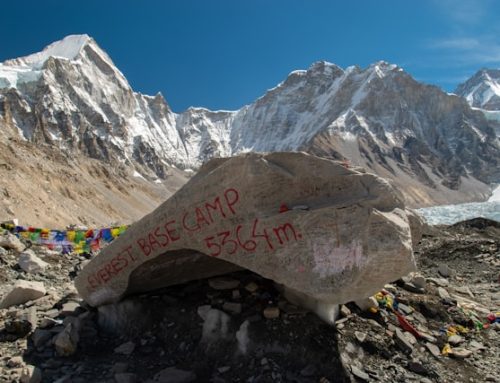
The Everest Base Camp (EBC) trekking route is among the best trekking options, situated at a height of 5,364 meters (17,598 ft) above sea level.At this elevation, you can witness breathtaking views of mountains such as Everest, Lhotse, and Nuptse.
As this base camp is at an altitude of 5,364 meters, the amount of available oxygen is very low—around 50% of what is found at sea level. Because of the low temperature, you may get altitude sickness. Due to this, it is essential to have altitude sickness medicines to prevent altitude sickness.
The journey begins from the low-altitude settlement of Lukla (2,860 m), and after that, the route steadily gains altitude. As the ascent towards the higher altitudes begins, acclimatization is required to save yourself from the risks of Acute Mountain Sickness. In case of planning a journey to the high-altitude region, appropriate measures need to be taken, such as acclimatization, correct water consumption, and necessary equipment.
How cold is Everest Base Camp?
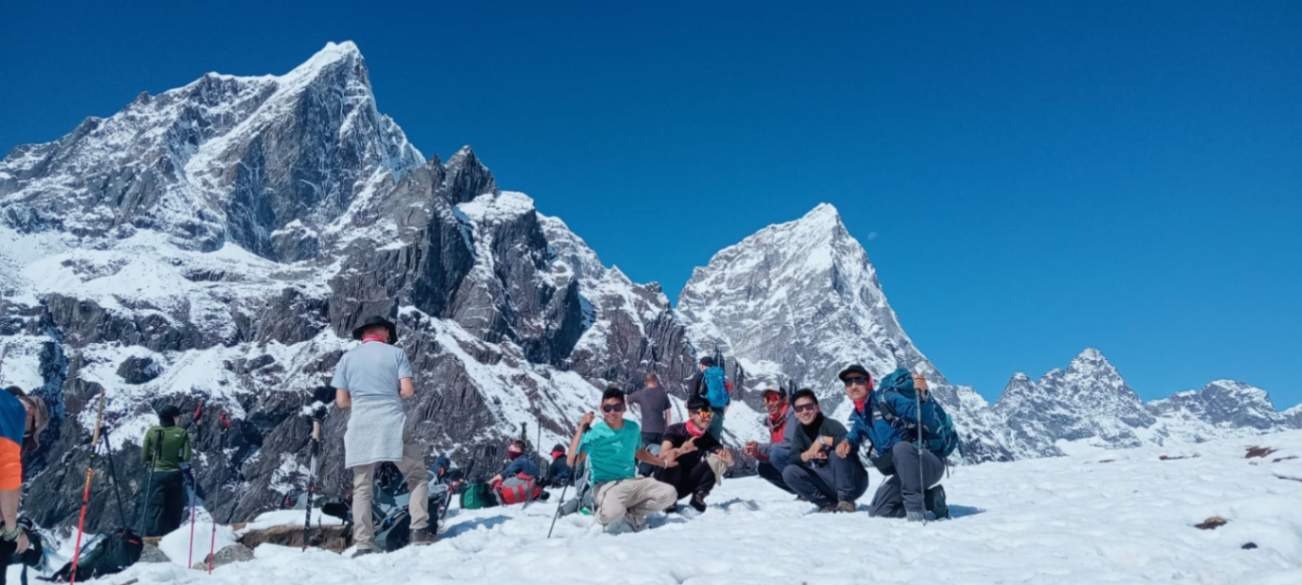
As the Everest Base Camp lies at a high altitude, the weather is extremely cold. Additionally, at this place, the temperature fluctuates frequently throughout the day. During the trekking seasons (spring and Autumn), the daytime temperature ranges from 5°C to 15°C (41°F to 59°F). At night, the temperature drops up to -5°C to -15°C (23°F to 5°F), so it will be very cold for you. Likewise, in winter (December to February), the temperature ranges from -5°C to 10°C (23°F to 50°F). At night, the strong wind blows, making the surrounding area even colder. This results in the temperature dropping as low as -25°C. The combination of freezing temperatures, thin air, and unpredictable weather makes trekking at Everest Base Camp very challenging.
Why is a Packing List Important for EBC?
A smart packing list plays an important role in helping trekkers to prepare for the Everest Base Camp trek. It assists you in dealing with the difficulties (high altitude, freezing climate, and unavailability of commodities) during the trek. Apart from this, the packing list will further prevent you from bringing a bulky bag, thereby ensuring a comfortable trip for you. There are a few important reasons why the Everest Base Camp trek packing list has a vital role, Some of them are explained below:
- Protection Against Extreme Weather: The packing list, including proper clothing, sleeping gear, and accessories, can help to protect you against cold, wind and snow.
- Health and Safety: Packing altitude sickness medication, a first-aid kit, and water purification tools can help prevent illness and dehydration.
- Comfort during trekking: The Packing list is made for comfort during trekking. It should include trekking poles, sturdy boots, and layered clothing, which help provide comfort while trekking.
- Preparedness for Emergencies: Making the packing list, including the backup gear, headlamps, and navigation tools, can be useful during emergencies.
- Avoid Overpacking or Underpacking: The packing list should have only the essential equipment. It will help you avoid both overpacking and underpacking by packing only the essential equipment, thus making it easier for you to go on a trek.
What to Pack for the Everest Base Camp Trek?
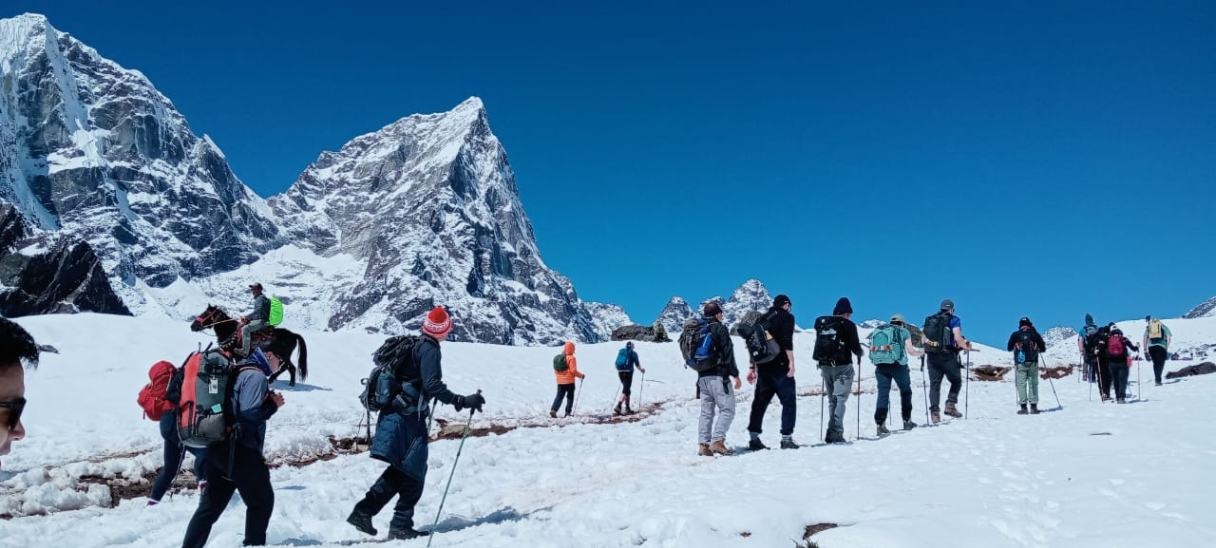
For the Everest Base Camp trek, there are many essential things you need to pack which can make your journey fruitful. Packing the right equipment for this trek can make a big difference in your overall experience. It helps to minimize stress and allows you to concentrate on your adventure journey. Some of the Everest Base Camp trek packing list are listed below:
1. Head wear
To protect yourself from the cold and the strong Himalayan sun, it is important to have headwear. Having the right headwear keeps you warm during early mornings and safe from sunburn during the day. Furthermore, it also prevents you from getting headaches. Some of the essential headwear includes:
- Wool Hat or Balaclava
- Sunglasses
- Stetson Hat
- Scraf
- Buff/Neck Gaiter
2. Body wear
Body wear is very important for staying comfortable during the trek. It helps to regulate your body temperature, keeps you dry by absorbing sweat, and provides insulation against the cold. Choosing the appropriate body wear can also protect you from wind, snow and let you move freely on the trail. Some of the body wear are as follows:
- Waterproof and windproof jacket
- Waterproof Pants
- Windbreaker
- Fleece Jacket
- Long Underwear
- Hiking Shorts
- Down jacket
- Fleece plants
- Neck gaiter/ Muffler
- Trekking pants
- Underwear
- Sleeve shirt
- Lightweight thermal tops
3. Hand Wear
Hands are a very sensitive body part and can easily be affected by cold, wind, and moisture. Having a good hand wearer ensures that your fingers stay warm and is safe during trekking. It also improves grip and dexterity, which is important when using trekking poles or handling equipment. Some of the hand wearers are listed below:
- Waterproof Glove
- Wool or Down Mittens/Gloves
4. Foot Wear
It is important to wear comfortable and supportive footwear to prevent blisters and keep your feet warm and dry during the trek. Additionally, wearing high-quality footwear can also ease your journey to EBC. Some of the footwear are as follows:
- Trekking boots
- Sock Liners
- Ankle Support
- Flip Flops/Slippers
- Hiking Socks
- Camp Shoes
- Leg Warmer
- Warm Thermal Socks
5. Gear and Equipment
Trekking gear plays an important role in trekking. It helps to ensure safety, comfort, and convenience on high-altitude trails. If you have the right equipment checklist for the trek, then your journey can be smoother and more enjoyable. Some of the list of gear and equipment are as follows:
- Duffel bag
- Trekking Poles
- Water Bottle
- Headlamp
- Sleeping Bag
- Earplugs
- Rain Gear
- Swiss Army Knife
- Camelback
- Binoculars
- Small Locks
- Waterproof Cover for Bags
- Day Packs/Backpacks
- Ziploc Bags in different sizes
6. Toiletries
Maintaining personal hygiene is very important. So, you should pack the toiletries in your backpack to maintain cleanliness and prevent illness. It also helps to stay comfortable and feel fresh during trekking days. Some of the essential toiletries are listed below:
- Sunscreen
- Lip Balm
- Soap
- Toothbrush/Toothpaste
- Quick-Dry Towel
- Hand Sanitizer
- Tissue Paper
- Lotion/Moisturizer
- Baby Wet Wipes
- Deodorant
- Nail Clippers
- Small mirror
7. First Aid and Medicines
First aid kit and Medicines are essential if you are performing a trek. Carrying them ensures that you can handle minor ailments or altitude sickness. It helps to treat minor issues before they become serious problems. Some of the first aid kit and medicines are as follows:
- Antibiotics
- Thermometer
- Aspirin
- Pain Killer
- Bandage
- Eye drops
- Water Purification Tablets
- Medical tape
- Ibuprofen
- duct tape
- Anti-chafe Balm
- Scissors
- Diaper Rash Cream
- Gloves
- Ointment
- Powder
Other than these medicines, if you have any personally prescribed medication, it is recommended that you bring all of it.
Also Read:
8. Travel Snacks and Beverages
Snacks help you to keep your stamina up and keep you energized between meals. They provide quick energy when you need it most. Additionally, it also helps to maintain focus during challenging sections of the trek. Some of the travel snacks are as follows:
- Energy Bars/Granola Bars
- Instant Oatmeal
- Mix of Dry Fruits
- Dry Soup mixes
- Cheese and Crackers
- Protein bars
- Sweets
- Electrolyte sachets
- Travel Tea or Coffee
9. Travel Documents
Some travel documents are required to successfully complete the Everest Base Camp trek. These documents help you to stay safe and accessible. Without them, you may find it difficult to trek to Everest Base Camp. The travel documents are as follows:
- Permits:
- Sagarmatha National Park Entry Permits: The cost is around NPR 3,000 (approx. $30 USD) for foreigners, NPR 1,500 for SAARC nationals, and NPR 100 for Nepali citizens per person
- Khumbu Pasang Lhamu Rural Municipality Entry Permit: Cost is around NPR 2,000 (approximately $20 USD) for the first 4 weeks and NPR 2,500 per person after four weeks.
- Passport
- Visa
- Passport-sized photos
- Insurance documents
- Cash
10. Other miscellaneous
There are some other miscellaneous things you need to have to improve your comfort, safety, and convenience. They help you enjoy the trek without unnecessary hassle. Some of the other essential things are listed below:
- Nepali SIM Card
- Journal
- Pocket wifi
- Cards
- Camera
- Chargers
- Pen
- Books
- Power bank
- Batteries
Do note that the Everest Base Camp packing list for females also includes the extra items. Those items are important for managing menstrual hygiene and ensuring comfort during the trek. Some of the extra items are listed below:
- Pads or sanitary napkins
- Tampons
- Panty liners
- Menstrual cups
- Period underwear
Common Packing Mistakes to Avoid for the Everest Base Camp (EBC) Trek
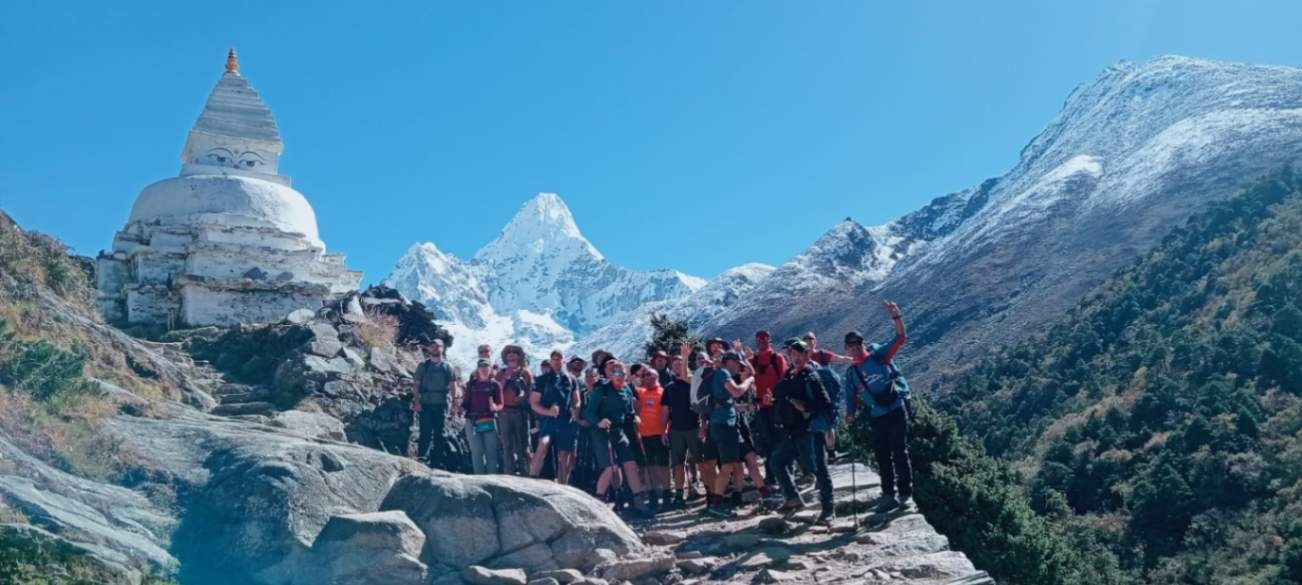
Proper packing can make your Everest Base Camp trek memorable. But if you are carrying the wrong gear or forget to include the necessary items in the list, then this trip can become a stressful and tough experience. Knowing the common mistakes in packing is an important part of your experience. Some common mistakes in packing are mentioned below:
- Overpacking: While packing your gear, you may include too many items, which can result in overpacking. Doing so is strictly discouraged as it can lead to an exhausted and uncomfortable trek.
- Bringing New or Untested Gear: Most trekkers tend to use new equipment that has not been tried or tested prior before begin on the trekking adventure activities. This exposes them to possible malfunctions, discomfort, or difficulties while trekking.
- Forgetting Sun Protection: Many trekkers forget to pack small accessories while preparing to carry the gear. Forgetting sun-related gear can cause sunburn, damage to the eyes, or heat-related ailments.
- Ignoring Water Treatment: On the trail to Everest Base Camp (EBC), you may find bad or contaminated water. Forgetting the water treatment option, such as a water purification tablet, can lead to waterborne illnesses like diarrhoea, giardiasis, or other gastrointestinal infections.
- Not Waterproofing Gear: Weather conditions at the EBC keep fluctuating and are unpredictable. Taking such gear for the trek can result in the equipment and clothes getting drenched due to water, and the risk of hypothermia will be increased. It also causes discomfort and damage to necessary equipment such as electronics and the sleeping bag.
Conclusion
Packing effectively for the Everest Base Camp trek plays a vital role in your adventurous journey. Selecting the appropriate gear (trekking pants, hiking boots, woollen shirts and sunscreen) can ensure your comfort, safety, and energy at high altitudes. At the same time, it also protects you from the cold, wind, and sudden weather changes. Avoiding the unnecessary items like books, shampoo and laptops can further reduce the burden of overpacking and help to maintain energy throughout the trek. Moreover, it can also minimize the difficulties and maximize the discomfort caused by carrying heavy loads.
In this blog, we provided information about the altitude of the EBC, the temperatures, the importance of appropriate gear, Everest Base Camp trek packing list and what you should avoid. For further information regarding Everest Base Camp, feel free to check out some other blogs. Additionally, if you are interested in trekking in the Himalayan region (EBC), contact Destiny Excursion – one of the best trekking company in Nepal.
Planning your trip? View our full Everest Base Camp Trek with Destiny Excursion for itinerary, pricing, and inclusions.
Recommended Packages For Everest Region:
FAQ on Everest Base Camp Trek Packing List
1. What should be included in the Everest Base Camp trek packing list for males and females?
There are several essential gears on the Everest Base Camp trek packing list for males. Some of them include:
- Insulated down jacket
- Balaclava/buff for face protection
- Insulated trekking boots
- Trekking Poles
- altitude sickness medicines
- Waterproof and windproof trekking pants
For the Everest Base Camp trek packing list for females, there are some specific gear items that should be included. Some of them are as follows:
- Legging
- Pads or sanitary napkins
- Tampons
- Panty liners
- Menstrual cups
- Period underwear
2. Can I carry all my gear myself, or should I hire a porter?
Trekking to Everest Base Camp is challenging and exhausting, so it is better to hire a porter who can carry your belongings. It not only makes you feel comfortable, it also reduces fatigue.
3. Is it necessary to bring a sleeping bag if teahouses provide blankets?
Yes, you should bring an extra sleeping bag, even though the teahouses provide a blanket. At EBC, the temperature is very low, and a blanket alone cannot keep you warm. Therefore, it is necessary to bring an extra sleeping bag to ensure warmth, hygiene, and a comfortable sleep.
4. Do I need special clothing for high altitude?
Yes, you need the special clothing for the Everest Base Camp trek. Special clothing should be able to protect you from the cold, wind, and variable weather conditions. Additionally, it is also important that the clothing is lightweight, breathable and able to adapt to the changing temperature.