
 Author
|
Author
|
 June 20, 2025
|
June 20, 2025
|
 Share to

 Share to
The Annapurna circuit trekking offers you a thrilling experience of a scenic adventure over the diverse landscape of Nepal. From breathtaking views of snow-covered mountains to lush green forests and the rich culture of traditional villages, you can be inspired by the beauty of nature and people's lifestyles.
Being one of the iconic trekking circuits in the world, you can experience the perfect balance of beauty, culture, and physical challenges. Even if you are a beginner, this trek can give you an opportunity to experience a challenging journey and a refreshing experience. You reach challenging Thorong La Pass at an altitude of 5,416 m passing through villages, jungles, and challenging terrain.
In this blog, we give you every detail you may require before starting your Annapurna circuit trek. You may also get information regarding the permit requirement, cost information, trek difficulty and tips if you are a beginner.
The Annapurna Circuit is not just a trek; it’s an experience you feel through stunning landscapes and majestic mountains. This trek gives you a break from urban scenery, allowing you to take a step through the world’s deepest Kali Gandaki gorge into remote villages, hanging suspension bridges, and all the way up to the magnificent Thorong La Pass.
From steadily flowing rivers and snow-covered grasslands to high mountain passes, every day gives you unforgettable challenges and experiences. Whether you're a beginner or an experienced trekker, expect the combination of excitement and challenges that the Annapurna circuit gives in the trek.
Located in the Annapurna Region of Nepal, the Annapurna circuit trek gives an iconic view of the Annapurna range, Gangapurna, Tilicho peak, Manaslu, and Dhaulagiri range. The distance of trekking varies according to your trekking route, ranging from 160 km to 230km, taking 12 to 17 days. You start the trek from Jagat, a beautiful village settled at an altitude of 1,300 m along the Marsyangdi River.
Passing diverse terrain and small villages, you then ascend to Thorung La Pass, one of the highest passes in the world at 5,416m. While the altitude gain is gradual, you may require proper acclimatization and preparation as the high elevation can be challenging.
Beginning the trek from Jagat village, you can experience a steady transition from lush green hills to snowy landscapes. The route goes through villages, gliding waterfalls, and steep river gorges, with a constant change of scenery that makes each day exciting.
Highlights along the way to the Annapurna circuit trek:
Blending Buddhist and Hindu influences, the Annapurna Circuit is culturally rich. Vibrant Tibetan Buddhist monasteries, temples, stupas, and prayer flags dominate the countryside, reflecting the spiritual significance of the area. Along the trail, you pass through villages belonging to different ethnic groups like the Gurung, Magar, and Thakali, each with their traditions, dress, and cuisine.
The trek provides a glimpse into everyday life in high-altitude cultures, with ancient traditions blending with beautiful landscapes. Cultural values put the Annapurna Circuit above simple physical travel but also toward rich exploration of ancient traditions and spirituality.
Before starting the Annapurna Circuit trek, you need to be aware of the permits and charges. These permits maintain the natural environment and benefit the local community while providing safety to you during the trek. Whether you are trekking solo or in a group, permits are mandatory. Below are the details regarding the permit requirements, including its cost, place to obtain, the purpose of the permit, and its validity.
Annapurna Conservation Area Project (ACAP) Permit:
The Annapurna Conservation Area Project (ACAP) permit can be obtained from the Tourism Board of Nepal and at the Trekking Agencies Association of Nepal in Pokhara. The detail of the ACAP permit is given below:
Trekkers’ Information Management System (TIMS) Permit:
The Trekkers Information Management System (TIMS) permit is also a mandatory permit for the Annapurna circuit trek. This permit can be acquired from the Trekking Agencies Association of Nepal's office in Kathmandu. Also, you can obtain this permit from other registered trekking agencies in Nepal. The detail of the TIMS permit is given below:
The Annapurna circuit trek is regarded as moderately challenging due to its location, weather, distance, routes, and path conditions. The fitness level of the trekkers and their physical condition also affect the trek's difficulty level. Even though technical climbing skills are not required for the Annapurna circuit, one’s mental preparation is essential as the trek tests one's strength and endurance.
Although the trail is well-established and facilitated by several local tea houses, its altitude, long walking hours, and climbing or descending can make it challenging. Also, the availability of services like food, accommodation, and medical facilities makes it easier, especially for beginners.
For beginners, the trek can be challenging but can be managed with good planning and a well-placed schedule. Regardless of challenges, the trek can be made comfortable with good fitness training and gradual acclimatization. With willpower, rest days, and a good attitude, Annapurna Circuit offers an unforgettable and accessible Himalayan experience.
The Annapurna Circuit Trek can be a memorable journey for beginners. With proper planning, the right gear, and some fitness preparation, one can experience the beauty of the Himalayas. If you are a beginner and looking to trek in the Annapurna circuit, here are some essential tips:
You can visit Annapurna Circuit Trek throughout the year. However, the best time can be during the autumn/fall and spring seasons. Although you can visit the circuit throughout the year, monsoons and winters are considered off-season due to harsh climatic situations. As weather plays an important role in overall trek experiences, difficulties, and challenges, trekkers such as yourself must plan trek accordingly. Below is the detail of the best time to visit the Annapurna Circuit trek during the year:
Before attempting the Annapurna circuit trek, it is very important to get physically and mentally prepared. As the trek difficulty is moderately challenging if you are a beginner and not in shape to match the trails demanding endurance, you can quickly become exhausted.
To avoid difficulties, it is essential to gain physical endurance by involving in exercises to cope with the changing scenario during the trek. Practice routine exercises before visiting the trek, focusing on strength training, cardio activities including jumping, running, or cycling, and practicing backpacking to simulate trek conditions.
Besides physical activities, it is also very important to be mentally prepared before going on the trek and during the trek. You must always be motivated and determined to face the changing circumstances of the trek.
As permits are mandatory to perform trekking activities in the Annapurna region, the early management of permits is always beneficial. Trekkers are required to obtain a TIMS Card and the ACAP Permit for entrance into the trekking circuit. These permits can be obtained from the Trekking Agencies Association of Nepal and through the Tourism Board of Nepal.
Although permits can be obtained at various locations in Pokhara and Kathmandu, it is recommended to secure a permit early to avoid delays since offices can get crowded during the peak seasons. Getting a permit early can be beneficial as you can spend the remaining time on preparation for the trek.
Furthermore, while traveling to the trekking region, permits are also inspected by the officials at multiple checkpoints. Not having them can lead to fines and denial of access in the region.
Packing wisely is equally important as being physically and mentally prepared for the trek. Trekkers must pack essential gears and items for successful and comfortable Annapurna Circuit Trek. Having the right gear and items can ensure your comfort and safety throughout the trek. Below is the list of must-have essentials for the Annapurna circuit trek:
Clothing and footwear:
Gear & Equipment:
Accessories:
Documents & Extras:
In addition, avoid overpacking unnecessary items as it increases the load and can hamper your endurance.
Choosing the right trekking agency can make a huge difference to your Annapurna Circuit trip experience and among the agencies, Destiny Excursion is one of the best. With local guides who are familiar with the terrain, weather, and culture, Destiny Excursion always offers proper guidelines to enhance your trekking experience from the beginning.
Whether you are a beginner or an experienced trekker, Destiny Excursion offers itineraries according to your requirements and interests. From acquiring all required permits to reserving food and accommodation in rural villages, you get everything managed. Their commitment to safety, sustainability, and cultural sensitivity makes your trek not only memorable but also responsible.
With hundreds of satisfied trekkers and glowing testimonials, The Destiny Excursion is your trusted partner for a successful and hassle-free Annapurna Circuit adventure. Contact Destiny Excursion if you are planning for Annapurna Circuit Trek or trekking in various regions of Nepal.
Yes, you may need a sleeping bag during trekking in the Annapurna circuit. Although local hotels and rest areas provide basic bedding, a quality sleeping bag ensures warm and comfortable sleep during winter.
Since the Annapurna Circuit is regarded as a moderately challenging trek, you must be physically and mentally fit. As the trek involves long days of walking, gaining altitude, and uneven terrain, it's recommended to prepare 4–6 weeks prior to the trek. Regular hiking, cardio, and strength training enhances endurance and make the trek easier for beginners as well.
The easiest trek around the Annapurna area might be the Ghorepani Poon Hill Trek. It is the easiest of the treks in the Annapurna area, offering mountain views, forest, and cultural blend at lower altitudes and shorter day hikes than the Annapurna Circuit.
Thorong La Pass, at 5,416 meters, is the toughest part of the Annapurna circuit. Its challenging height, temperature, and steep ascent make the segment hard. Proper acclimatization, good physical condition, and an early morning start can make the segment comfortable.
Destiny Excursion offers a 17-day Annapurna Circuit trek package in Nepal that leads you to the majestic Annapurna Himalayan Range from east to west. The trek package begins from arrival in Kathmandu to departure from Kathmandu. The 17 days cover 12 days of the actual trek on the Annapurna Circuit.
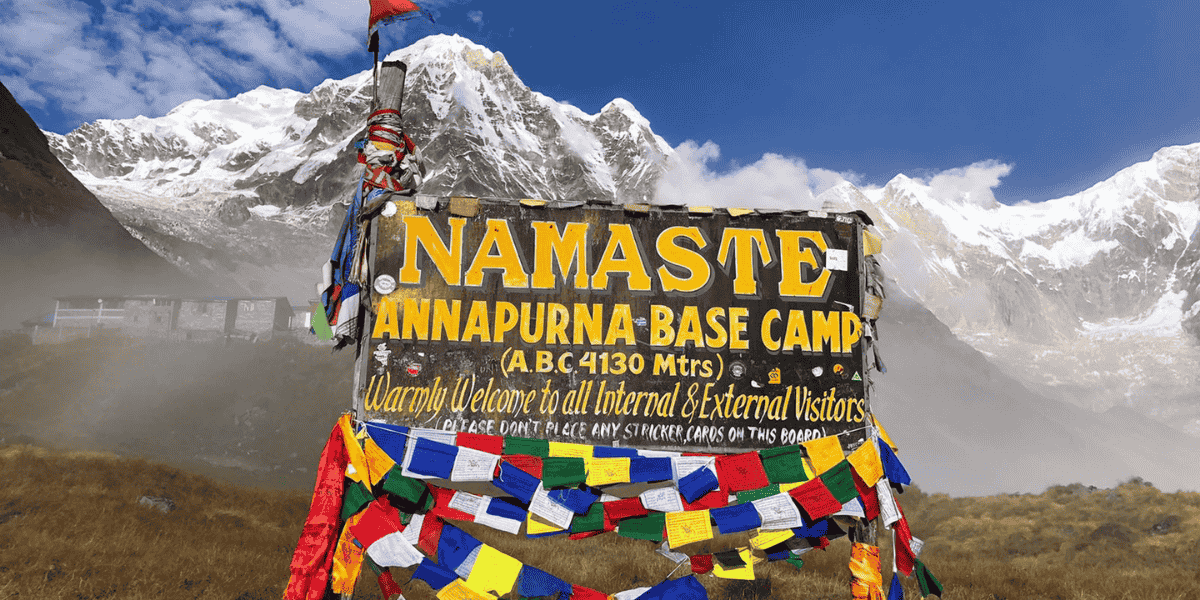
In this blog, we provide information regarding what a trekking permit is and why it matters, which permits are required for the Annapurna circuit trek, its costs, processes and documents. Along with this, we also give some insights about where you can get
Read More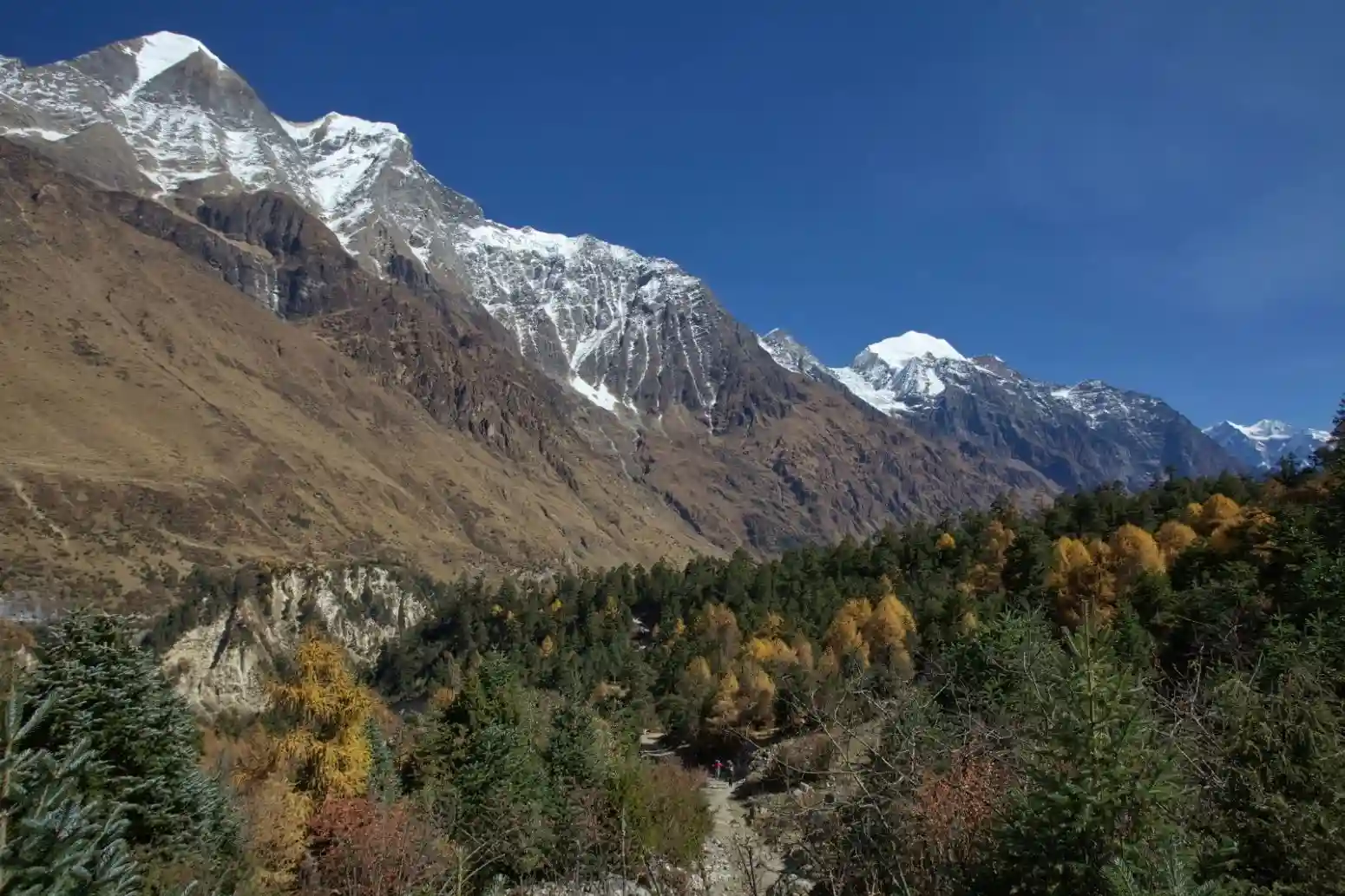
A clear beginner’s guide to the Manaslu Circuit trek: explains the difficulty, Larkya La pass, altitude sickness, best time to go, packing list and practical tips for a safer trek.
Read More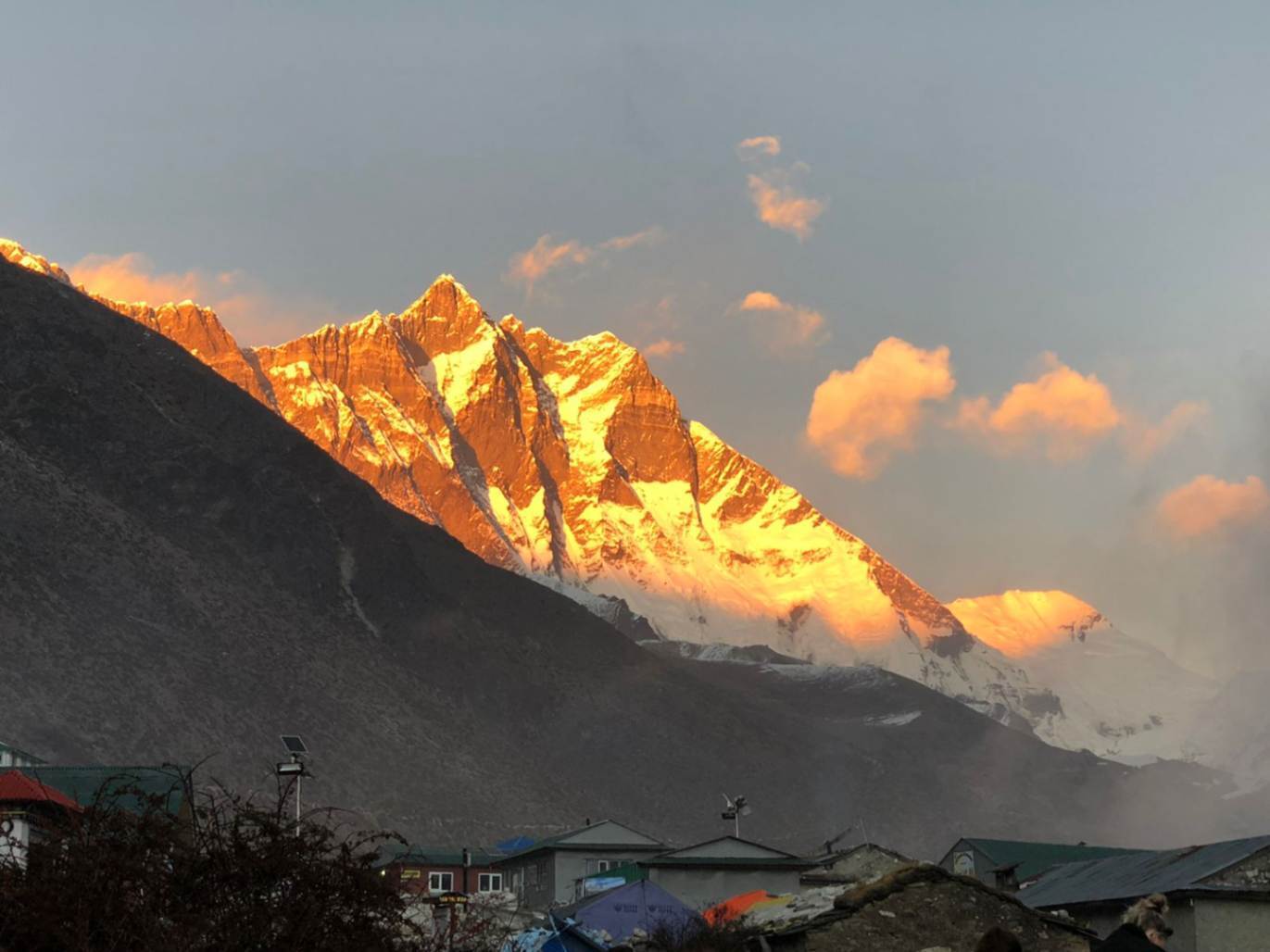
In this blog, we are covering every aspect of what you should know about the Everest Base Camp Trek packing list, such as the altitude of the EBC, the temperatures, why it is important, packing list and what you should avoid.
Read More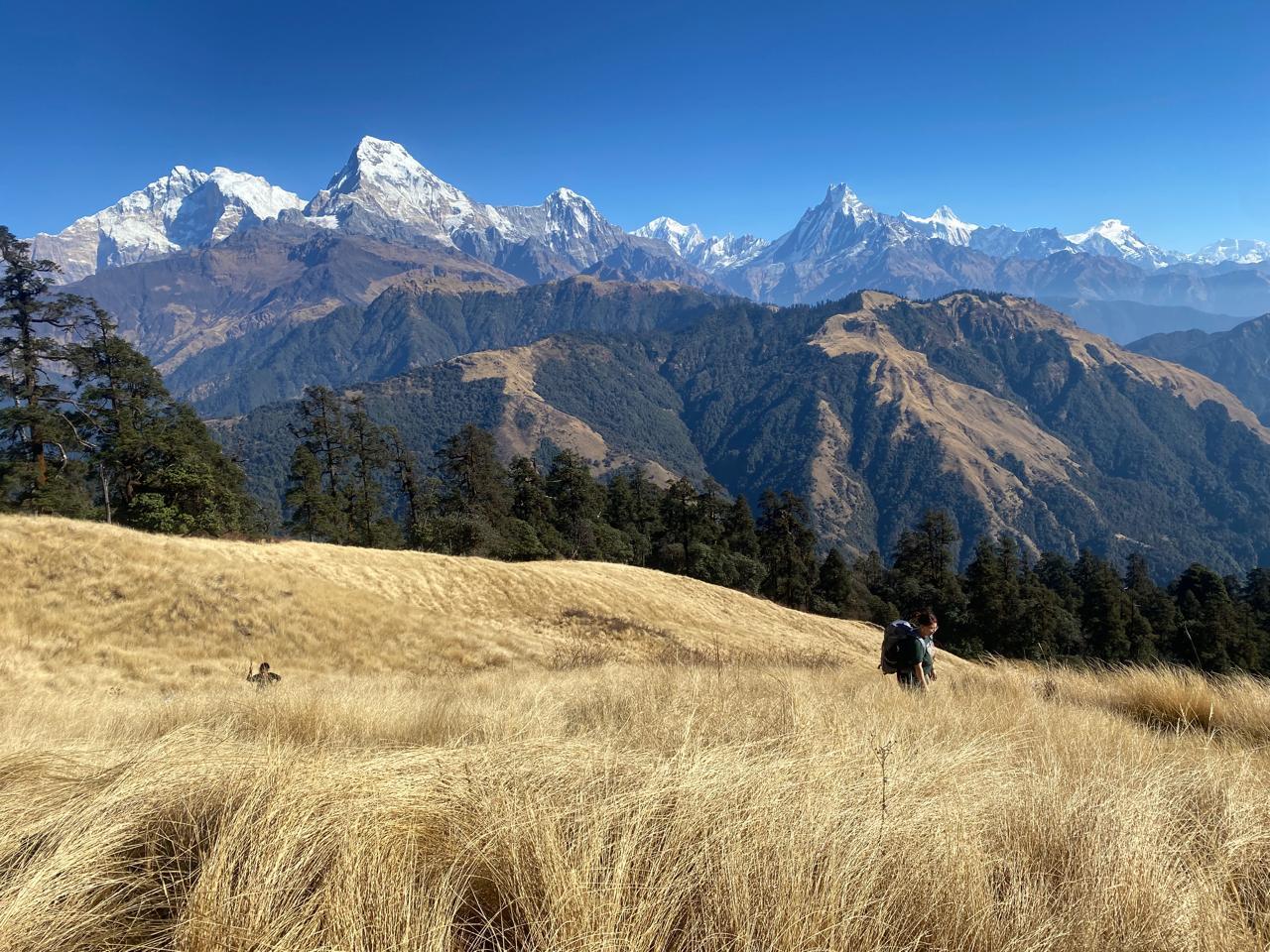
In this blog, you will know about each season in simple terms to help you decide the best season for trekking in Nepal based on your travel style and expectations.
Read More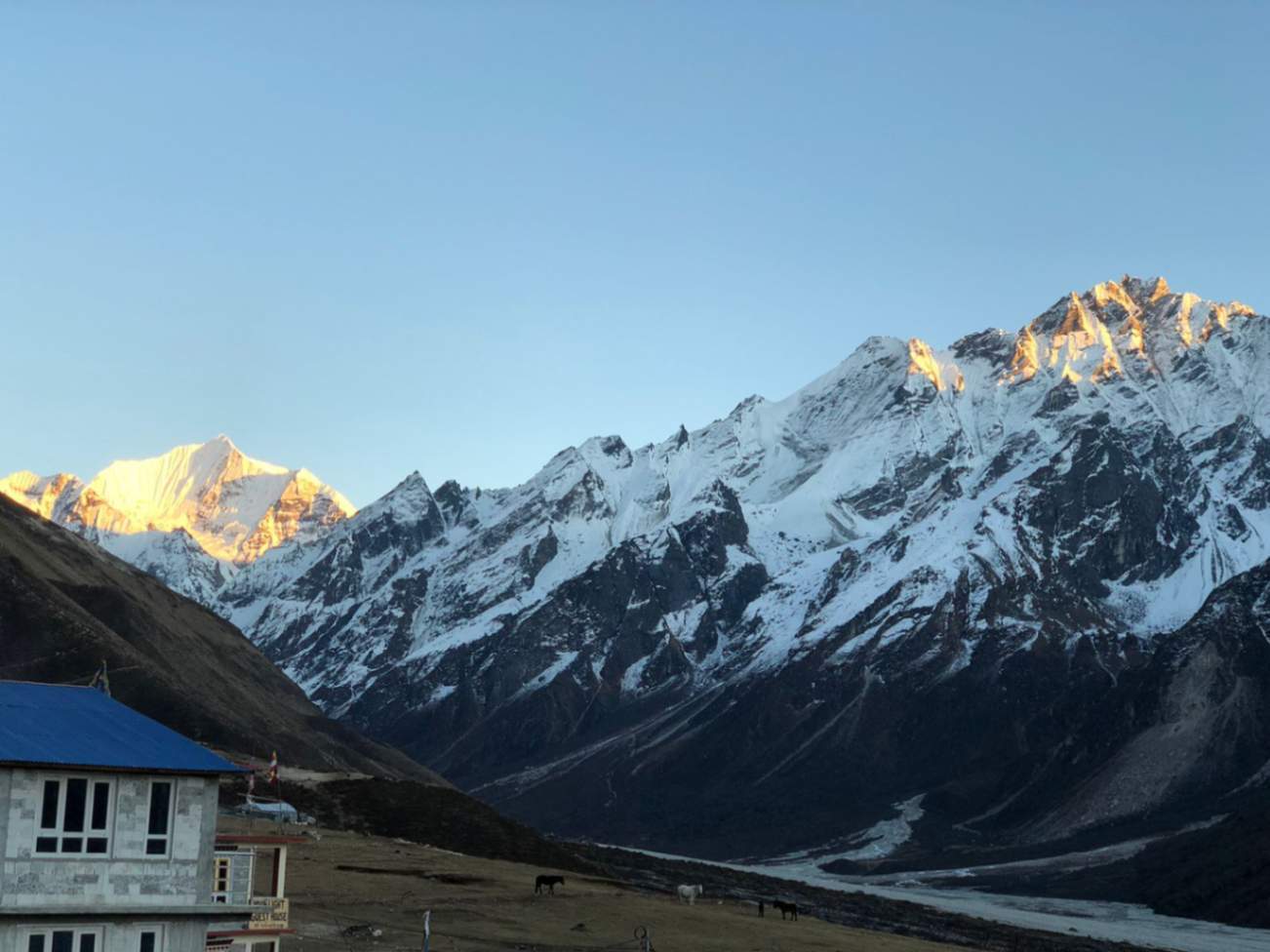
In this blog, we will assist you in selecting the most appropriate trek in Nepal when you are a beginner. You will also get to know when is the best time to have a trek, the basic fitness needs, simple packing tips, and the common pitfalls to avoid so tha
Read More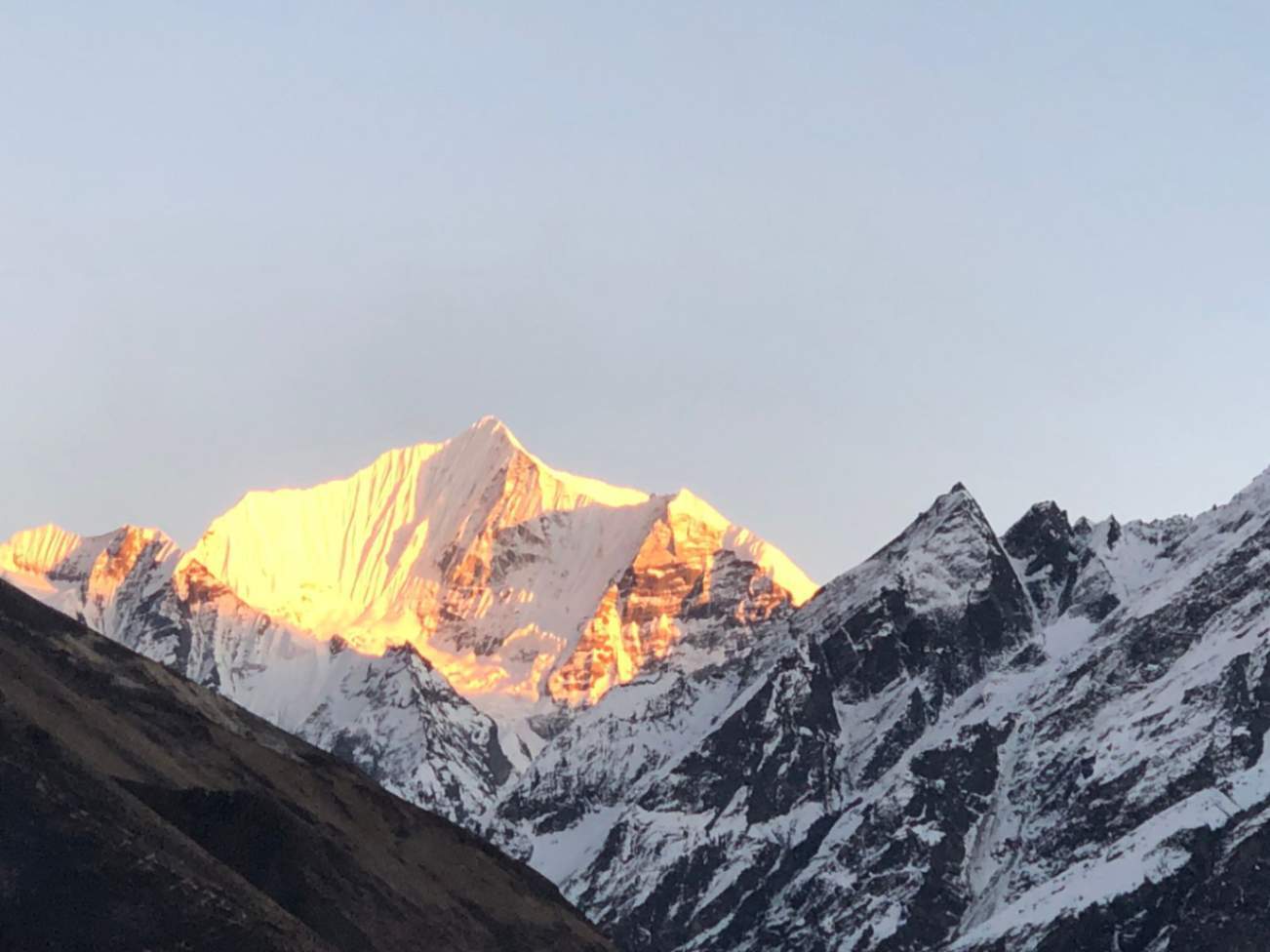
The Kyanjin Gompa trek in Langtang Valley is one of Nepal's most scenic and rewarding journeys, which offers you a blend of natural beauty, culture, and adventure.
Read More
we shall discuss Everest Base Camp Elevation and trekking tips to help you understand this trek better while providing some helpful tips to guide you through the process.
Read More
we reveal the most interesting and important Everest Base Camp facts from the unusual culture of the Sherpa people and ancient monasteries on the trail to the physical challenges, altitude realities, and natural wonders you’ll experience.
Read More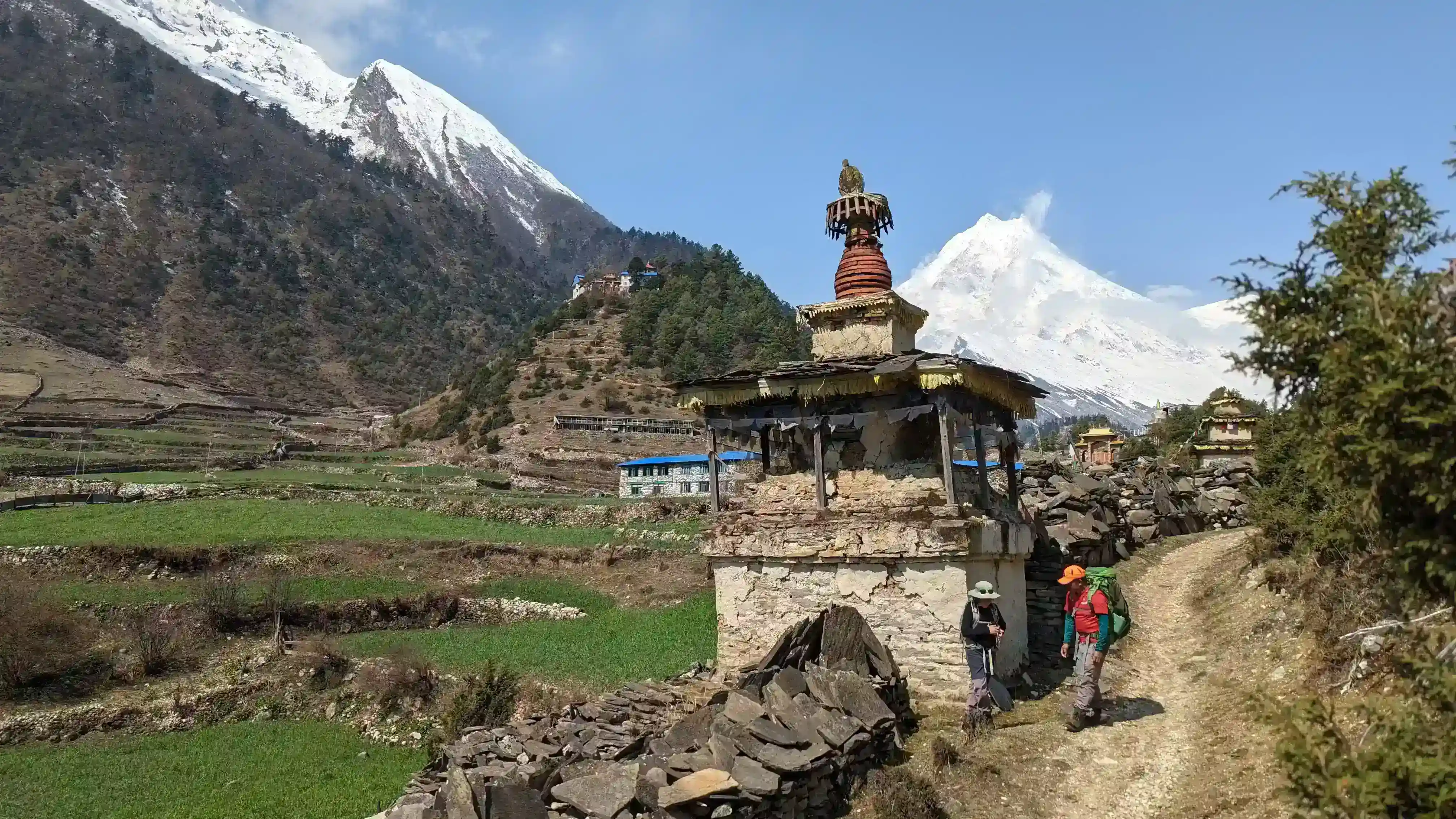
we provide you with a guide for Manaslu Circuit Trek including aspects such as top attractions, best seasons, and its difficulty.
Read More
we have provided information regarding choosing the Tsum Valley trek, the best time to visit there, the difficulties and the cost.
Read More