
 Author
|
Author
|
 June 18, 2025
|
June 18, 2025
|
 Share to

 Share to
The Everest Base Camp trek is more than just a bucket-list adventure, it is an expedition into one of the most terrific and legendary landscapes of the Earth. Thousands of trekkers try to put on their boots and stand at the base of the world’s tallest peak each year. But apart from its worldwide fame, the EBC trek is full of interesting facts, secret spots, and unexpected details that many travelers overlook.
In this guide, we reveal the most interesting and important Everest Base Camp facts from the unusual culture of the Sherpa people and ancient monasteries on the trail to the physical challenges, altitude realities, and natural wonders you will experience. Whether you are planning the trek or simply curious about the reason why this is such a special adventure, these insights will add a deeper understanding of this unforgettable Himalayan adventure.

The Everest Base Camp trek is not only a trip to the foot of the planet’s highest peak. It’s a journey into breathtaking landscapes, a culture of rich heritage, and spectacular natural beauty. As you hike through the Khumbu region, you’ll see more than just great mountains, but colorful Sherpa villages, ancient monasteries, and even some unique wildlife.
There are many interesting details and interesting facts along the way, which most trekkers do not know, from surrounding peaks to two base camps, unique challenges of altitude, and dramatic Himalayan weather. Below are some important insights to help you understand and appreciate the Everest region better before you embark on your adventure.
Even though the star attraction, of course, is Mount Everest, which is an incredible 8,848.86 meters (29,031.7 feet) high, Everest Base Camp also provides breathtaking views of several neighboring giants. Peaks such as Lhotse (fourth-highest mountain in the world), Nuptse, Pumori, and the picture-perfect Ama Dablam create a dramatic backdrop that surrounds trekkers the whole way.
Interestingly, the height of Everest Base Camp itself is about 5,364 meters (17,598 feet) – an incredible height that is greater than many of the standalone summits of mountains across the world! Base camp alone puts you at a point that fewer people on earth ever achieve without even having to reach the top of Everest.
Did you know that there are two base camps for Everest? The South Base Camp is in Nepal, and it is the starting point for the popular trekking route from Lukla, attracting thousands of trekkers annually who take the scenic trail through the Khumbu region.
Across the mountain, the North Base Camp is located in Tibet.
Although less popular with trekkers, it provides a dramatic overland journey that enables travelers to come to Everest from a totally different yet equally stunning perspective. Every base camp has its own landscapes, challenges, and cultural experiences.
The Everest Base Camp trek opens into the Sagarmatha National Park, a UNESCO World Heritage area and a haven of stunning alpine landscape, ice, and glacier valleys sculpted into the terrain. The park is as much a domain of the mighty snow-capped summits as it is a haven of incredible vegetation and wildlife.
Within the park, you will see rare and interesting wildlife such as snow leopards, Himalayan tahr or wild mountain goats, musk deer, and even the elusive red panda. The park also contains more than 200 species of birds and is a wildlife and nature lover's paradise. Trekking here means you’re walking through one of the most extraordinary natural reserves in the world, where the fun of mountaineering coincides with the beauty of pristine Himalayan ecosystems.
The Sherpas are not only mountain guides; they are the soul and heart of the Himalayas. Famous for their amazing strength, endurance, and strong affinity to the mountains, Sherpas are the backbone of every Everest Base Camp trek. Their special knowledge of their culture and mountaineering skills have made them indispensable to the success of climbers and trekkers alike.
As you travel through the region, you will pass through Sherpa villages such as Namche Bazaar, Khumjung, and Dingboche, all of which will give you a glimpse of their way of life. Here, you will feel the legendary Sherpa hospitality, their rich traditional culture, and the spiritual bond they have with the mountains.
The Tengboche Monastery, which is the largest Buddhist monastery in the Khumbu region and an important spiritual landmark of the Everest Base Camp trek, is situated at an altitude of 3,867 meters. The monastery is not only a place of worship but also a sign of the Sherpa people’s profound spiritual attachment to the mountains.
A lot of trekkers schedule their visit to coincide with the Mani Rimdu Festival, a lively festival replete with colorful prayers, traditional masked dances, and blessings. This festival animates the spiritual aspect of the Himalayas, presenting trekkers with a special opportunity to get to know the rich cultural and religious traditions of the region.
If you go to Gorak Shep, you can send a postcard from the world’s highest post office, 5,164 meters above sea level. This keepsake tells friends and family that you are having a great time on the extreme adventure of being in one of the world’s most isolated places. For some warmth on the trail, go to the top bakery close to Everest Base Camp and have hot cake, cookies, and bread at the bottom of snow-white mountains.
These scarce locations provide a feel of comfort amidst the sparsity of the trek, where basic joys are huge delights that hide in the Himalayas.
Lukla Airport, which has been renamed Tenzing-Hillary Airport, is the gateway for those going to the Everest base camp. Famous for its dangerous environment, first-time visitors experience stepping onto this airport as an adrenaline rush and nerve-wracking.
The runway is only a couple of dozen meters wide and sloped downwards, and it is located just above huge cliffs, with majestic peaks looming all around. Moreover, extreme fluctuations in the weather make each landing and take-off a more difficult undertaking.
The dramatic arrival at Lukla airport sets the tone for the entire trek and becomes an unforgettable experience for most climbers.
The trekkers on the Everest Base Camp route are likely to face extreme weather changes in a few hours. Even in the best trekking seasons, what appears to be peaceful skies in the morning may turn into icy snow, blustery winds, or heavy downpours in a few hours. It is also important to make sure that you have the right equipment for the trek, such as waterproof tops, insulated clothing, and strong boots.
A flexible mindset is also important, such as changes in the plan, unexpected natural phenomena, and unpredictable days are all factors that make the Himalayan trekking unique. It is important to have both mental fortitude and physical preparedness to enjoy a secure and pleasant trek in the ever-changing environment of the Himalayas.
Since you’ll be trekking at a high altitude of 5,364 meters (17,598 feet), you must allow your body to acclimatize. Less oxygen at such a high altitude means your body has to gradually adapt to the thinner air over several days.
Altitude sickness can be experienced by anyone, young or old, fit or unfit, inexperienced or seasoned hiker. Since your body hasn’t had time to adjust, rapid ascents can cause classic symptoms such as headaches, dizziness, and nausea. Such pauses are good for allowing your body to rest and adjust, which leads to a safer and more pleasant climb.
The best times to reach Everest Base Camp are pre-monsoon (March to May) and post-monsoon (September to November). The weather is predictable, the skies are clear most of the time, and temperature levels are pleasant to walk around in during such periods. The trails are usually clear and safe, enabling hikers to enjoy wonderful views of the mountains and an easier hike. The trekking conditions are dire during the winter, from December to February – icy cold and snowfall, with passes sometimes closed and the hike more physically demanding.
The trekking environment is challenging and treacherous due to heavy rainfall, wet and muddy paths, and limited visibility during the monsoon season (June to August) of the summer months.
While reaching Everest Base Camp is a huge achievement, the adventure doesn’t have to stop there. The surrounding region offers several incredible side trips and extensions that take you deeper into the heart of the Himalayas. From breathtaking viewpoints and serene glacial lakes to cultural landmarks and mountaineering challenges, these add-ons can make your trek even more unforgettable.
By climbing to Kala Patthar, the most direct but the steepest, trekkers get the best views of Mount Everest. Although Everest Base Camp itself provides a feeling of standing at the bottom of the tallest mountain in the world, the surrounding peaks partially hide the view of Everest. At Kala Patthar, visitors are treated to unobstructed sweeping views of Everest’s magnificent peak as well as spectacular views of Lhotse, Nuptse, and the Khumbu Glacier.
One of the most popular options for many trekkers is to make the ascent during sunrise or sunset when the sunlight covers the mountains in a rich palette of gold and pink and presents one of the most striking experiences on the EBC trek.
One of the most beautiful and rewarding routes for those going off the beaten track is to explore Gokyo Lakes through a side trail. These glittering turquoise glacial lakes are hidden in the jagged mountains of the Himalayas, surrounded by snow-capped summits, which submerge you in a peaceful and sacred setting that is undisturbed and stunningly tranquil.
Unlike the popular EBC trail, the Gokyo Valley route attracts fewer travelers, which makes the trek quieter and more alluring. Perfect for those seeking peace, a sense of nature, and a front-row view of the mountains, the Gokyo Valley trail is unrivaled.
Seeing the sunrise from the top of Gokyo Ri (5,357m) is an experience that really delivers views that cannot be compared. Climbing to Gokyo Ri offers you the sight of the world’s top four mountains: Everest, Lhotse, Makalu, and Cho Oyu. Seventeen trail has a summit with unmatched views of Everest, Lhotse, Makalu and Cho Oyu, which many people say is better than anything at Kala Patthar.
The neighboring villages of Khumjung and Khunde offer a deep dive into authentic Sherpa life beyond the main trekking trail. These villages, huddled at the base of Ama Dablam's grand mountain, offer the Khumbu region its most exciting cultural experiences. Khumjung is also the location of the Hillary School, a project founded by Sir Edmund Hillary to serve the Sherpa people after he conquered Everest.
Just a few miles from here, Khunde is where the Khunde Hospital is located, another project of the generosity of Hillary that is still in service to the needs of local people and trekkers. Visiting such villages allows one to see unique Sherpa constructions, meet friendly villagers, and understand how closely these people have always been connected with the mountains.
For those looking for a real mountaineering adventure, Island Peak or Imja Tse is a tempting option. Standing at 6,189 meters (20,305 feet), it rises vertically from the Chhukung Valley and is one of Nepal's most popular trekking peaks. While it is a grand height, Island Peak is considered an easy ascent for beginners with a good level of fitness and basic mountaineering skills.
It is often chosen by trekkers who want to transition from trekking to technical alpine climbing, offering first-hand experience with ropes, crampons, and ice axes.
Island Peak climbing is a treat for climbers with just great panoramic views of the Khumbu Himalayas, including Lhotse, Makalu, Baruntse, and Ama Dablam, making the climb not only physical but also aesthetic.

The right agency can be the make-or-break factor when planning for a trek to Everest Base Camp. Choosing Destiny Excursion guarantees that trekkers will have an extraordinary and smooth adventure. There are dependable local guides who know the Khumbu region well, and they accompany every step of your trek.
Destiny Excursion designs customized trekking programs so that every guest, whether a newcomer or veteran, receives an itinerary that suits him or her best. By managing permits, accommodation, and meal arrangements in outlying villages, Destiny Excursion guarantees that trekkers can focus on their trek.
While emphasizing safety, sustainability, and local cultural respect, Destiny Excursion provides an experience that combines adventure with environmental and cultural stewardship. Experience peace of mind with Destiny Excursion because their track record and happy clients will lead you to a rewarding journey to the area around Mount Everest.
Want to take the trip to Everest Base Camp? Destiny Excursion is the number one destination for those who are looking for a smooth and unforgettable trekking experience.
Everest Base Camp is famous as the departure for climbers who are attempting to climb the top of the world’s highest mountain. It also provides travelers with a perspective to stand under Everest and admire the awe-inspiring view of the Khumbu Icefall and the surrounding mountains.
The journey through Everest Base Camp entails a distance of approximately 130 km over 12 to 14 days, which also provides necessary acclimatization periods. The trek is always regarded as a challenging one, even though there is no technical climbing, because of its high altitude and arduous day-to-day routes.
Climbers do not require supplemental oxygen at base camp or the altitude of Everest Camp 3 (7,200 m) unless they want to go higher. However, acclimatization is very important for trekkers to avoid altitude sickness.
The settlement at EBC does not have permanent residents. In the climbing season, it becomes a seasonal region where climbing expeditions, the Sherpas, and trekkers establish their tents temporarily. Sherpa communities stay in lower settlements such as Namche and Dingboche.
Mountaineering skills are not required for EBC, but the journey is known to be physically quite strenuous. Appropriate preparation, physical preparedness and a guided route enable the beginners to succeed in the trek.
Surprisingly, no! The location of the base camp means that the entire Everest summit is hidden behind the neighboring mountains. Kala Patthar is the best place to see the most magnificent views.

Ghandruk is a very beautiful village in the Annapurna region of Nepal. This village is popular because of the Gurung culture and lifestyle along with their traditions and natural beauty.
Read More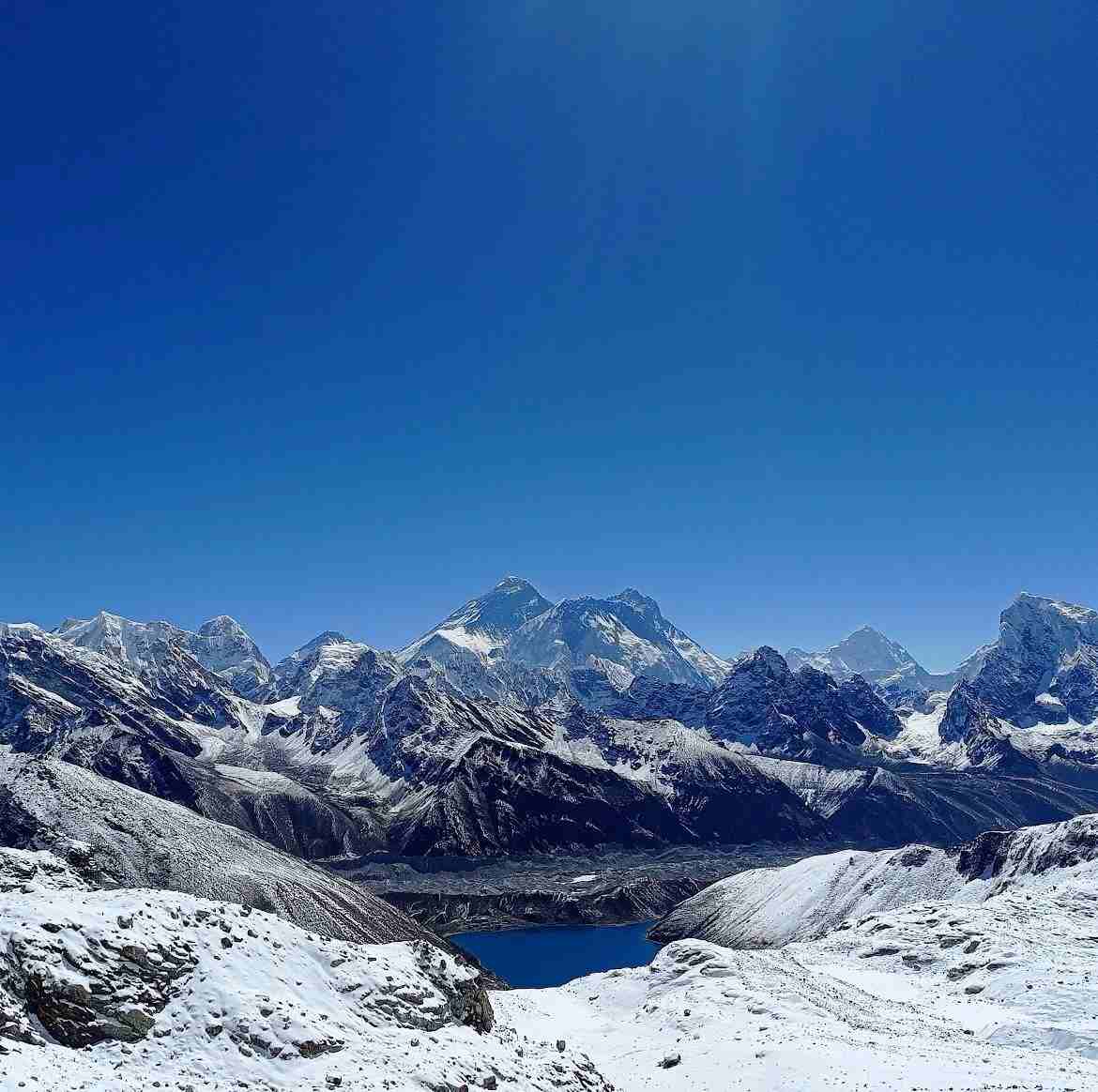
Gokyo Ri is a high viewpoint that stands at an altitude of 5,357 meters. This place is located on the Gokyo Lake trek route. Gokyo Ri viewpoint is famous for its stunning views of the majestic Himalayan peaks, including Mount Everest.
Read More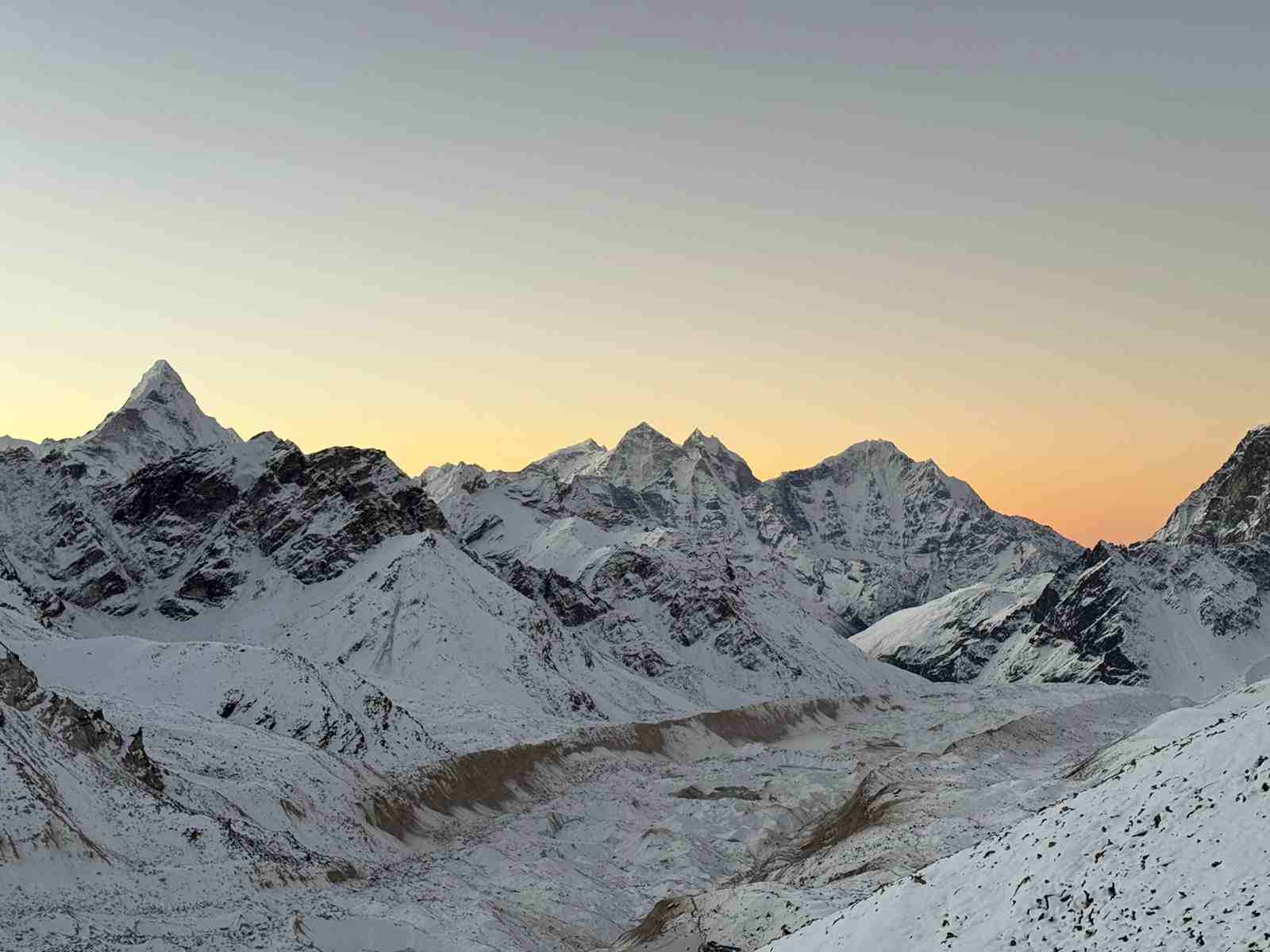
Mount Everest is the tallest mountain in the world, rising to 8,848 meters above sea level. For many people, it represents courage, adventure, and the dream of reaching the highest point on Earth.
Read More
Namche Bazaar is one of the most significant points on the Everest trekking trail. This mountain town is a stop for nearly every trekker who is heading towards Everest Base Camp.
Read More
Langtang Lirung (7,234 meters) is the highest peak in the Langtang Himalayan range of Nepal. The mountain stands on the northern side of the famous Langtang Valley and lies southwest of Mount Shishapangma in Tibet. It separates the Sun Koshi Valley to the
Read More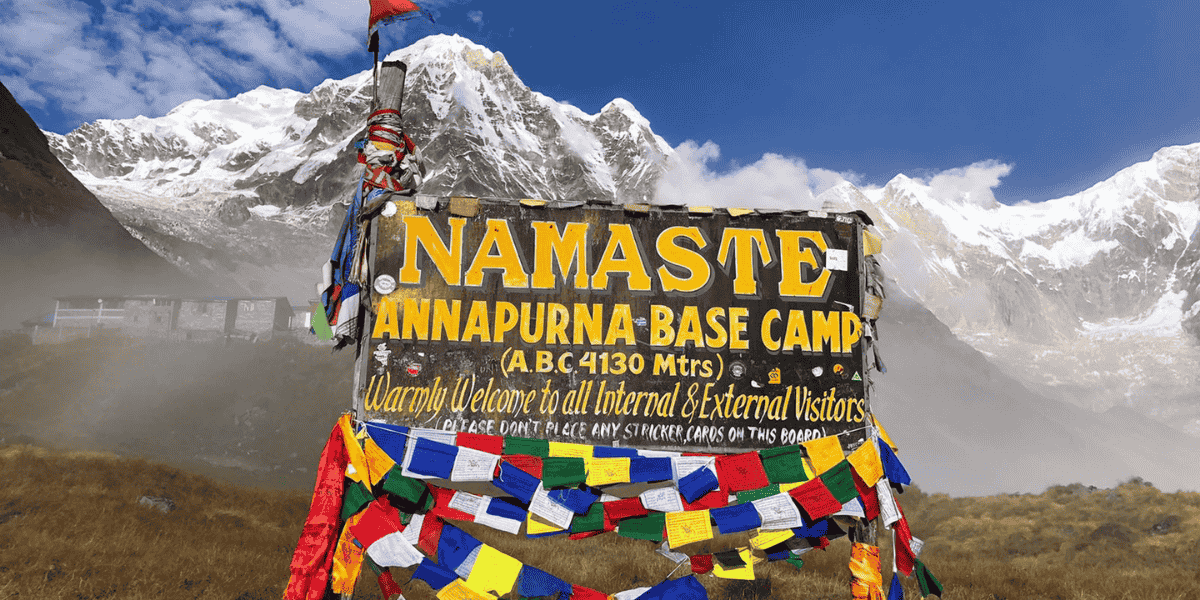
In this blog, we provide information regarding what a trekking permit is and why it matters, which permits are required for the Annapurna circuit trek, its costs, processes and documents. Along with this, we also give some insights about where you can get
Read More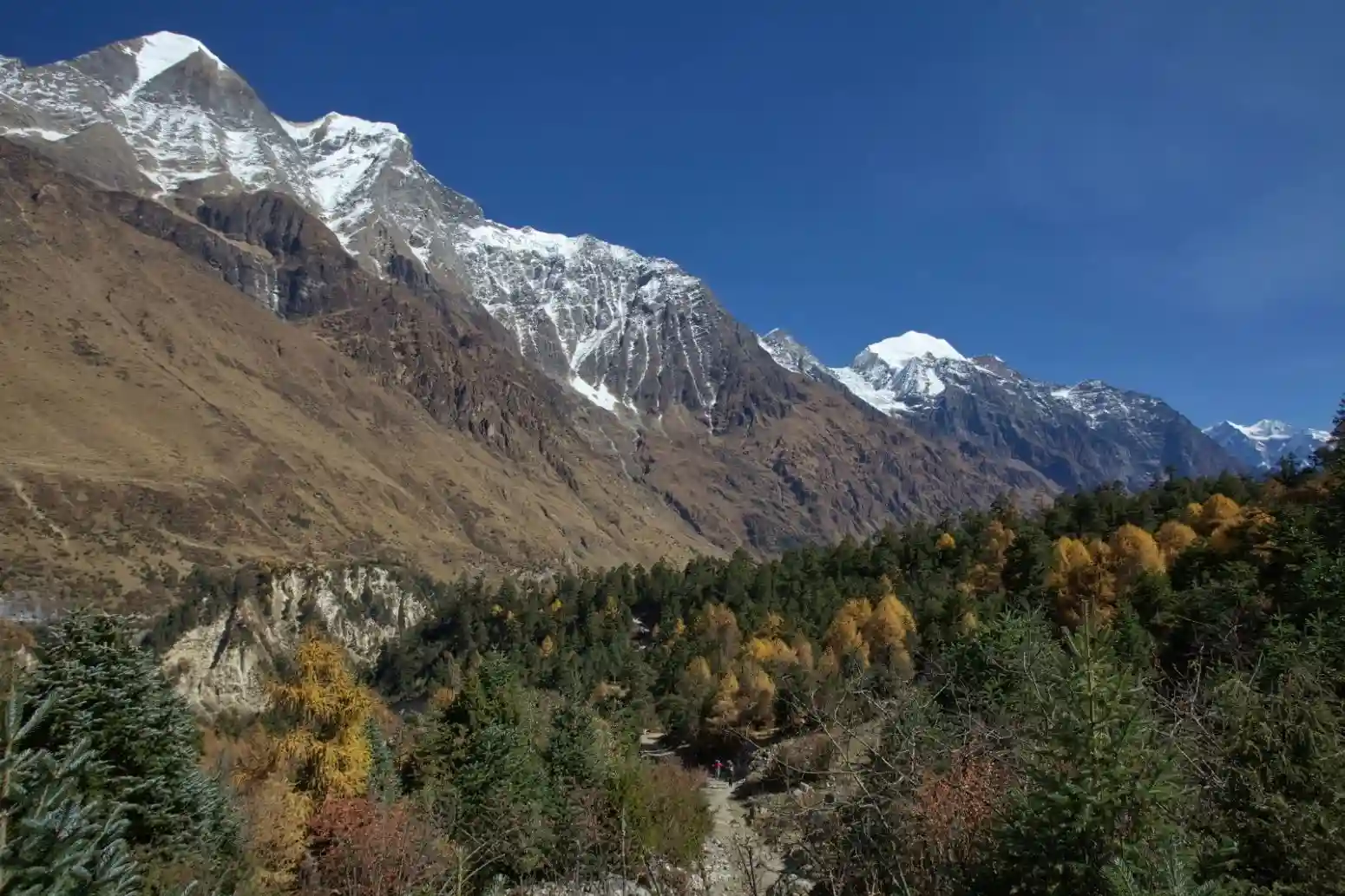
A clear beginner’s guide to the Manaslu Circuit trek: explains the difficulty, Larkya La pass, altitude sickness, best time to go, packing list and practical tips for a safer trek.
Read More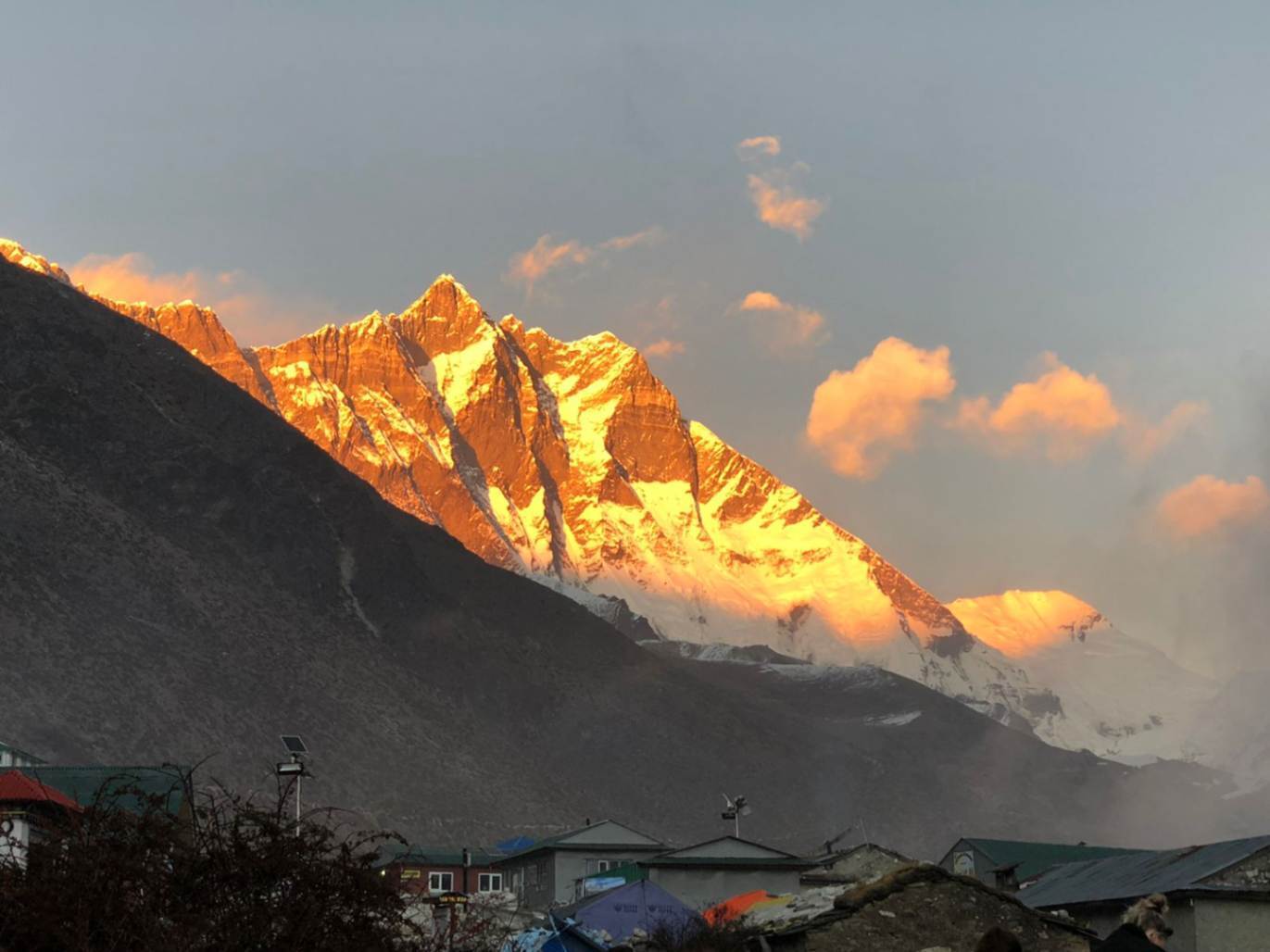
In this blog, we are covering every aspect of what you should know about the Everest Base Camp Trek packing list, such as the altitude of the EBC, the temperatures, why it is important, packing list and what you should avoid.
Read More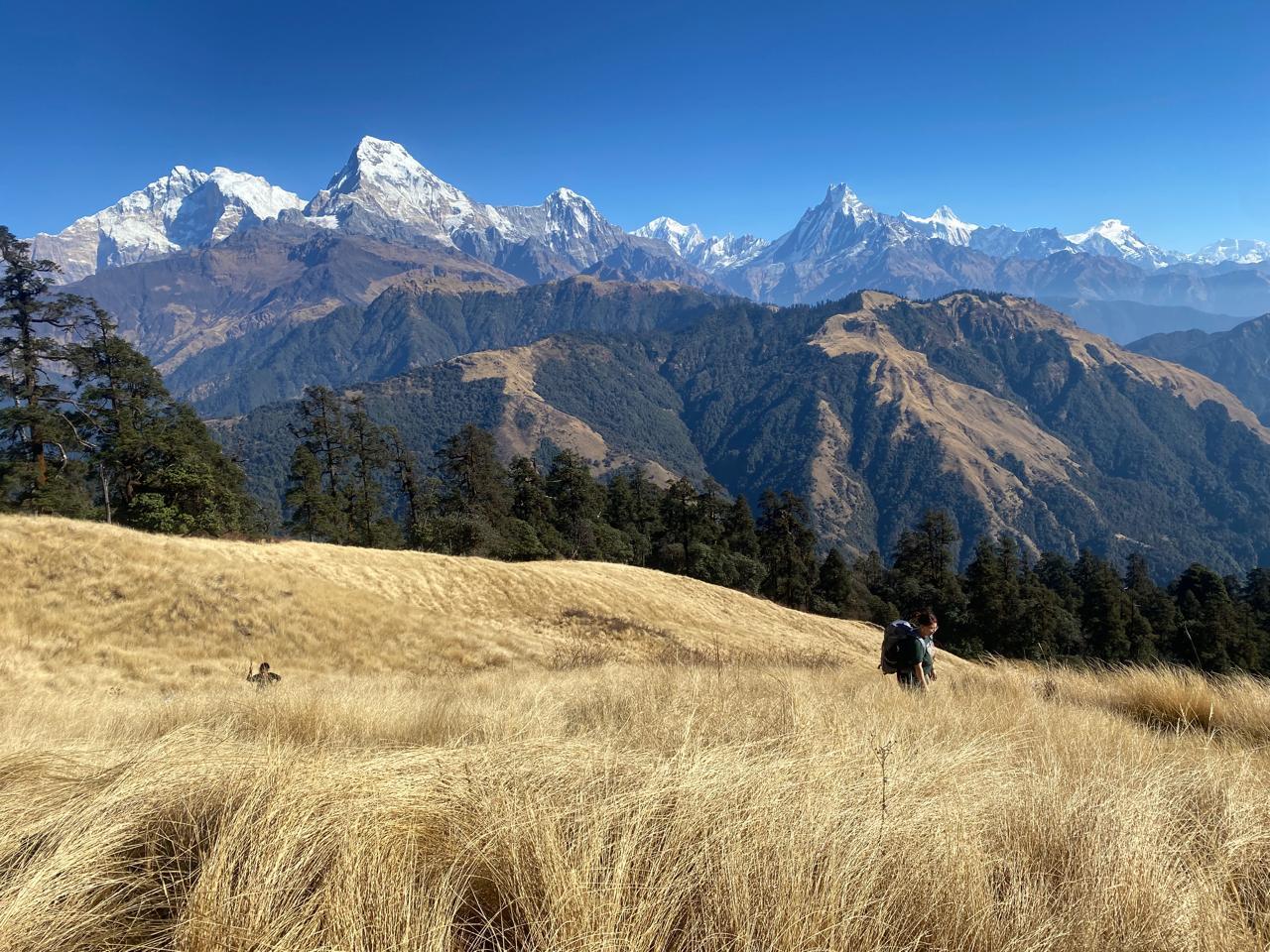
In this blog, you will know about each season in simple terms to help you decide the best season for trekking in Nepal based on your travel style and expectations.
Read More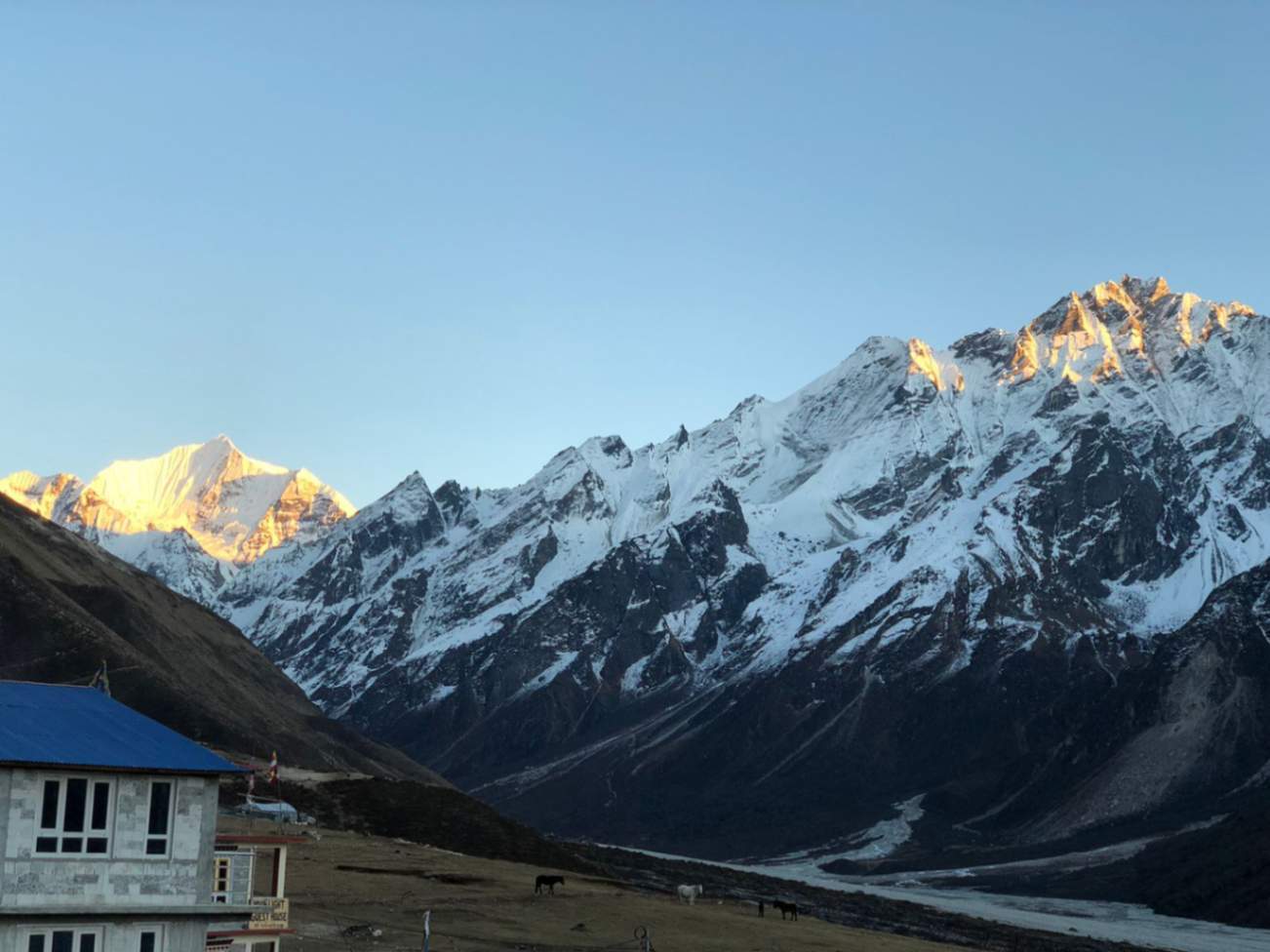
In this blog, we will assist you in selecting the most appropriate trek in Nepal when you are a beginner. You will also get to know when is the best time to have a trek, the basic fitness needs, simple packing tips, and the common pitfalls to avoid so tha
Read More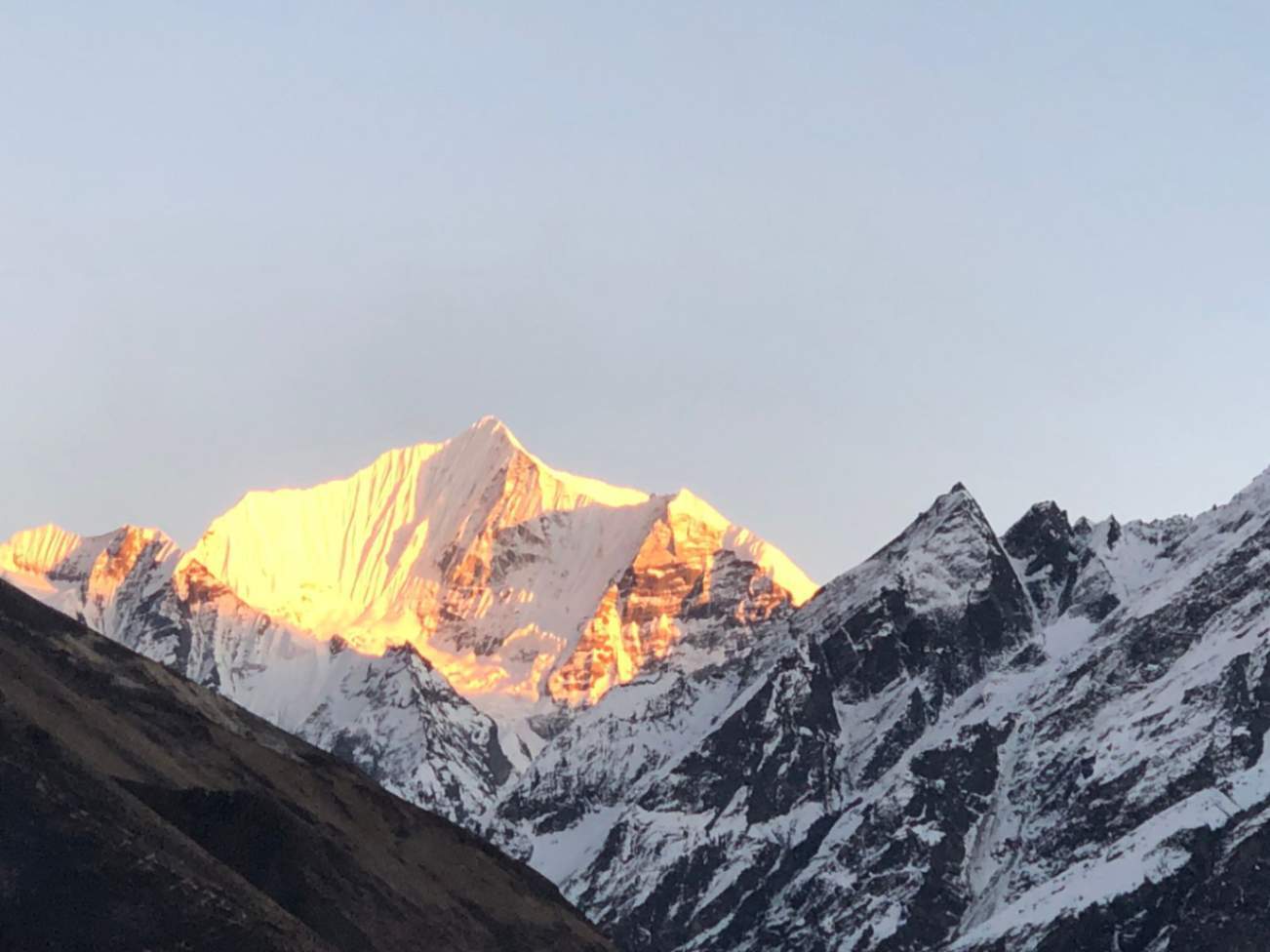
The Kyanjin Gompa trek in Langtang Valley is one of Nepal's most scenic and rewarding journeys, which offers you a blend of natural beauty, culture, and adventure.
Read More
we give you every detail you may require before starting your Annapurna circuit trek. You may also get information regarding the permit requirement, cost information, trek difficulty and tips if you are a beginner.
Read More
we shall discuss Everest Base Camp Elevation and trekking tips to help you understand this trek better while providing some helpful tips to guide you through the process.
Read More
we provide you with a guide for Manaslu Circuit Trek including aspects such as top attractions, best seasons, and its difficulty.
Read More
we have provided information regarding choosing the Tsum Valley trek, the best time to visit there, the difficulties and the cost.
Read More