 None
|
None
|
 Dec. 30, 2025
|
Dec. 30, 2025
|
 Share to

 Share to
"The best season for trekking in Nepal? It depends on the region.” In the Himalayas, the mountains decide the weather. Big peaks like Everest, Manaslu, Lhotse, and Annapurna often create their own conditions, which makes exact weather forecasts difficult. Still, Nepal has clear trekking seasons that help you choose the right time for your adventure. The good news is that trekking in Nepal is possible all year round. The best time really depends on what kind of experience you are looking for, clear mountain views, fewer crowds, warmer days, or quiet trails.
Nepal has four main seasons: Winter, Spring, Summer (Monsoon), and Autumn. Each season has its own feel, scenery, and challenges. Because of this, there is no single “best” time that suits everyone. Some trekkers love the clear skies of autumn, while others enjoy the peaceful trails and blooming flowers of spring. In this blog, you will know about each season in simple terms to help you decide the best season for trekking in Nepal based on your travel style and expectations.

Nepal has different weather conditions because of its varied landscape. The country is mainly divided into three climate regions: the Himalayan region, the hilly region, and the Terai region. Each area has its own type of weather. Nepal’s weather ranges from cold mountains to hot lowlands. You should plan carefully and be ready for changing conditions, especially when trekking or visiting different regions.
A. Himalayan Region: The Himalayan region is cold throughout the year. In winter, temperatures often fall below freezing, and heavy snowfall is common. Even in summer, the weather can feel cold because of the high altitude. These conditions can make trekking difficult during winter in the high mountains.
B. Hilly Region: The hilly region has a moderate climate. Summers are warm but not too hot, and winters are cool. During the monsoon season from June to September, this region receives regular rainfall. While rain can sometimes cause landslides, it also keeps the hills green and supports farming.
C. Terai Region: The Terai region in southern Nepal has a hot and tropical climate. Summers are very hot and humid, with temperatures often going above 40°C. Monsoon rains are heavy and can cause flooding. Winters are warmer than in the hills, but fog can affect travel.
Nepal experiences four distinct seasons, each bringing different weather, scenery, and travel experiences. Because the country stretches from low tropical plains to high Himalayan peaks, the seasons can feel very different from one region to another. These seasonal changes strongly affect trekking conditions, mountain views, and daily life.
Some seasons offer clear skies and busy trails, while others are quieter and more challenging. Understanding Nepal’s four seasons helps travelers choose the best time for trekking and exploration.
Spring is one of the most popular seasons for trekking in Nepal. During this time, temperatures are warmer, the weather is mostly stable, and hills and forests begin to bloom with colorful flowers. It is also the start of the Mount Everest climbing season, so places like Everest Base Camp feel lively, with many trekkers and climbers staying in teahouses and sharing stories along the trail. Daytime temperatures usually range between 16°C and 23°C, depending on altitude.
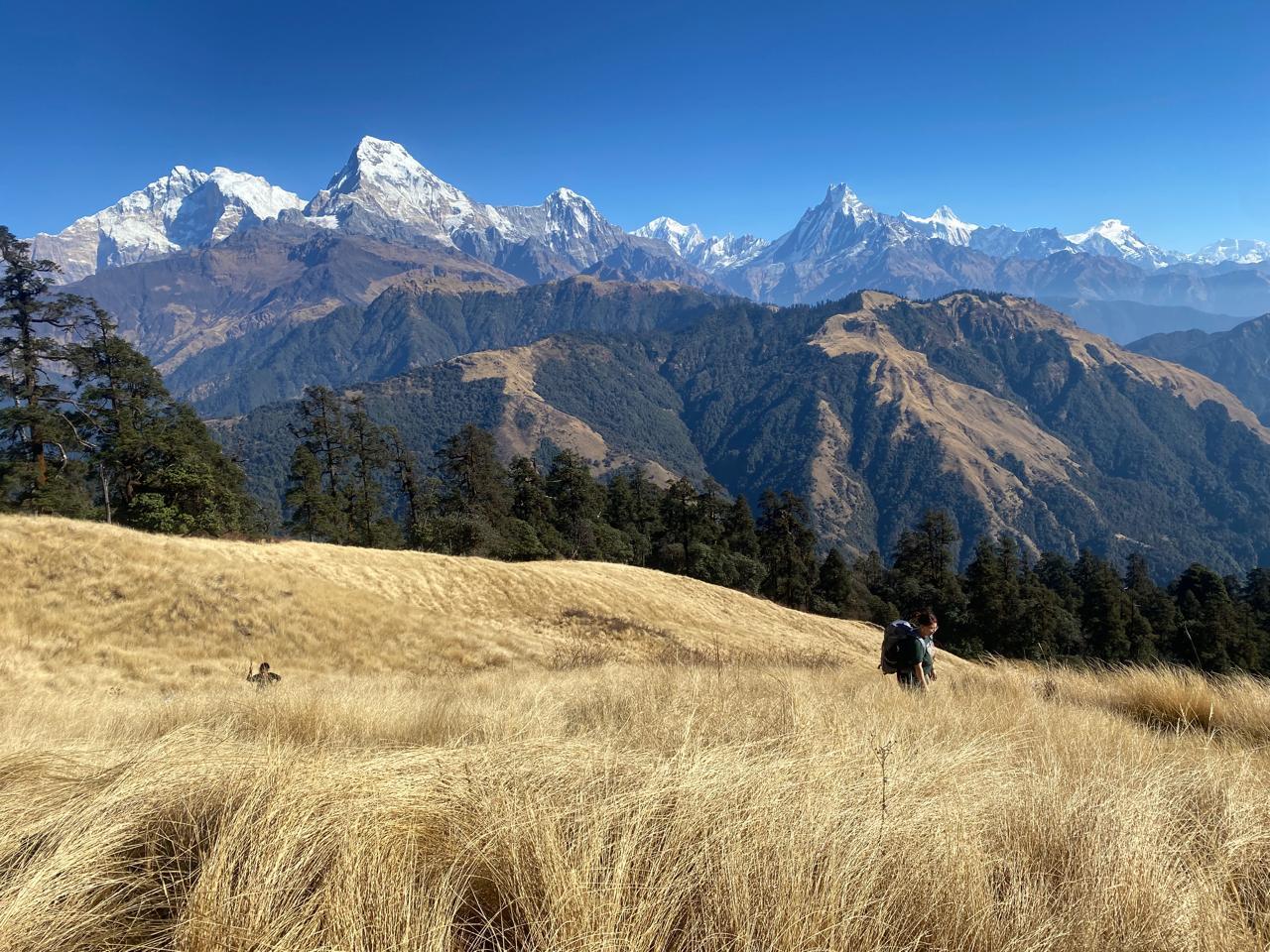
Nights can still be cold, especially above 4,000 meters, where temperatures may drop below freezing. Compared to autumn, there are slightly fewer trekkers on the trails, but spring is still considered a busy trekking season. It is a great time for treks like the Annapurna Circuit, where rhododendron forests are in full bloom and birdlife is easy to spot. The Langtang Valley, just north of Kathmandu, is also a beautiful destination with clear views and fresh mountain scenery.
Summer in Nepal lasts from June to August and is usually the least popular time for trekking. This period is also known as monsoon season. Because of the rain, many trekkers avoid the Himalayas during summer. Trails can become muddy and slippery, and landslides may block paths and roads. In some areas, bridges can be damaged, and public transport may not run on time.
Thick clouds often cover the mountains, so clear views are rare during this season. However, there are a few good trekking areas that are not much affected by the monsoon. Upper Mustang is a great choice because it lies in the rain shadow of the Annapurna range and stays mostly dry. It feels like a high-altitude desert with beautiful snow-covered peaks. Upper and Lower Dolpo are also good summer trekking options, offering quiet trails and stunning landscapes during this time.
If you are looking for one clear answer to the best time for trekking in the Nepal Himalayas, autumn is the top choice. During this season, the weather is mostly stable, and the mountain views are clear and beautiful. As autumn goes on, temperatures slowly drop, and at higher altitudes, you may still see some snowfall, but conditions are usually good for trekking.
Autumn is the busiest trekking season, so you will meet many other trekkers on the trails. Daytime temperatures are usually between 20°C and 25°C, and a bit cooler above 4,000 meters. Nights are cool, especially in the mountains. In early September, there may still be some rain left from the monsoon, mostly in the afternoons, and high passes can sometimes have snow. By October, trails are clear, rain stops, and festival season begins. Festivals like Indra Jatra in the capital add a special cultural experience, making autumn a perfect time to visit Nepal.
Winter in the Nepal Himalayas is cold, and that is something trekkers should expect. Snow can fall even at lower elevations, sometimes from around 1,500 meters, which can make trekking more challenging. However, winter can still be a great time to trek, especially for those who prefer quiet trails and peaceful surroundings. One of the biggest advantages of winter trekking is fewer people on the trails. As autumn ends, the crowds disappear, and the mountains feel calm and open.
Popular lower-altitude treks like the Ghorepani Poon Hill trek become almost empty during winter. Other good options for this season include the Mardi Himal trek and the Annapurna Base Camp trek, which usually remain accessible. With the right planning and experienced local support, winter trekking can be safe and enjoyable. Skilled guides help manage cold conditions and ensure comfort and safety throughout the trek, making winter a rewarding time to explore Nepal’s mountains.
For those seeking something truly remote, our Upper Mustang trek takes you into the ancient walled kingdom of Lo.

The best season for trekking in Nepal is during the autumn season, which lasts from September to November. During these months, the weather is mostly clear and stable, and temperatures are comfortable for walking. The skies are usually clear, so the mountain views are sharp and beautiful. Autumn is also the time for major festivals like Dashain and Tihar, which adds a special cultural feel to the journey. Because of the great weather and clear views, many trekkers prefer this season.
Another good time for trekking in Nepal is spring, from March to May. The weather is warm and pleasant, and hills and valleys are filled with blooming flowers. Trekking conditions are comfortable, and mountain views are still very clear. Spring also has several local festivals, making the trip more colorful and lively. Both autumn and spring offer good weather, lovely scenery, and a rich cultural experience, making them the top seasons for trekking in Nepal.
Also Read: Best Season To Travel
Choosing the right gear is very important when trekking in Nepal because the weather changes with the seasons. What works well in spring may not be enough for winter, and monsoon trekking needs a different kind of preparation. Being properly dressed and equipped helps you stay warm, dry, and comfortable on the trail. It also makes the trek safer and more enjoyable. Below is a simple guide to the essential gear needed for each trekking season in Nepal.
A. Spring and Autumn
Spring and autumn have moderate weather, so layering is the key. Moisture-wicking base layers help keep sweat away from your body. A warm fleece or light down jacket is useful for mornings and evenings. You also need a waterproof and windproof outer layer, along with gloves and a warm hat. Strong trekking boots are important, and a sleeping bag rated between -10°C to -15°C works well for higher elevations.
B. Winter
Winter trekking requires extra warmth and protection. Thick insulated jackets, thermal inner layers, and a 4-season sleeping bag rated to -20°C or lower are necessary. Warm gloves, insulated hats, and well-insulated waterproof boots help protect against extreme cold. For icy and snowy trails, especially above 4,000 meters, microspikes or crampons are very useful for safety.
C. Monsoon
During the monsoon season, staying dry is the main challenge. A good-quality waterproof and breathable rain jacket and pants are essential. Backpack rain covers, gaiters, and quick-drying clothes help manage constant moisture. Leech-repellent socks or sprays are useful in forested areas. Waterproof trekking boots with strong grip reduce the risk of slipping on muddy and wet trails.
Destiny Excursion is your trusted partner for exploring the beauty of Nepal. With experienced local guides and carefully planned trips, they make every journey safe, comfortable, and memorable. Their focus on personalized service ensures that each traveler’s needs are met. Choosing Destiny Excursion means experiencing Nepal in a truly authentic and enjoyable way.
Experienced Local Guides: Skilled guides with deep knowledge of Nepal’s culture, mountains, and trails ensure a safe and smooth journey.
Well-Planned Itineraries: Trips are carefully designed to balance adventure activities, culture, and comfort for all types of travelers.
Personalized Service: Every traveler’s needs and preferences are considered for a more enjoyable experience.
Safety and Reliability: Focus on safety and proper logistics so you can trek or explore with peace of mind.
Authentic Nepal Experience: Offers a true taste of Nepal, from mountains and villages to local culture and festivals.
Trekking in Nepal is an unforgettable experience, offering stunning mountain views, rich culture, and diverse landscapes. Choosing the best tours and travels company in Nepal and the right season is important to enjoy your trek safely and comfortably. Autumn and spring are the most popular seasons, providing clear skies, pleasant temperatures, and vibrant scenery. Winter offers quiet trails and peaceful surroundings, while summer is best for rain-shadow regions like Upper Mustang and Dolpo.
Packing the right gear for each season ensures that you stay warm, dry, and comfortable, whether you are trekking at high altitudes or exploring lower hills. Traveling with an experienced operator like Destiny Excursion makes the journey even better, as they provide skilled guides, well-planned itineraries, and personalized support throughout the trek. With proper planning, preparation, and guidance, trekking in Nepal can be a safe, enjoyable, and truly life-changing adventure that leaves you with memories to cherish forever. If you want to know more about treks in Nepal you can check our blogs too.
October is often considered the best month for trekking in Nepal. The weather is stable, the skies are clear, and mountain views are sharp and bright. Trails are in good condition after the monsoon, and temperatures are comfortable during the day. Many popular treks like Everest Base Camp and Annapurna look their best in October.
Autumn (September to November) is the best season for trekking in Nepal. During this time, the weather is dry, visibility is excellent, and the views of the Himalayas are very clear. Spring is also a good season, especially for flowers and warmer days, but autumn is generally more reliable for trekking.
Yes, September is a good time to trek in Nepal, especially toward the middle and end of the month. The monsoon starts to fade, the landscapes turn green, and the air becomes clearer. Some early September days may still have clouds, but conditions improve quickly as the month goes on.
The best time for clear Everest views is from late September to November and from March to April. During these months, the skies are usually clear in the mornings, offering sharp views of Everest, Lhotse, and Nuptse. Autumn gives the clearest visibility, while spring adds warmer weather and colorful scenery.
June is usually the hottest month in Nepal. Temperatures rise across the country, especially in lower regions and cities. It is also the start of the monsoon season, bringing heat, humidity, and rain. In the mountains, it is cooler but often cloudy, which can limit views during treks.

Ghandruk is a very beautiful village in the Annapurna region of Nepal. This village is popular because of the Gurung culture and lifestyle along with their traditions and natural beauty.
Read More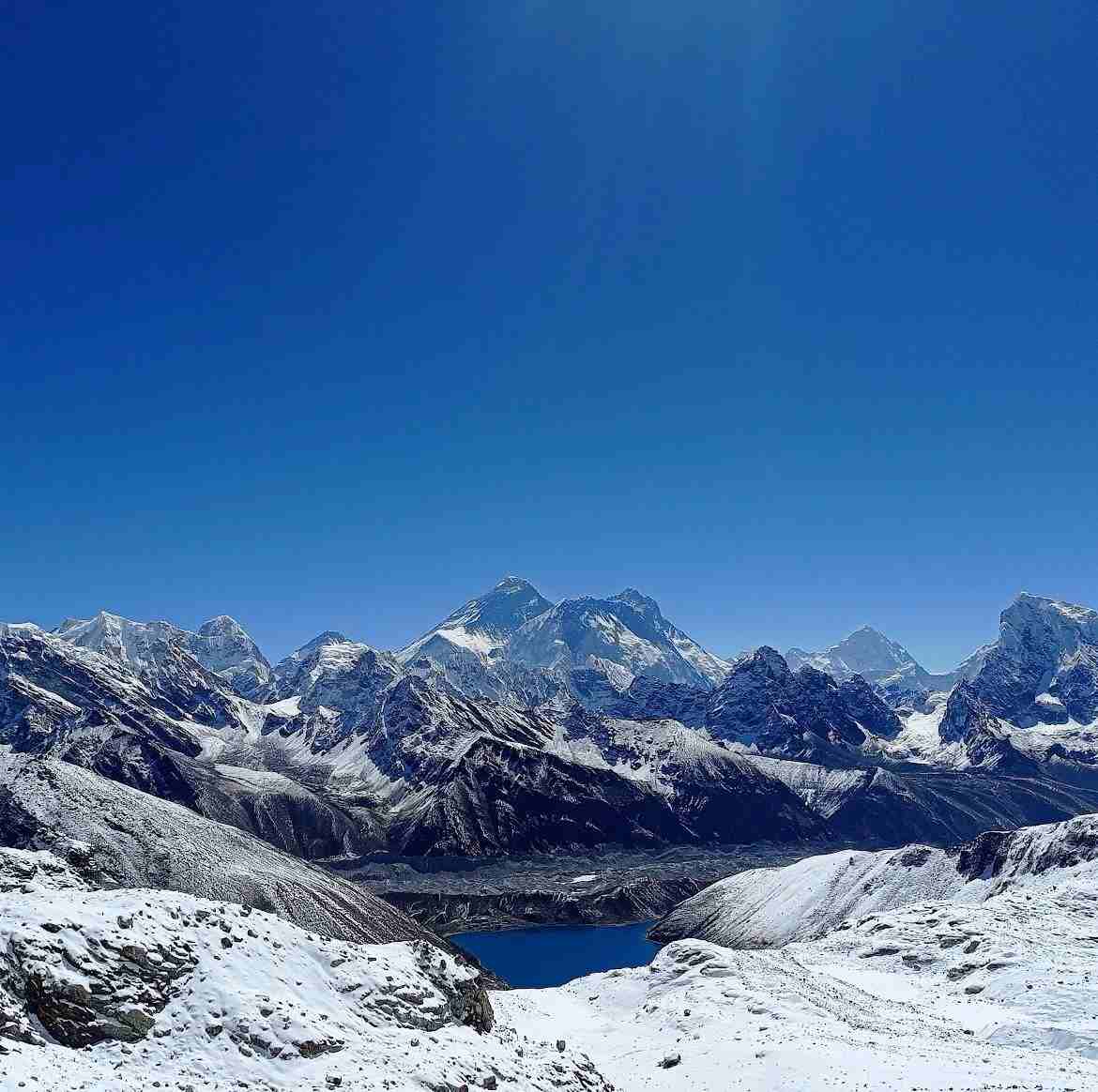
Gokyo Ri is a high viewpoint that stands at an altitude of 5,357 meters. This place is located on the Gokyo Lake trek route. Gokyo Ri viewpoint is famous for its stunning views of the majestic Himalayan peaks, including Mount Everest.
Read More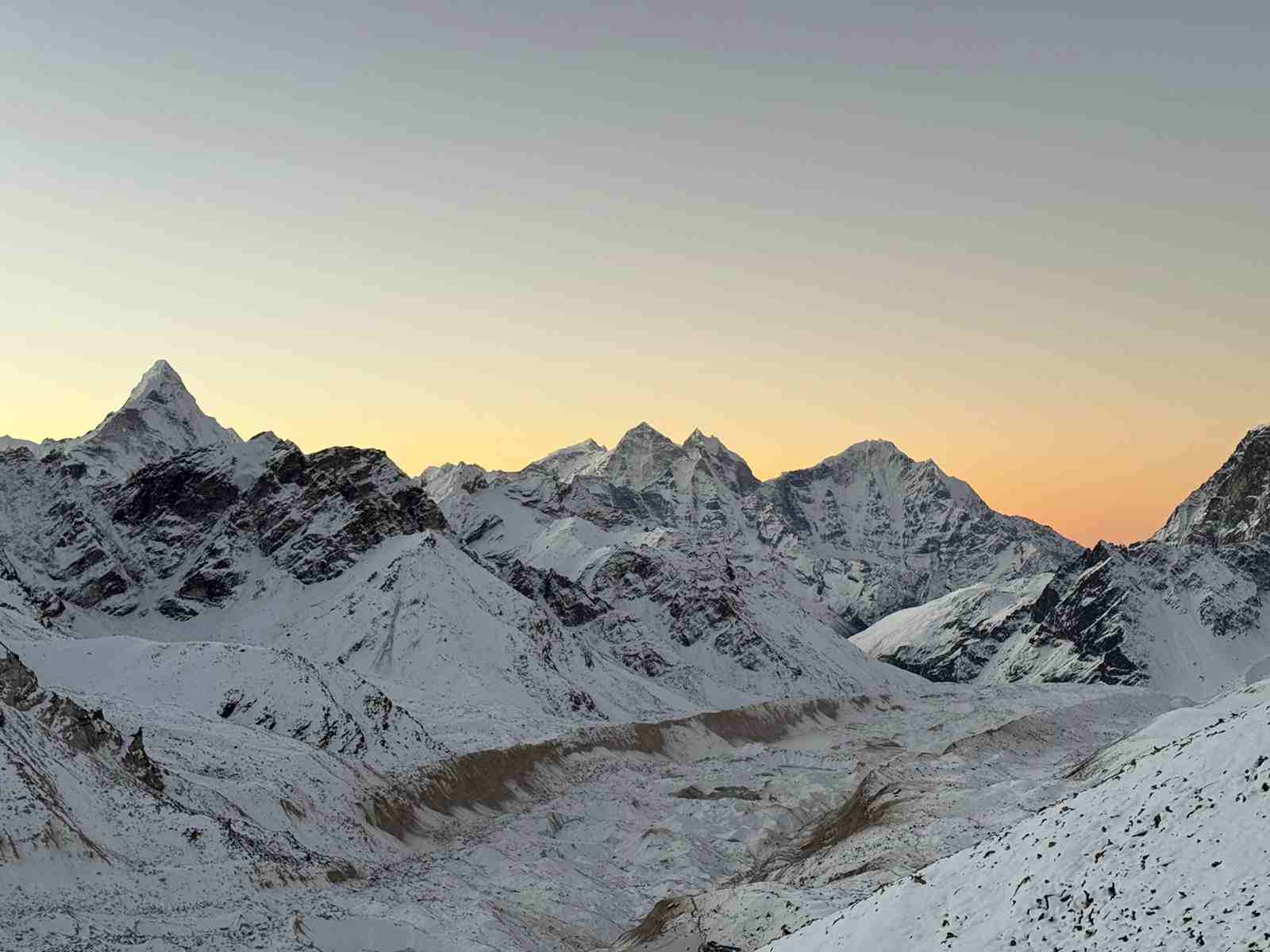
Mount Everest is the tallest mountain in the world, rising to 8,848 meters above sea level. For many people, it represents courage, adventure, and the dream of reaching the highest point on Earth.
Read More
Namche Bazaar is one of the most significant points on the Everest trekking trail. This mountain town is a stop for nearly every trekker who is heading towards Everest Base Camp.
Read More
Langtang Lirung (7,234 meters) is the highest peak in the Langtang Himalayan range of Nepal. The mountain stands on the northern side of the famous Langtang Valley and lies southwest of Mount Shishapangma in Tibet. It separates the Sun Koshi Valley to the
Read More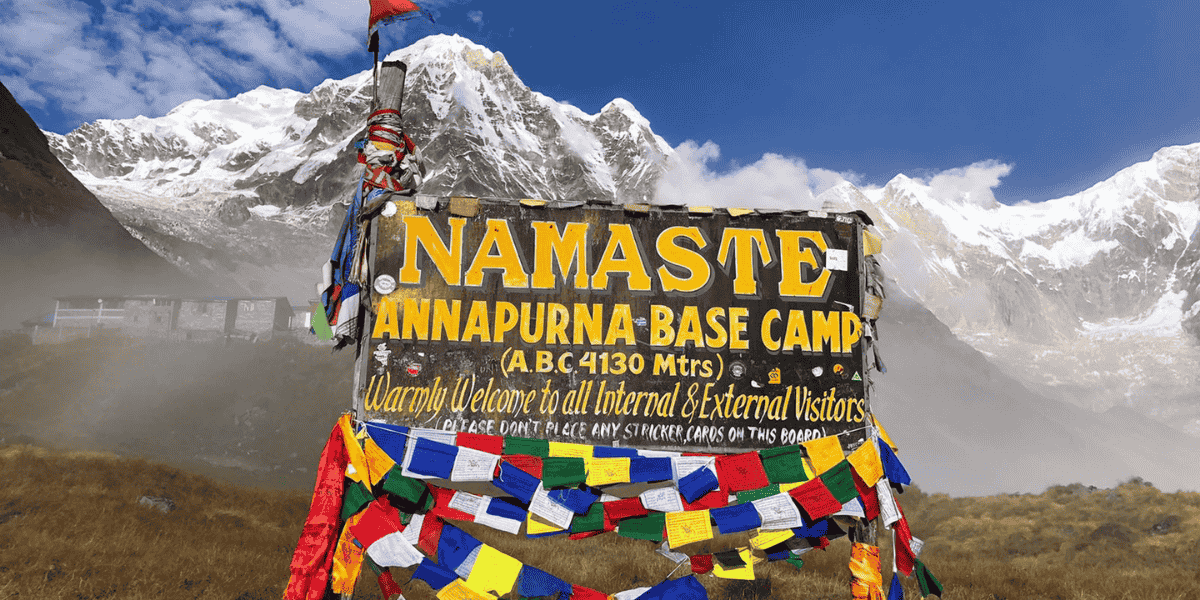
In this blog, we provide information regarding what a trekking permit is and why it matters, which permits are required for the Annapurna circuit trek, its costs, processes and documents. Along with this, we also give some insights about where you can get
Read More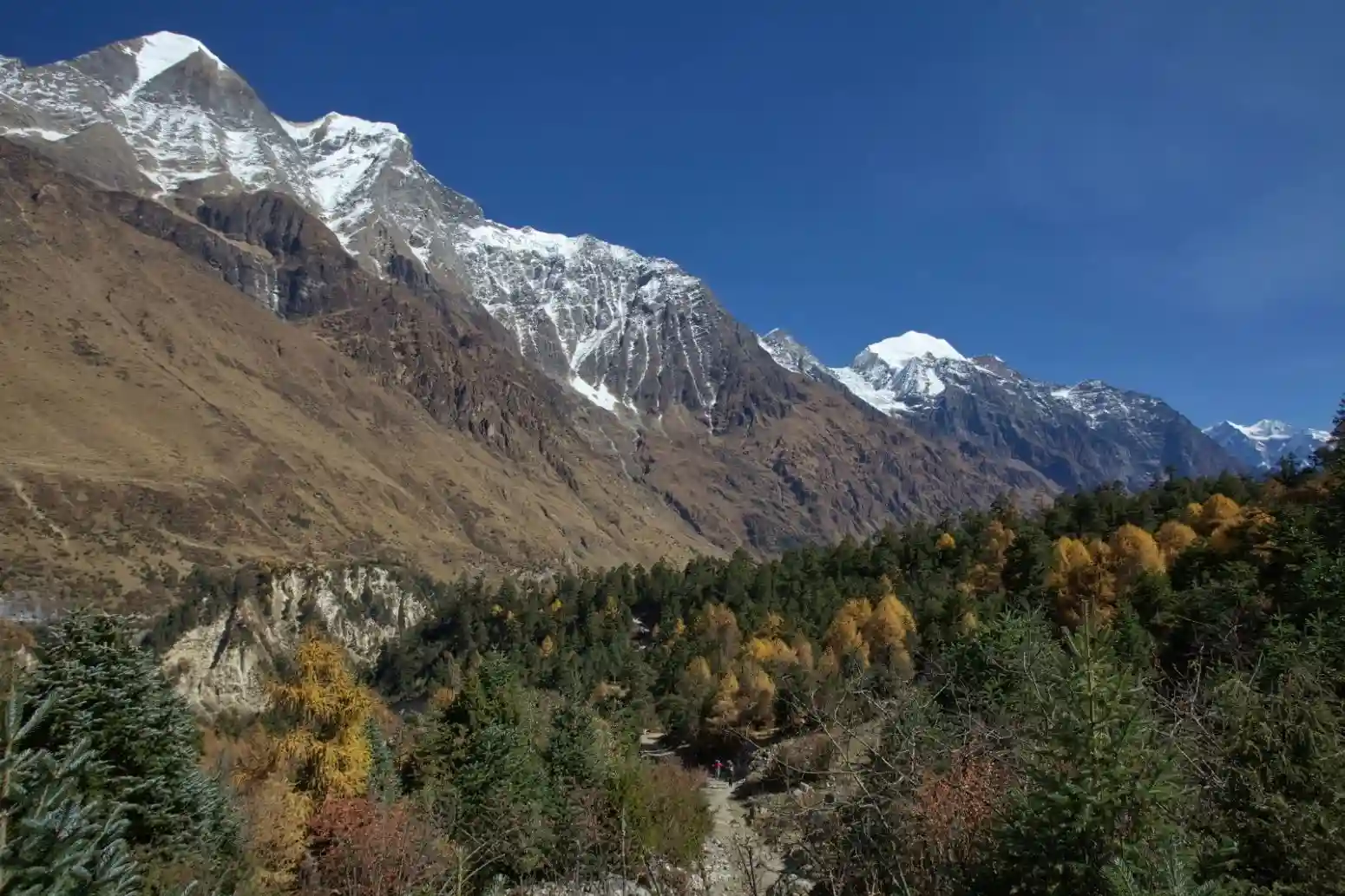
A clear beginner’s guide to the Manaslu Circuit trek: explains the difficulty, Larkya La pass, altitude sickness, best time to go, packing list and practical tips for a safer trek.
Read More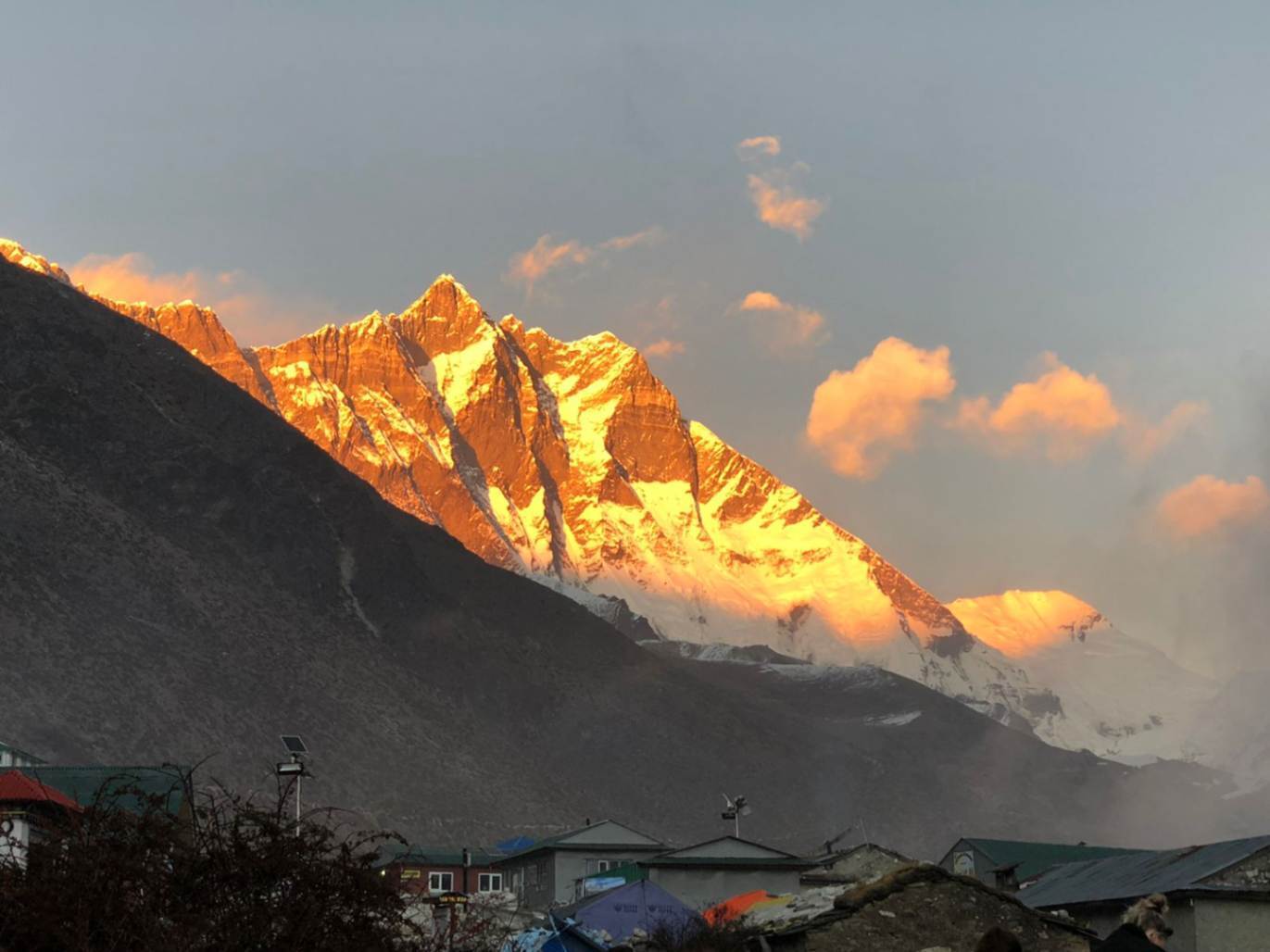
In this blog, we are covering every aspect of what you should know about the Everest Base Camp Trek packing list, such as the altitude of the EBC, the temperatures, why it is important, packing list and what you should avoid.
Read More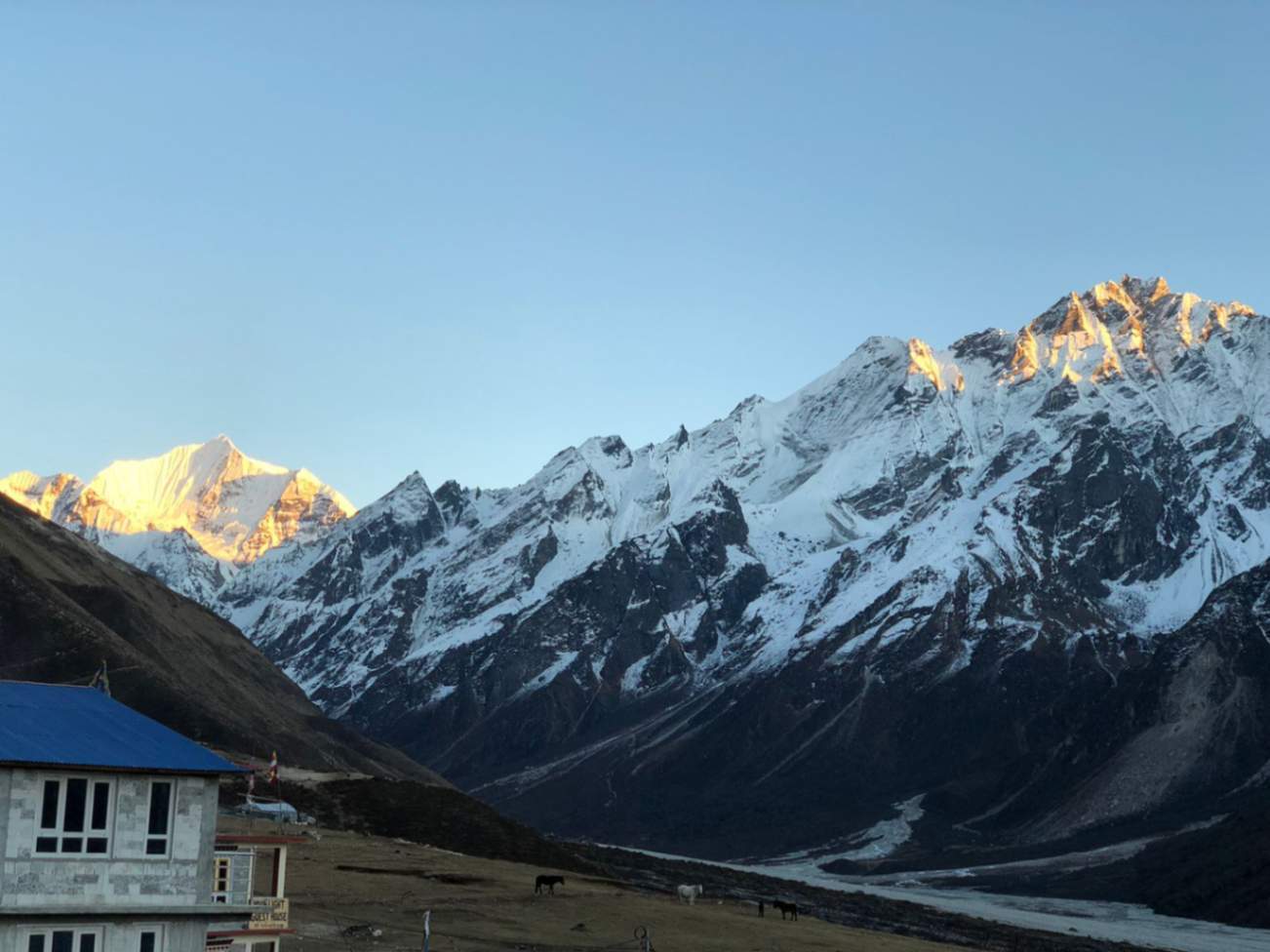
In this blog, we will assist you in selecting the most appropriate trek in Nepal when you are a beginner. You will also get to know when is the best time to have a trek, the basic fitness needs, simple packing tips, and the common pitfalls to avoid so tha
Read More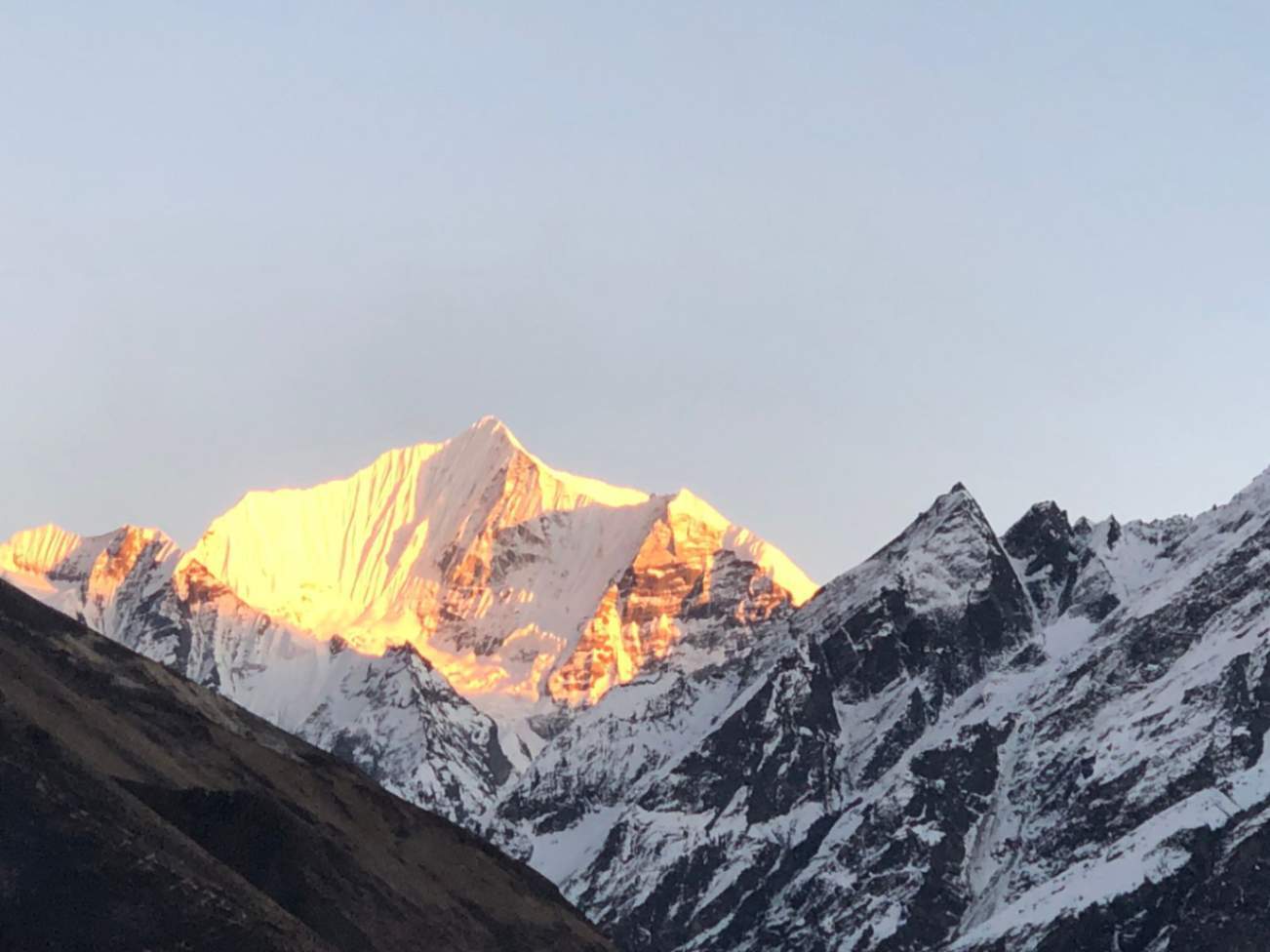
The Kyanjin Gompa trek in Langtang Valley is one of Nepal's most scenic and rewarding journeys, which offers you a blend of natural beauty, culture, and adventure.
Read More
we give you every detail you may require before starting your Annapurna circuit trek. You may also get information regarding the permit requirement, cost information, trek difficulty and tips if you are a beginner.
Read More
we shall discuss Everest Base Camp Elevation and trekking tips to help you understand this trek better while providing some helpful tips to guide you through the process.
Read More
we reveal the most interesting and important Everest Base Camp facts from the unusual culture of the Sherpa people and ancient monasteries on the trail to the physical challenges, altitude realities, and natural wonders you’ll experience.
Read More
we provide you with a guide for Manaslu Circuit Trek including aspects such as top attractions, best seasons, and its difficulty.
Read More
we have provided information regarding choosing the Tsum Valley trek, the best time to visit there, the difficulties and the cost.
Read More