
 Author
|
Author
|
 Feb. 7, 2025
|
Feb. 7, 2025
|
 Share to

 Share to
Nepal is home to many hidden gems of the world and one of these hidden gems is Tsum Valley, also known as the Hidden Valley. This valley offers a great view of Mountains, sacred places and a unique glimpse of traditional Tibetan culture. The Tsum Valley trek is especially known as a peaceful and quiet trek.
To trek these places, you need to have enough money, snacks, gear and travel insurance. Furthermore, you should be physically prepared, as the trek involves long days of hiking through rugged and high-altitude areas.
In this blog, we have provided information regarding choosing the Tsum Valley trek, the best time to visit there, the difficulties and the cost. Along with this, we also provide insights regarding the Tsum Valley trek map and permits.
The Tsum valley trek is a trekking route situated in the Gorkha district of Nepal, near to the Tibetan border. This trek offers a unique and unforgettable experience of scenic beauty, cultural immersion and a peaceful trekking experience. Tsum Valley is located very far from busy places, so people who enjoy peace and quiet can really love this trek. Some of the reasons behind choosing the Tsum Valley trek are as follows:
Tsum Valley is situated in one of the most remote places and mystical regions of Nepal. This valley is located near to the border of tibet, surrounded by mountains and valleys. Unlike other treks such as the Everest Base Camp trek, Annapurna circuit trek, and Langtang Valley trek, this trek is different and easy. This trek helps you take to a quieter and more natural place in the mountain areas where you can experience the Tibetan Buddhist culture, old monasteries and traditional villages.
The Hidden Tsum Valley trek is best for those trekkers who are seeking solitude, spirituality and cultural immersion. Furthermore, this place is ideal for those trekkers who want to see the panoramic views of Ganesh Himal, Shringi Himal, Baudha Himal ranges and want to experience genuine mountain hospitality.
This valley gives one of the most spectacular views of the Himalayan ranges (Manaslu and Ganesh Himal). You can see the world's eighth highest mountain, i.e., Manaslu, which provides an impressive backdrop, while the Ganesh Himal gives a beautiful look with its snowy peaks and of religious importance.
During the trek, you can see grassy meadows, lush forests and quiet villages, which are all surrounded by tall mountains that provide jaw-dropping views. This mountain provides stunning views during sunrise or sunset. Because of these views, the journey to the Tsum Valley trek can be unforgettable, leaving long-lasting memories of the beautiful landscapes and peaceful surroundings.
Larkya La pass is one of the scenic passes having a height of 5,165m from the sea level. You can get an incredible experience of majestic mountains such as Manaslu, Himlung, Cheo and Annapurna II when you trek over the legendary Larkya La Pass.
Furthermore, you can also find incredible beauty full of the icy landscape which leaves a long-lasting impression on you. You can find it hard to trek over the Larkya La pass, but when you reach the top of it, you can witness dozens of mountains full of breathtaking scenery. This pass can be great for people who are seeking adventures, love solitude and a stunning mountain view.
The Tsum Valley trek is one of the perfect starting points for trekkers who are gradually looking to gain experience in the well-known Manaslu region. This trek provides the seamless connection between the Manaslu Base Camp and the famous Manaslu Circuit trek which gives the trekkers a beautiful and rewarding experience of both landscape and rich culture. There you can enjoy the culture provided by Tibetan villages while enjoying the scene of Mt Manaslu. If you trek the Tsum Valley, you can get an opportunity to explore the fabulous scene of this valley and can get a thrilling experience of the Manaslu circuit. This experience of trekking helps you to remember over the lifetime.
This valley contains a rich tapestry of spiritual and religious practices which allows trekkers to explore locations linked to Buddhist history. Milarepas’ Cave is a place situated on the high cliffs. On these cliffs, the popular Tibetan saint (Milarepa) spends most of the time meditating there and becoming enlightened. Lungdang Gompa is a remote monastery that is fully surrounded by tall and beautiful peaks.
This monastery offers a peaceful atmosphere to the visitors and also gives the chance to see how the monks are living in that particular area. Mu Gompa is considered as one of the biggest monasteries in Tsum valley and an important place for trekkers who are deeply engaged in cultural and religious belief. All these sacred places give a significant sense of spirituality which offers a great spiritual meaning and peaceful feelings that help the trekkers to connect with the profound history of the area.
The Tsum valley trek helps you to stay away from the crowded as well as busy hiking places of well-known routes in Nepal. You can enjoy the beautiful scenery as well as the peaceful atmosphere as most of the trekkers don’t go there to visit. Because of the peaceful and quiet environment, this trek helps you to reflect and build a deep connection with nature when you trek through the lush forests, ancient monasteries and vibrant Tibetan villages. Tsum Valley Trek can be one of the best spots for those people who love solidarity and want a more intimate trekking experience.
Choosing the Tsum Valley trek can be one of the best decisions you have made if you are looking for a quiet and peaceful trek. This trek offers panoramic views, a rich cultural experience and a deep sense of spirituality.
After knowing about the reasons behind choosing the Tsum valley trek. You might be curious about the ideal time for a visit. The optimal period to explore the valley is in the autumn months (October and November) and in the spring months (March and April).
At these times, the hike to Tsum Valley can become quite busy due to the favorable temperatures, enjoyable surroundings, clear blue skies, and the valley adorned with vibrant blooming rhododendrons. Additionally, you can find a clear view of stunning mountains and enjoy the vibrant landscape.
Other than these months like December and January, you can find harsh conditions in Tsum Valley. During these months, there can be heavy snowfall and a very low temperature. Furthermore, most of the people who are living in this valley can also migrate to the lower regions. While these months may pose difficulties for trekking, experienced and well-prepared individuals can still undertake the journey.

The Tsum Valley trek presents moderate difficulty due to its elevated altitude, isolation, and challenging paths. In the trek you have to ascend and descend multiple times and have to hike for around 5 to 6 hours each day, which can be exhausting and physically challenging. Sometimes, you can get altitude sickness due to climbing the highest point of the trek (3,700m). To overcome it, you have to take an acclimatization day, take breaks and stay hydrated. By following these, you can help to adjust the body even in difficult situations.
Since this valley is located in the Himalayas region and is less developed, you can find difficulties in adjusting the accommodations and the facilities, which can make your trek even more challenging. Hence, you can take physical cardio exercise training, build strength and be physically as well as mentally prepared to successfully complete the Tsum Valley trek.
When planning the Tsum Valley trek, being aware of the challenges and the optimal timing is insufficient. You should also know about the cost as well. The typical price for the Tsum Valley trek itinerary ranges from $1,600 to $1,800 USD per individual. Within this cost, you can visit the entire Tsum Valley. Here at Destiny Excursion, we have included and excluded all the things which are listed below:
These include and exclude are based on the travel service company (Destiny Excursion). However, these details may vary with other companies.

As per the above map, you can cross the different paths to reach the final destination, i.e., Mu Gompa and can return to Kathmandu through the same route. The details mentioned below, especially about the time, can be changed due to road and weather conditions.
To access Tsum Valley, you need to acquire several permits from the trekking agency and the Nepal Tourism Board. Thus, you have to take permits for 3 restricted areas to visit Tsum Valley. They are as follows:
Tsum Valley Restricted Area Permits (TVRAP)
To enter the Tsum valley, you need to take the permits from a registered trekking agency in Kathmandu. The people living in Tsum valley can protect the local culture and nature because of this permit.
Manaslu Conservation Area Project (MCAP) Permits
You must have these permits to enter the Manaslu Conservation area. By taking the permits, you can see the protected animals, plants and the clean environment. At the starting point of the Manaslu conservation area (Philim), the ranger can check your permits. To obtain these permits, you must get in touch with the Nepal Tourism Board in Kathmandu or Pokhara via a trekking organization.
Trekkers’ Information Management System (TIMS) Permit
TIMS permits are essential since they allow you to follow hikers and assist you in an emergency. The officials can check these permits anywhere, especially at the starting and the ending points. You must obtain these permissions from a recognized trekking organization to enter Tsum valley trek.
Tsum valley Trek is a remote and culturally immersive trekking path which is located near to the Tibetan border. This valley is also known as the Hidden Tsum Valley because of its remote geography and historical isolation.
Trekkers who want a peaceful and quiet environment can trek this valley. Your journey can be unforgettable as this valley offers a peaceful trekking experience, stunning natural beauty and cultural immersion. This valley is gradually gaining popularity among the trekkers and can be one of the best trek sites to visit as this valley is balancing the tourism sectors, and preserving the culture.
In this blog, we have provided information regarding choosing the Tsum Valley trek, the best time to visit there, the difficulties and the cost. Along with this, we also provide insights regarding the Tsum Valley trek map and permits.
The Tsum Valley trek is around 19 days. Within this day, you can fully visit the Tsum valley and can return to Kathmandu as well. This trek begins from Kathmandu to Mu Gompa and again ends in Kathmandu.
There are currently 3 permits that the trekkers should take to visit Tsum Valley. Each of the permits has its own features. They are as follows:
The Mu Gompa has the maximum altitude in the Tsum Valley having an elevation of 3,700m (12,139ft). It is the largest and most important monastery in the Tsum Valley.
There are many famous festivals celebrated in Tsum Valley. Each of the festivals has its own specialties. Some of them are as follows:
No, the trekkers cannot trek the Tsum Valley without a guide. There are various rules in this place to trek as it is mentioned by the government of Nepal. These rules are made for safety, support conservation and local regulations.
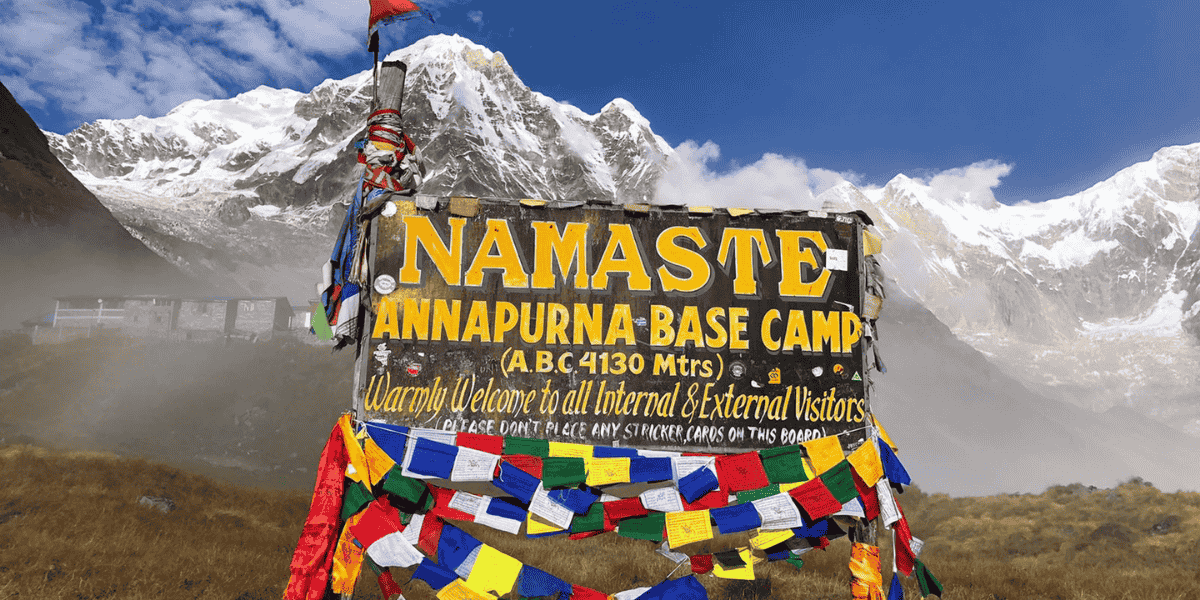
In this blog, we provide information regarding what a trekking permit is and why it matters, which permits are required for the Annapurna circuit trek, its costs, processes and documents. Along with this, we also give some insights about where you can get
Read More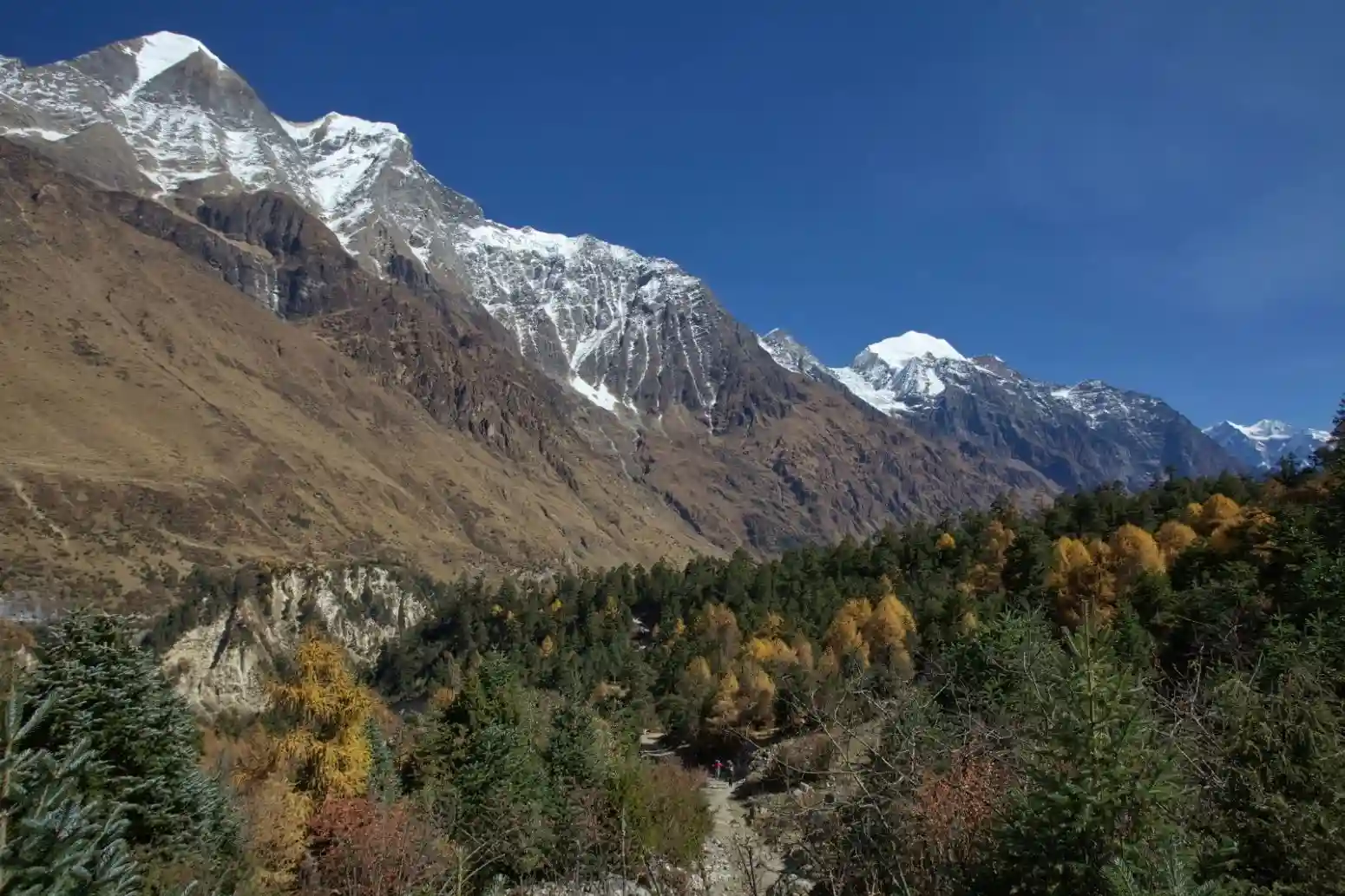
A clear beginner’s guide to the Manaslu Circuit trek: explains the difficulty, Larkya La pass, altitude sickness, best time to go, packing list and practical tips for a safer trek.
Read More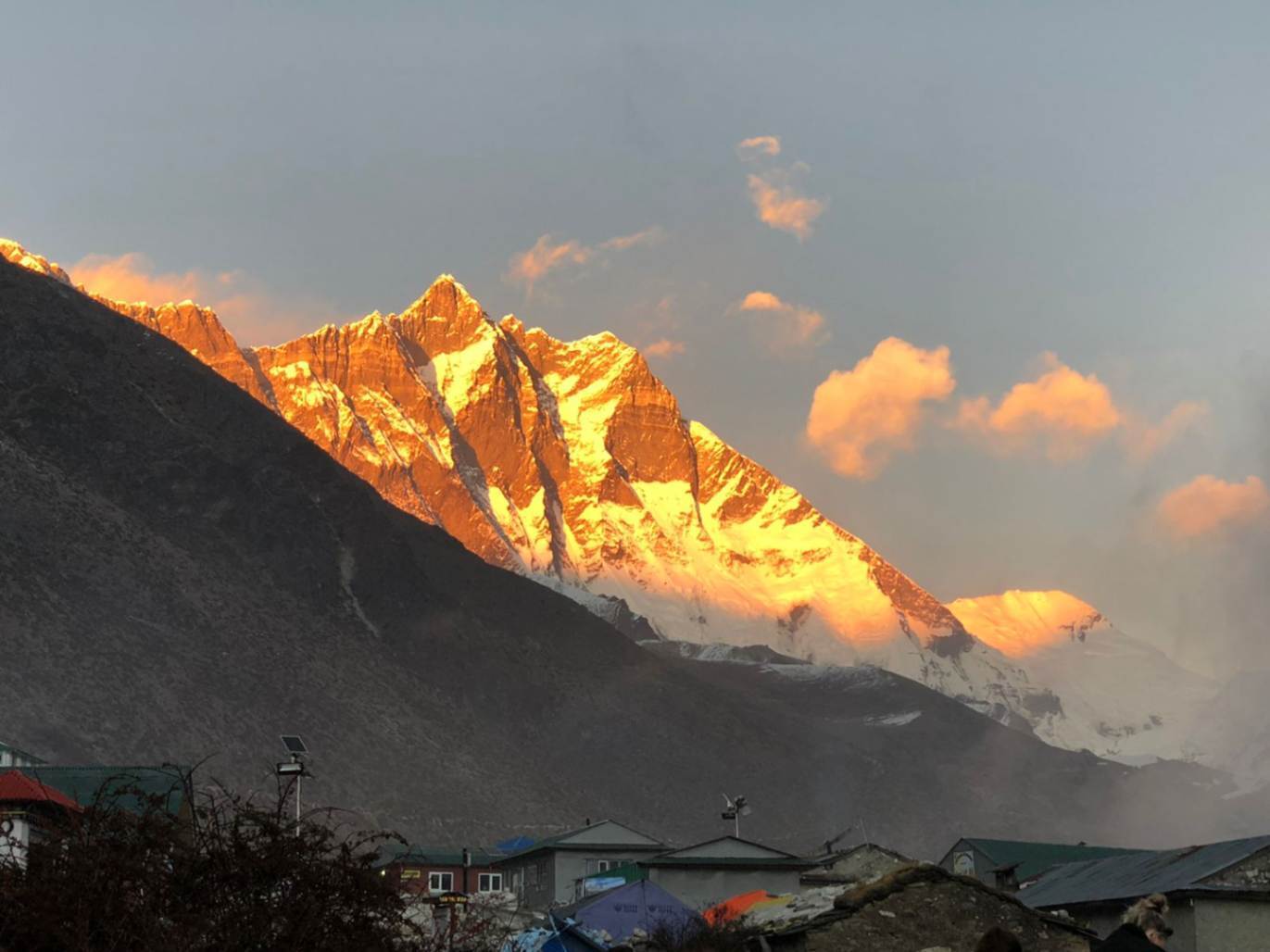
In this blog, we are covering every aspect of what you should know about the Everest Base Camp Trek packing list, such as the altitude of the EBC, the temperatures, why it is important, packing list and what you should avoid.
Read More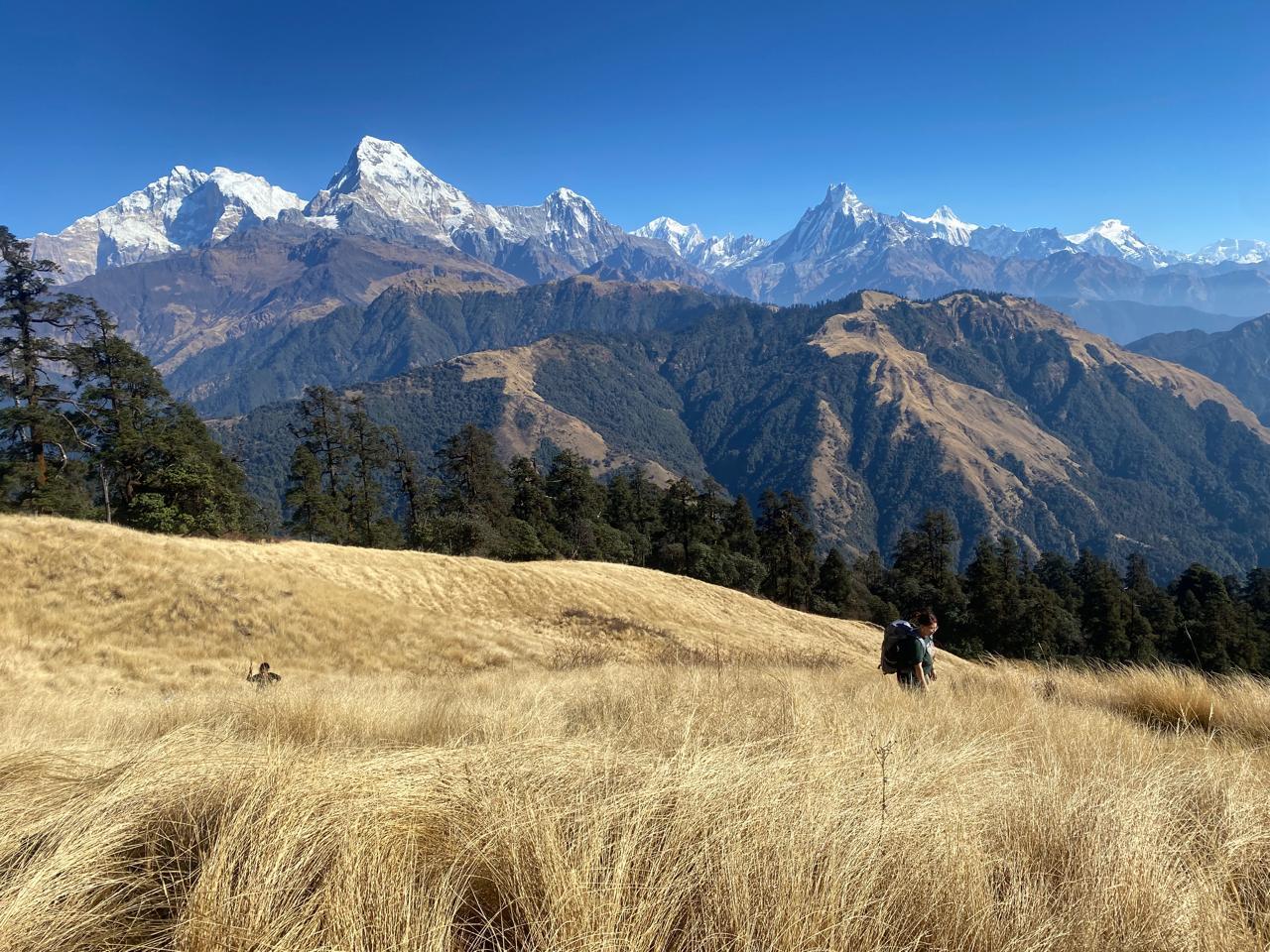
In this blog, you will know about each season in simple terms to help you decide the best season for trekking in Nepal based on your travel style and expectations.
Read More
In this blog, we will assist you in selecting the most appropriate trek in Nepal when you are a beginner. You will also get to know when is the best time to have a trek, the basic fitness needs, simple packing tips, and the common pitfalls to avoid so tha
Read More
The Kyanjin Gompa trek in Langtang Valley is one of Nepal's most scenic and rewarding journeys, which offers you a blend of natural beauty, culture, and adventure.
Read More
we give you every detail you may require before starting your Annapurna circuit trek. You may also get information regarding the permit requirement, cost information, trek difficulty and tips if you are a beginner.
Read More
we shall discuss Everest Base Camp Elevation and trekking tips to help you understand this trek better while providing some helpful tips to guide you through the process.
Read More
we reveal the most interesting and important Everest Base Camp facts from the unusual culture of the Sherpa people and ancient monasteries on the trail to the physical challenges, altitude realities, and natural wonders you’ll experience.
Read More
we provide you with a guide for Manaslu Circuit Trek including aspects such as top attractions, best seasons, and its difficulty.
Read More