Discover Everest Base Camp Elevation & Trekking Tips
The Everest Base Camp (EBC) trek is one of the most popular treks in Nepal since you get to see the world’s tallest mountain up close. It is a dream of many but it is essential to know the Everest Base Camp elevation to be able to partake in the trek safely and finish it successfully.
Proper research on this matter is crucial because of the high altitude that you have to face during the trek, which can be life-threatening. In this blog, we shall discuss Everest Base Camp Elevation and trekking tips to help you understand this trek better while providing some helpful tips to guide you through the process. The Everest Base Camp elevation has 5 steps starting from Lukla and ending in Kala Patthar. Let’s discuss the elevations in detail.
Trekking Route Elevations, Step By Step
The elevation fluctuates as you continue your
Everest Base Camp trek since you must go higher and then come back down to acclimatize with the elevation. To understand it better, we have prepared a step-by-step Everest Base Camp elevation map that explains the elevations in detail. There are 5 steps of elevation that you can expect on your trek to Everest Base Camp, and they are discussed as follows.
Kathmandu To Lukla
Your first stop is in Lukla after traveling from Kathmandu, which is 1400m high. After reaching Lukla, you can expect an elevation of 2,610m, meaning that the Everest Base Camp elevation starts at Lukla. The elevation is not very high here, but it goes higher as you continue the journey to EBC. The elevation gradually increases from Lukla, giving you enough time to adjust to the new weather and dropping temperatures.
- Elevation at Lukla: 2610m
Lukla To Namche Bazaar
The trail from Lukla eventually leads you to Namche Bazaar, where the elevation is higher, and altitude should be considered during your journey. Namche Bazaar is at an elevation of 3440m, which is about 11286 ft. The trail continues to grow higher, so it is necessary to take preventive measures to adjust to the Everest Base Camp elevation. Namche Bazaar is a key spot for acclimatization, which means you get to go higher and see the snow-capped mountains before adjusting to the elevation.
- Elevation at Namche: 3440m
Namche Bazaar To Tengboche
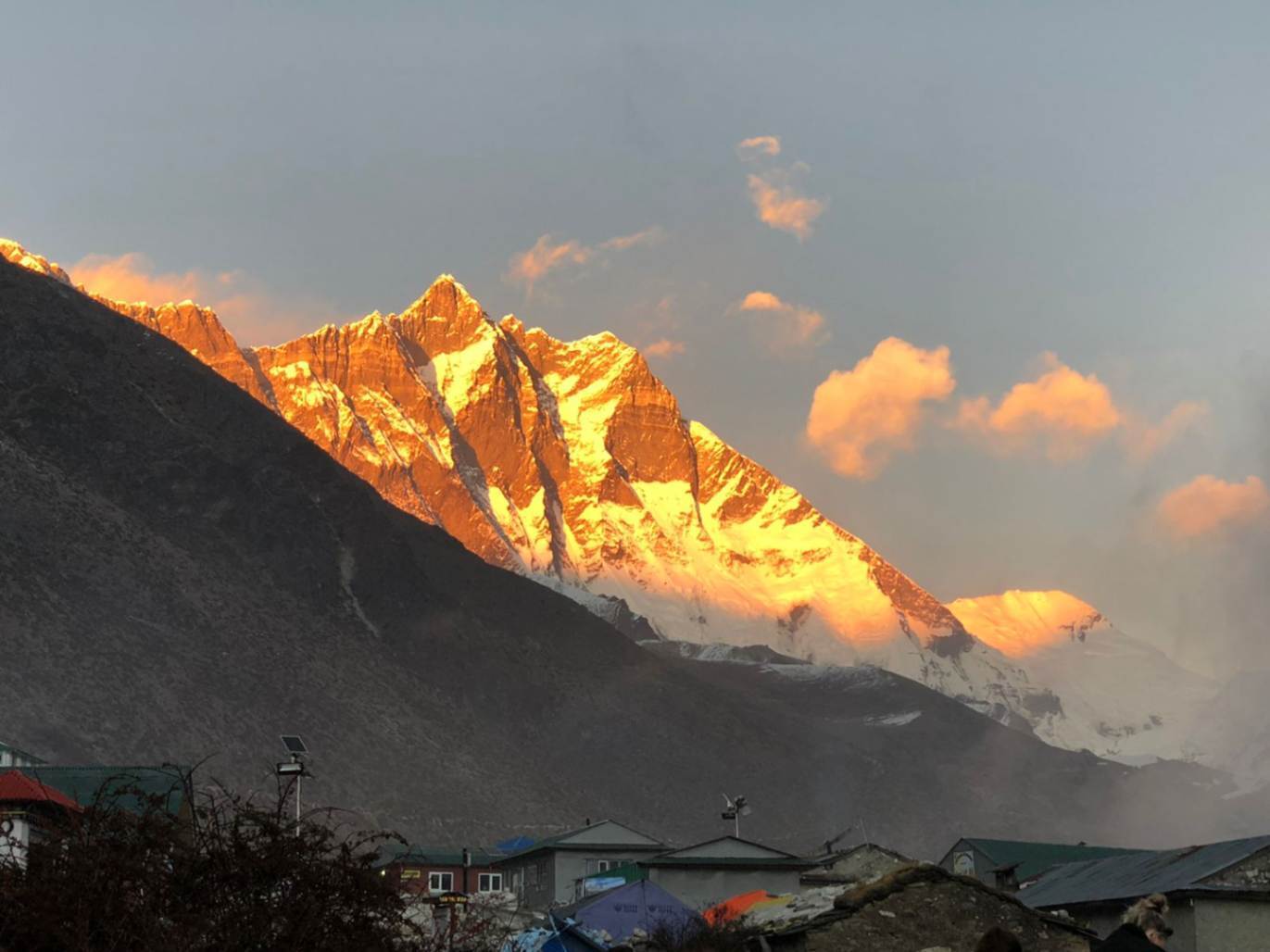
After arriving at Namche Bazaar and adjusting to the elevation via acclimatization, it is time to trek up to Tengboche. It has an elevation of 3867m, which is only slightly higher than Namche Bazaar, which makes it steady and easier to walk. The view in Tengboche is stunning since you get to see Everest and Ama Dablam. It also has many monasteries for spiritual guidance and to help you feel closer to nature and god.
- Elevation at Namche: 3867m
Tengboche to EBC
Higher than Tengboche is the EBC, with an elevation of 5364m. This elevation is significantly higher than Tengboche, so it shall require extra precaution to adjust to the new environment. The trail becomes steeper and rockier as you walk towards the Everest Base Camp, so it is crucial to be safe and understand the Everest Base Camp elevation. From Tengboche, it is a final push to the second-highest elevation in this trek, which is the EBC.
EBC To Kala Patthar
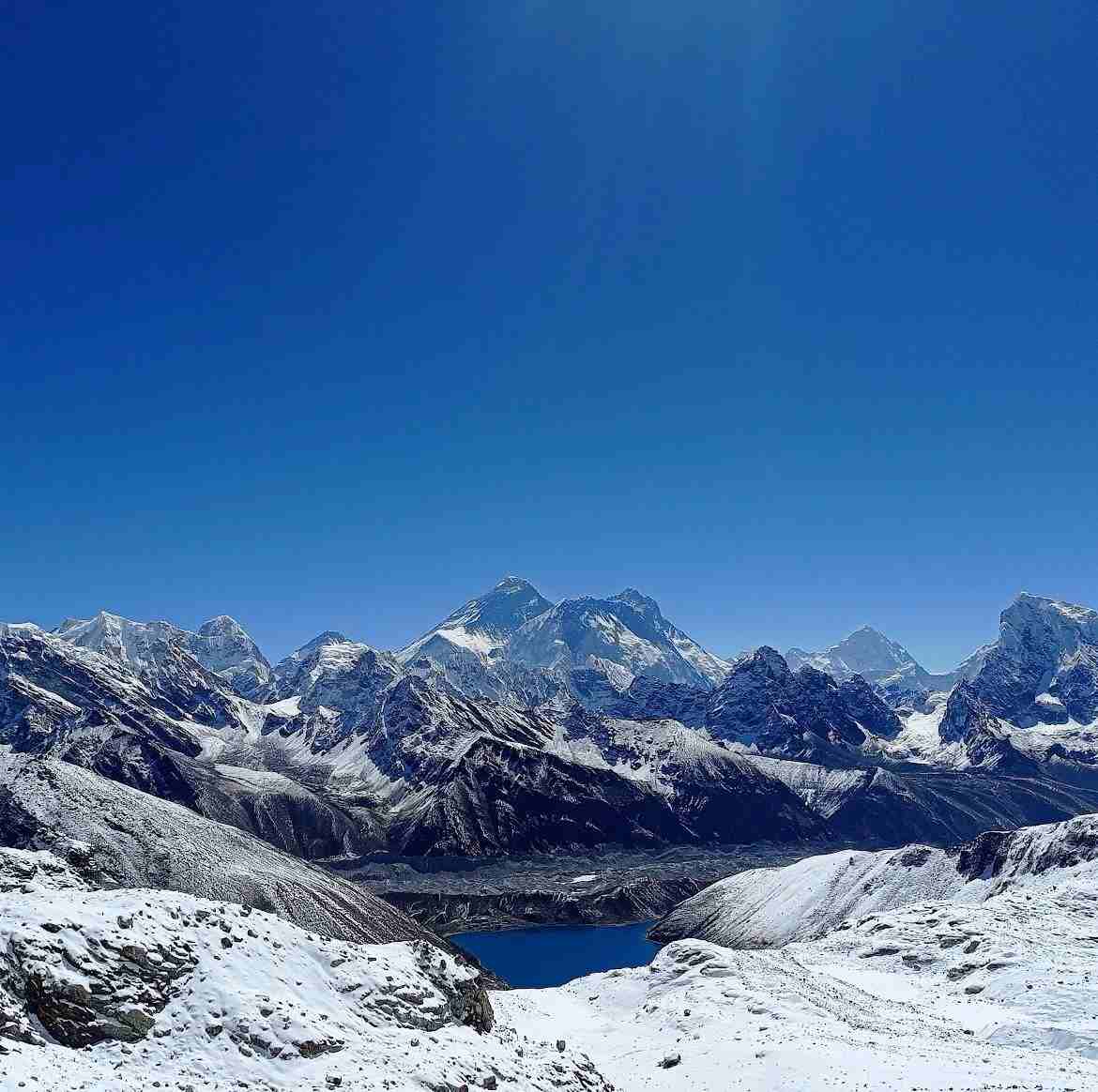
Kala Patthar is the highest Everest Base Camp elevation in this trek. Most trekkers like to climb up to Kala Patthar the next morning after reaching EBC to see the sunrise. It is at an elevation of 5644m, which is the highest you can reach on this trek. You get to see stunning views of Mount Everest and other mountains surrounding Everest from Kala Patthar, which makes the high elevation worth it.
The step-by-step rise of Everest Base Camp Elevation is 2610m to 5644m, with many fluctuations in between. It offers stunning views of multiple mountains, and you get to experience Nepali culture in depth. As the Everest Base Camp elevation increases, you must acclimatize well in order to finish the trek and reach the highest elevation possible in this trek. Proper planning and preparation are required to keep your health up during the trek. So, for more awareness of the elevation, let us discuss altitude gain during the Everest Base Camp Trek.
Table For Altitude Gain During Everest Base Camp Trek
Altitude is the biggest change that you must get used to during the Everest Base Camp trek. It can cause many issues throughout the trek that may stop you from finishing the trek and seeing Mount Everest up close. Here is a table with the rise in altitude and the location to keep you informed on the rise in altitude as you continue your trek.
|
Location
|
Elevation
|
|
Kathmandu
|
1,350 m (4,429 ft)
|
|
Lukla
|
2,610 m (8,563 ft)
|
|
Namche Bazaar
|
3,438 m (11,280 ft)
|
|
Tengboche
|
3,870 m (12,697 ft)
|
|
Everest Base Camp
|
5,364 m (17,599 ft)
|
|
Kala Patthar
|
5,644m (18,517 ft)
|
The table states the rise of Everest elevation from Kathmandu to Kala Patthar. As you can see, the altitude keeps rising gradually as you trek up the mountain. The rise in altitude means you are going higher and reaching your destination shortly. However, it is crucial to take your time and adjust as you move along in this trek, which is why, further, we shall discuss how long the Everest Base Camp trek is. Let’s dive in.
How Long Is the Everest Base Camp Trek?
He table states the rise of Everest's elevation from Kathmandu to Kala Patthar. As you can see, the altitude keeps rising gradually as you trek up the mountain. The rise in altitude means you are going higher and reaching your destination shortly. However, it is crucial to take your time and adjust as you move along in this trek, which is why, further, we shall discuss how long the Everest Base Camp trek is. Let’s dive in.
How Long Is the Everest Base Camp Trek?
The Everest Base Camp trek can be completed in 12-14 days. However, due to the Everest Base Camp elevation and to make the trek safer, Destiny Excursion has an itinerary of a 17-day trek to the EBC. The itinerary covers arrival to departure with rest days between the treks and proper acclimatization that makes the trek more doable and safer. Advanced trekkers can finish the trek in 12-14 days or even less, but for beginners, it is recommended to take time and enjoy the trek to the fullest while being cautious about the difficulties. Let us discuss distance and walking times for the EBC trek.
- Distance: The distance covered in this trek is about 130 km, which is 80 miles. During the trek, it is divided into 7-10 miles per day that need to be covered in order to finish the trek in time.
- Walking times: You shall be walking 5-7 hours a day during the trek to cover the required Everest Base Camp trek distance and acclimatize accordingly. It is essential to adjust to the altitude and the weather conditions, so walking times are pre-planned.
To sum up, the Everest Base Camp trek is generally 14 days long but it is recommended to take more time due to Everest Base Camp elevation. Now, let us discuss what makes this trek more challenging than other treks.
What Makes the Everest Base Camp Trek Challenging?
The
Everest Base Camp trek is the most challenging in the world. It can only be completed by advanced trekkers or at least people with some experience in trekking. Here are a few reasons that make the EBC trek most challenging.
- Mount Everest is the highest mountain in the world, which makes this trek longer and, therefore, more challenging.
- The altitude ranges from 1350m in Kathmandu to 5,364m in the EBC, which can be challenging to adapt.
- Rocky and slippery path on this trail also makes it more challenging.
- Weather fluctuations, including snow and cold winds, can be unpredictable, making the trek more difficult.
- The Everest area is remote and has limited services, so getting medical help can be difficult.
These are a few reasons that make the EBC trek more challenging compared to other treks in Nepal. Since this blog is about Everest Base camp elevations, let us discuss more about altitude. Our next topic is the common illnesses faced during the EBC Trek.
Common Altitude Illnesses Faced During the EBC Trek
Altitude sickness is the most common problem faced by everyone during the EBC trek. Here are the three most common altitude illnesses faced during the EBC trek.
- Acute Mountain Sickness (AMS): This is the most common sickness that occurs due to a rise in altitude without proper acclimatization. Basic symptoms of AMS include nausea, headache, dizziness, etc.
- High Altitude Pulmonary Edema ( HAPE): It is caused due to fluid in the lungs due to low oxygen levels in the mountain region. You can expect shortness of breath, chest tightness and coughing in HAPE.
- High Altitude Cerebral Edema (HACE): HACE is caused due to swelling in the brain. It can be dangerous and cause confusion and hallucinations. You must not continue the trek if you have HACE symptoms.
So, these were the few altitude illnesses faced during the EBC trek. It can be dangerous to health, so let us discuss tips to prevent altitude sickness so that you can enjoy your trek without much altitude issues.
Tips To Prevent Altitude Sickness On The EBC Trek
As we discussed above, altitude sickness can be life-threatening, so here are a few tips to prevent altitude sickness on the EBC trek:
- Proper Acclimatization: You must acclimatize properly throughout the trek. It can be done by going higher and then coming back down to adjust to the altitude.
- Stay Hydrated: Drink plenty of water and electrolytes to keep your health up and boost energy.
- Eat well: A proper diet is crucial during a long and high trek. So, ensure that all your meals have proteins and carbs along with fiber.
- Avoid Alcohol: Drinking can keep you warm. However, it is not good considering the altitude. So, avoid drinking alcohol at all costs.
- Know when to stop: If you feel uncomfortable, you must stop the trek and go back down. Pushing through and risking your health can be dangerous.
Be cautious and listen to your body. That is the biggest tip to prevent altitude sickness on the
EBC trek, along with the tips mentioned above. Ensure to follow these tips during your trek to EBC so that you can have the journey of a lifetime.
Conclusion
Everest Base Camp is an excellent trek that is desired by a lot of nature lovers. However challenging it may be, it is a rewarding journey filled with breathtaking scenarios, stunning mountains, snow, cultural sites and many more. This blog covered the elevations of Everest Base Camp in detail so that you know what to expect during your journey. We also provided tips on how to adjust to the rise in altitude for you to have a safe and sound trekking experience.
Destiny Excursion is an excellent trekking company in Nepal that provides many trekking services suitable for all travellers. With Destiny, you can also customize your itinerary that fit your needs better and have an amazing trek. They provide the Everest Base Camp trek of 17 days so that there is a low risk of altitude sickness on the journey.
Contact us now and begin your EBC journey with full precaution.
Thank you for reading till the end. Cheers!
Frequestly Asked Questions
1. How hard is it to walk to Everest Base Camp?
Everest Base Camp is considered the hardest of all treks due to its high altitude, long and difficult trails, and unpredictable weather. It is a challenging trek, but it is also a great opportunity to see Mount Everest.
2. Can beginners do Everest Base Camp?
Yes, beginners can do Everest Base Camp with proper guidance and preparation. However, it is recommended to have a trekking experience so that it is easier for you to understand the trail better and adjust to the altitude.
3. How hard is it to breathe at Everest Base Camp?
Oxygen levels are roughly 50% of sea level, which is why breathing is noticeably harder, but with proper acclimatization, it can get easier as you get used to it. Breathing can be a challenge during this trek, so oxygen tanks are carried in case of an emergency.
4. Is Everest Base Camp harder than Kilimanjaro?
Yes, Everest Base Camp is harder than Kilimanjaro. Both are tough, but Kilimanjaro is a quicker trek, which makes it easier than Mount Everest. Mount Kilimanjaro is also at a lower height compared to Mount Everest.
3. How Destiny Excursion Helps Trekkers Acclimatize to Everest Base Camp?
Destiny Excursion helps trekkers acclimatize to the Everest Base Camp by providing guided treks with experienced professionals who believe in taking acclimatization days. It makes the trek easier for travelers to adjust to the temperature and the Everest Base Camp elevation height.

 Author
|
Author
|
 June 19, 2025
|
June 19, 2025
|
 Share to