
 None
|
None
|
 Feb. 6, 2026
|
Feb. 6, 2026
|
 Share to

 Share to
Langtang Lirung (7,234 meters) is the highest peak in the Langtang Himalayan range of Nepal. The mountain stands on the northern side of the famous Langtang Valley and lies southwest of Mount Shishapangma in Tibet. It separates the Sun Koshi Valley to the east and the Trishuli-Gandaki Valley to the west. Known for its steep faces and technical routes, Langtang Lirung is one of the most difficult peaks to climb in Nepal and is suited for experienced mountaineers looking for a serious challenge.
The Langtang region remained unexplored until British mountaineer Bill Tilman visited the area in 1949. After many climbing attempts, the first successful ascent of Langtang Lirung was finally made by a British expedition team in 1973. This expedition demands strong technical climbing skills, excellent physical fitness, and prior high-altitude climbing experience. The mountain offers several climbing routes from the Kyanjin Gompa Valley. Its massive south face is especially challenging and risky. You also get a chance to explore Langtang National Park, home to diverse wildlife, forests, and alpine landscapes.

Langtang Lirung is a difficult mountain to climb, as it is steep, technical, and in a remote area. The climb requires experience, strong physical fitness, and careful planning. Here are the main reasons why this peak is considered very challenging.
The mountain rises sharply from the valley, so climbers have to gain a lot of height in a short distance. There are no gentle snow slopes to make climbing easier. This steep rise makes the climb harder on the body and harder to adjust to the altitude.
The route includes steep ice walls, glaciers with cracks, and areas where avalanches can happen. Large ice blocks and unstable sections make the route risky. There are few fixed ropes and camps, so climbers must rely on their own skills to move safely.
Weather can change quickly on Langtang Lirung. Snowstorms, strong winds, and whiteouts can happen suddenly. These conditions can stop progress and make climbing more dangerous. Cold temperatures also make it harder to climb and increase the risk of frostbite.
The mountain is far from towns and is not crowded like Everest. Rescue or medical help is limited. Climbers need to be able to take care of themselves and make safe decisions, which adds mental and physical pressure during the expedition.
Choosing the right season is important for the Langtang Lirung expedition because weather and snow conditions strongly affect safety and success. Due to high altitude and technical routes, the mountain can only be climbed during limited periods of the year. Spring and autumn are considered the most suitable seasons, while other seasons bring higher risks.
Spring is the most commonly chosen season for climbing Langtang Lirung. During this time, the weather is relatively stable and temperatures are more manageable compared to winter. Snow conditions are generally suitable for climbing, especially in the early part of the season. Longer daylight hours allow climbers more time to move between camps and attempt the summit. However, as temperatures rise toward late May, snow can become unstable, which increases the risk of avalanches on steep sections of the route.
Autumn is another good season for the Langtang Lirung expedition. The weather is usually clear, with stable conditions and good visibility. Snowfall is lower compared to spring, which reduces avalanche risk in many areas. Temperatures are colder, especially at higher camps, but the cold is generally dry and manageable with proper equipment. Shorter daylight hours require careful planning, but many experienced climbers prefer autumn due to more predictable weather patterns.
Winter is not suitable for climbing Langtang Lirung. Temperatures drop extremely low, especially above base camp, making movement difficult and unsafe. Strong winds, heavy snowfall, and frequent storms are common during this season. Camps can be buried under snow, and access routes may become blocked. The risk of frostbite, equipment failure, and altitude-related problems is very high, which makes winter climbing unsafe for this peak.
The monsoon season is also unsuitable for the Langtang Lirung expedition. Heavy rainfall at lower elevations and continuous snowfall at higher altitudes make trails slippery and unstable. Clouds often block visibility, and bad weather can last for several days. Increased risk of landslides, avalanches, and difficult travel conditions make climbing during the monsoon season unsafe and unpredictable.

Climbing Langtang Lirung requires several permits issued by the Nepal government. These permits help protect the area and make the expedition safe and organized.
Required for anyone attempting to climb the peak.
Nepalese citizens:
Foreigners:
Needed to enter Langtang National Park. This permit helps protect the natural environment and wildlife.
Foreigners: 3,000 NRs
Nepalese citizens: Usually free or minimal charge
Required for all trekkers and climbers in the region. It helps authorities track visitors and ensure safety.
Collected to maintain cleanliness in the park. Climbers are expected to carry back their waste or deposit it in designated areas.
Cost: Around 3,000 NRs (refundable if waste is returned properly)
The weather on Langtang Lirung is generally harsh and can change very quickly. At higher altitudes, temperatures can drop below -25°C at night, making climbing and staying in tents very difficult. Strong winds and heavy snowfall are common, and sudden storms can appear without warning, even during the best climbing seasons. These conditions make every step on the mountain more challenging, and climbers need to be prepared for long periods of cold and low visibility. Lower camps are usually milder, with less snow and more manageable temperatures, but the climb becomes much harder as altitude increases and oxygen levels drop.
Snowstorms can sometimes trap climbers in their tents for several days, testing patience, endurance, and decision-making skills. Weather patterns on the mountain are unpredictable, so it is important to monitor forecasts closely and plan climbs during small windows of stable weather. Proper clothing, equipment, and safety gear are essential for survival and comfort. Understanding and respecting the mountain’s climate is one of the most important factors for a successful Langtang Lirung climb.
Langtang Lirung is a highly technical and very difficult mountain. It is not suitable for beginners or climbers without proper high-altitude experience. The expedition involves steep slopes, glaciers, ice walls, and harsh weather, which require careful planning, strong skills, and mental and physical preparation for a safe climb.
Climbers should have previous experience above 6,500 meters. This helps the body adjust to thin air and reduces the risk of altitude sickness. Without prior high-altitude climbing experience, it is very challenging to handle the physical and mental demands of Langtang Lirung.
The routes include steep ice walls and mixed rock-ice sections. Climbers need to know how to use crampons, ice axes, and ropes properly. Technical skills are essential to move safely and efficiently in these difficult sections, especially when snow and ice conditions change rapidly.
The expedition involves crossing glaciers with deep crevasses. Climbers must know rope techniques, crevasse rescue, and safe glacier travel to avoid accidents. Lack of this knowledge can make the climb extremely risky.
Strong endurance, strength, and stamina are necessary. Long days of climbing with heavy packs in cold and low-oxygen conditions require well-trained bodies. Weak fitness can lead to fatigue, slower progress, and higher chances of accidents.
The mountain is remote and dangerous, climbers need mental resilience to face harsh weather, delays, and risk situations. Making careful decisions, staying calm under pressure, and knowing when to turn back are as important as physical ability.
Langtang Lirung is not a mountain meant for every climber. The terrain is steep, the weather can change quickly, and the risks are high. This expedition requires strong technical skills, good physical fitness, and previous experience at high altitude. Careful planning, proper acclimatization, and attention to safety are necessary throughout the climb. It is a demanding journey that tests both physical strength and mental focus.
Choosing the best travel and tourism company in Nepal, right season, having experienced guides, and knowing how to respond to sudden weather changes are key to completing the expedition safely. The Langtang Lirung Expedition is not only about reaching the summit but also about managing long days on glaciers and dealing with difficult conditions. Climbers must be ready to make careful decisions and accept that turning back is sometimes the safest choice. With the right preparation, experienced support, and a realistic mindset, this expedition offers a serious mountaineering experience and a clear understanding of what high-altitude climbing in the Himalayas involves. If you want to know more about trekking in Nepal, you can check our other blogs too!
The Langtang Glacier originates from the Langtang-Lirung Himalayan range. It flows through the upper part of the Langtang Valley. This glacier is one of the main natural features of the region and plays a role in shaping the land, water sources, and trekking routes around Langtang Lirung.
Langtang Lirung is the highest point in the Langtang Valley region, standing at about 7,227 meters. This massive peak rises high above the surrounding mountains and dominates the valley skyline. It is also considered the most difficult and challenging mountain in the Langtang region.
Langtang is famous for its scenic mountain valley, glaciers, alpine forests, and rich Tamang culture. The region is part of Langtang National Park, where red pandas, yaks, and Himalayan wildlife can be found. Traditional villages, peaceful monasteries, and stunning mountain views also attract trekkers and climbers.
Langtang Lirung has a height of about 7,227 meters, which makes it one of Nepal’s major 7,000-meter peaks. Due to its steep slopes, glaciers, and technical routes, the mountain is considered extremely challenging and is climbed only by experienced mountaineers with strong high-altitude skills.
No, Mount Everest cannot be seen from Langtang Valley. Langtang lies north of Kathmandu, while Everest is located far to the east in the Khumbu region. Several mountain ranges stand between these two areas, blocking any direct view of Everest from Langtang.

Ghandruk is a very beautiful village in the Annapurna region of Nepal. This village is popular because of the Gurung culture and lifestyle along with their traditions and natural beauty.
Read More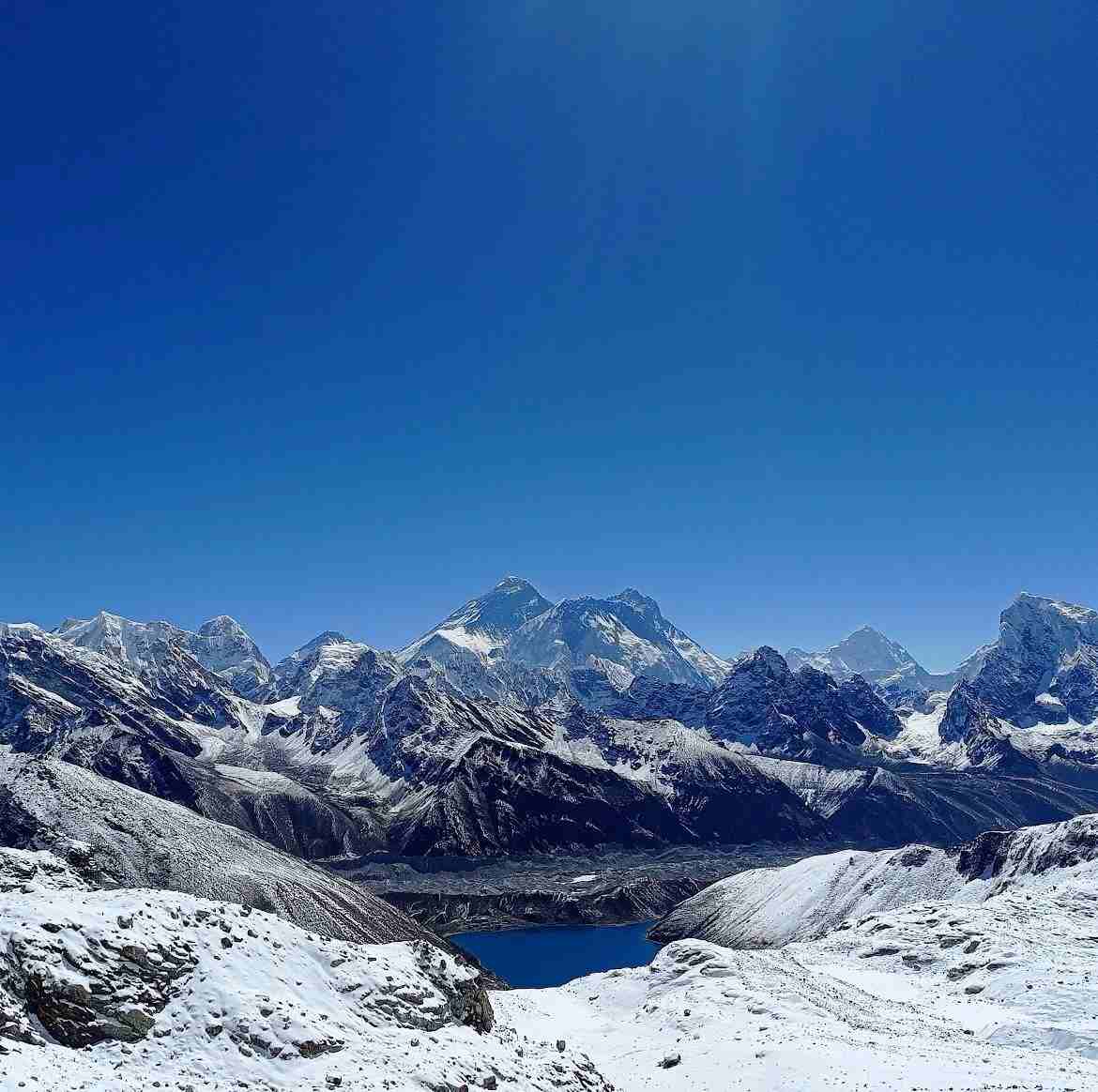
Gokyo Ri is a high viewpoint that stands at an altitude of 5,357 meters. This place is located on the Gokyo Lake trek route. Gokyo Ri viewpoint is famous for its stunning views of the majestic Himalayan peaks, including Mount Everest.
Read More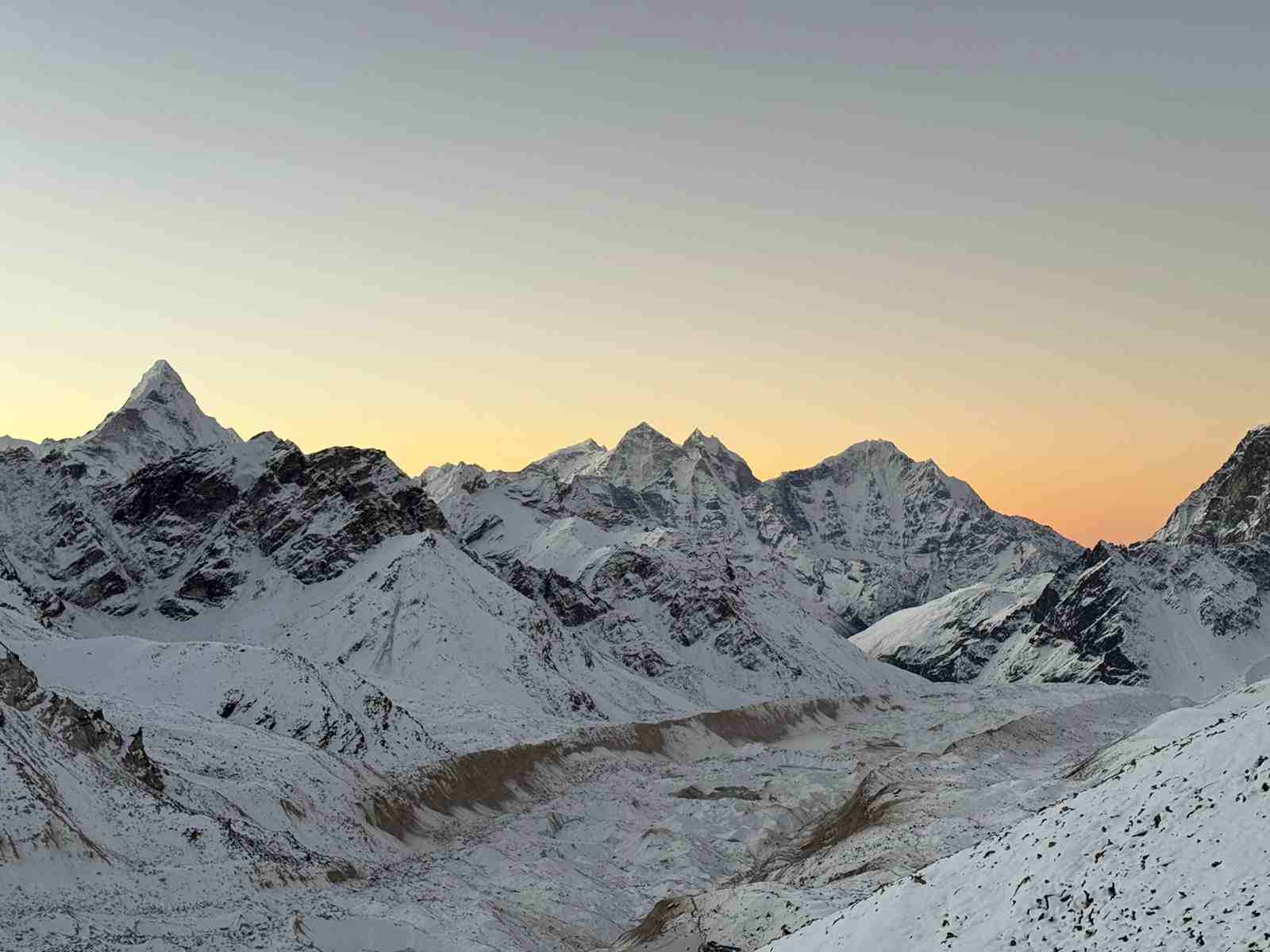
Mount Everest is the tallest mountain in the world, rising to 8,848 meters above sea level. For many people, it represents courage, adventure, and the dream of reaching the highest point on Earth.
Read More
Namche Bazaar is one of the most significant points on the Everest trekking trail. This mountain town is a stop for nearly every trekker who is heading towards Everest Base Camp.
Read More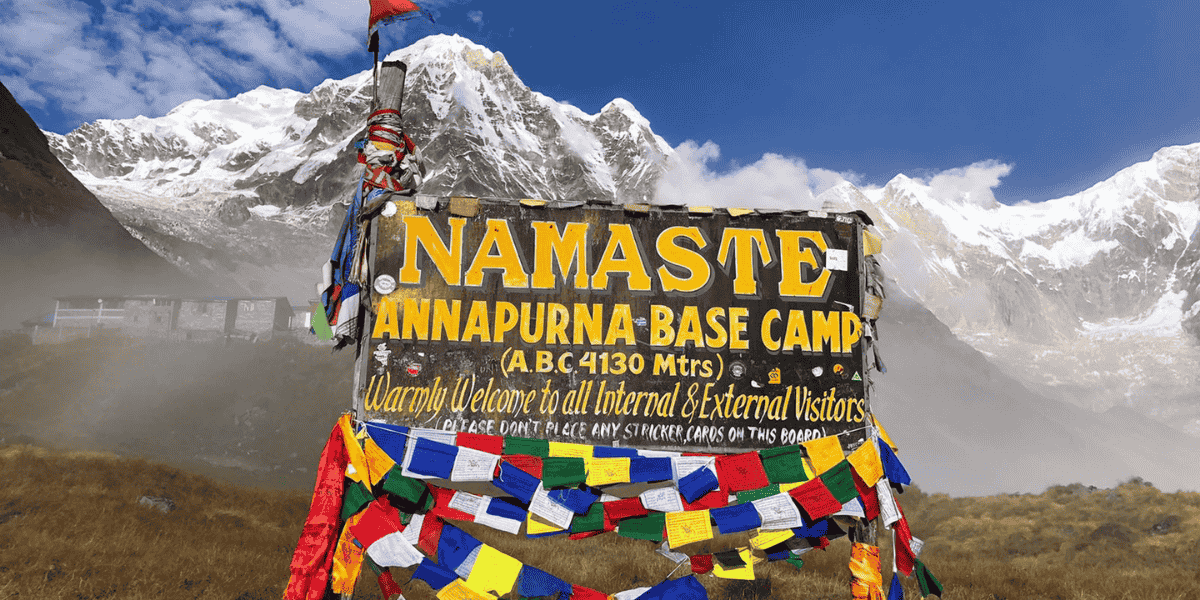
In this blog, we provide information regarding what a trekking permit is and why it matters, which permits are required for the Annapurna circuit trek, its costs, processes and documents. Along with this, we also give some insights about where you can get
Read More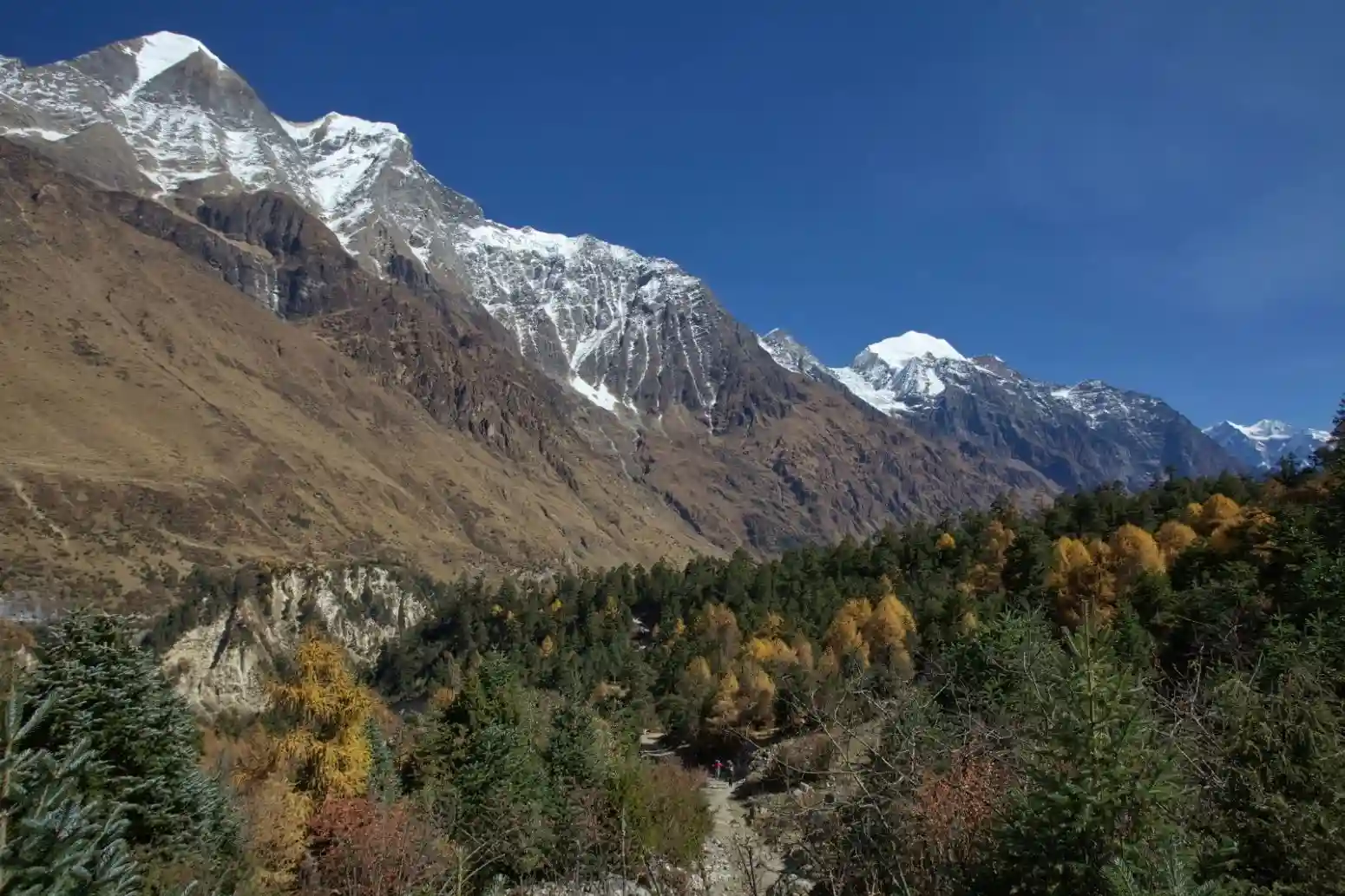
A clear beginner’s guide to the Manaslu Circuit trek: explains the difficulty, Larkya La pass, altitude sickness, best time to go, packing list and practical tips for a safer trek.
Read More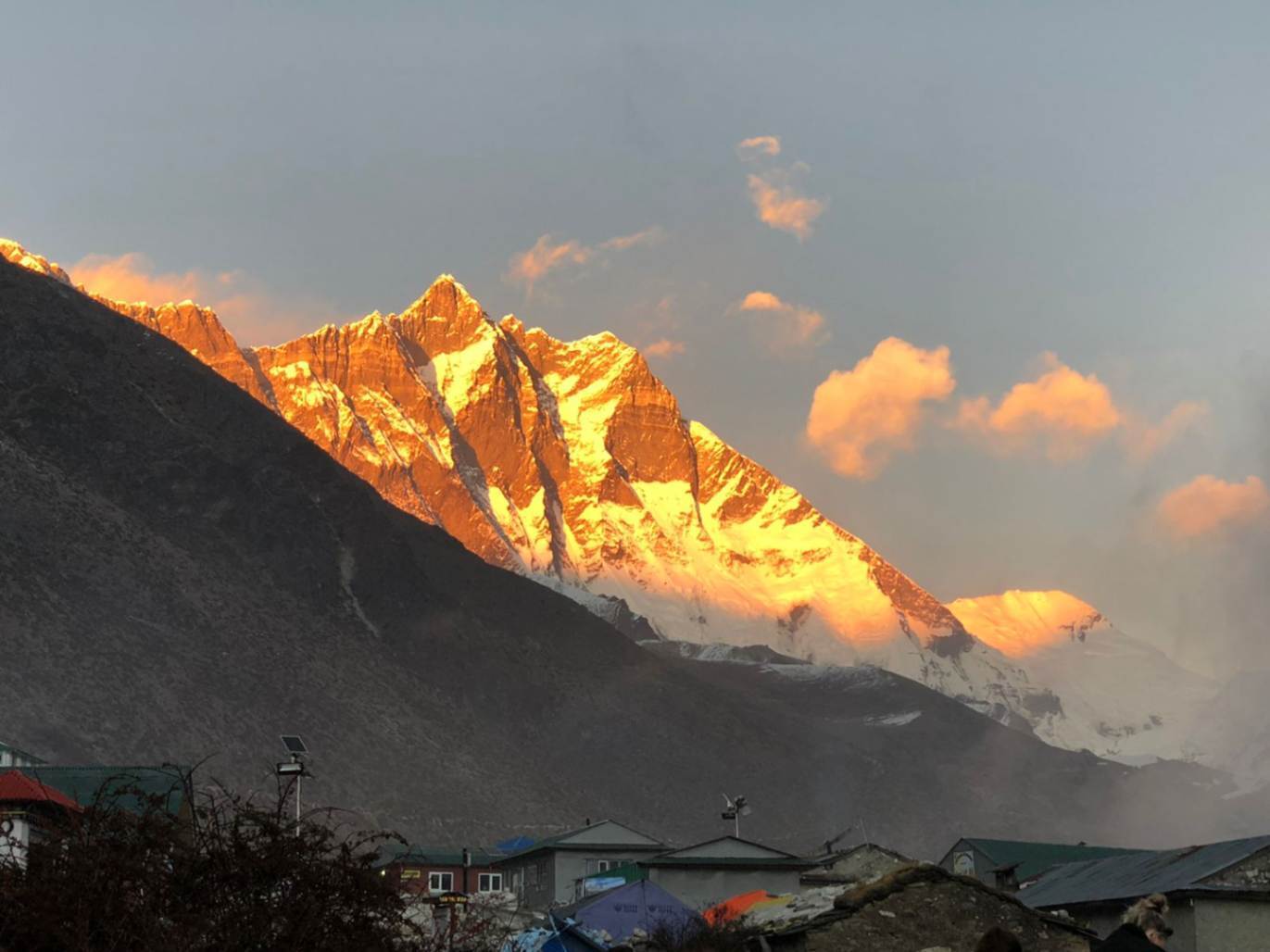
In this blog, we are covering every aspect of what you should know about the Everest Base Camp Trek packing list, such as the altitude of the EBC, the temperatures, why it is important, packing list and what you should avoid.
Read More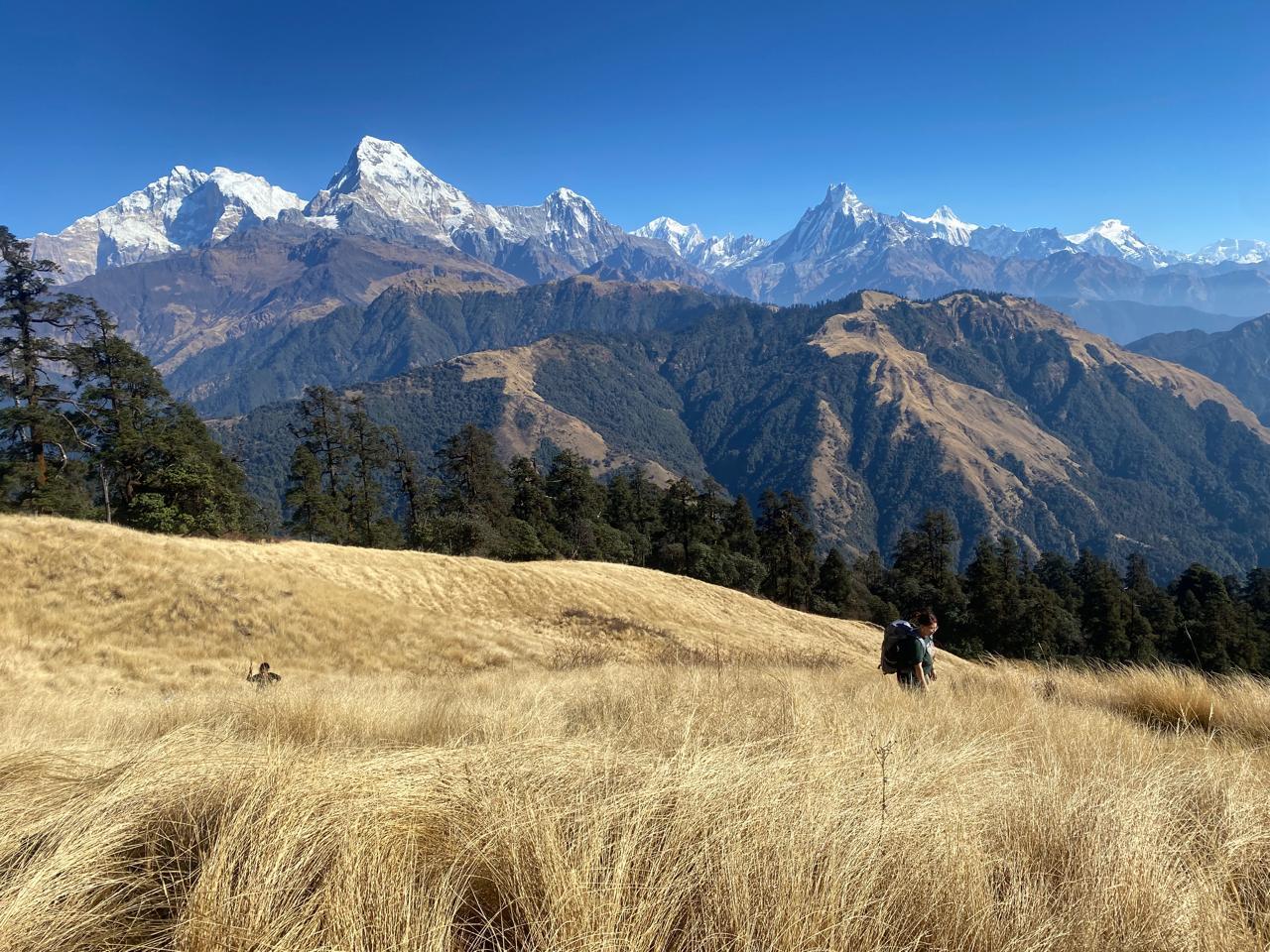
In this blog, you will know about each season in simple terms to help you decide the best season for trekking in Nepal based on your travel style and expectations.
Read More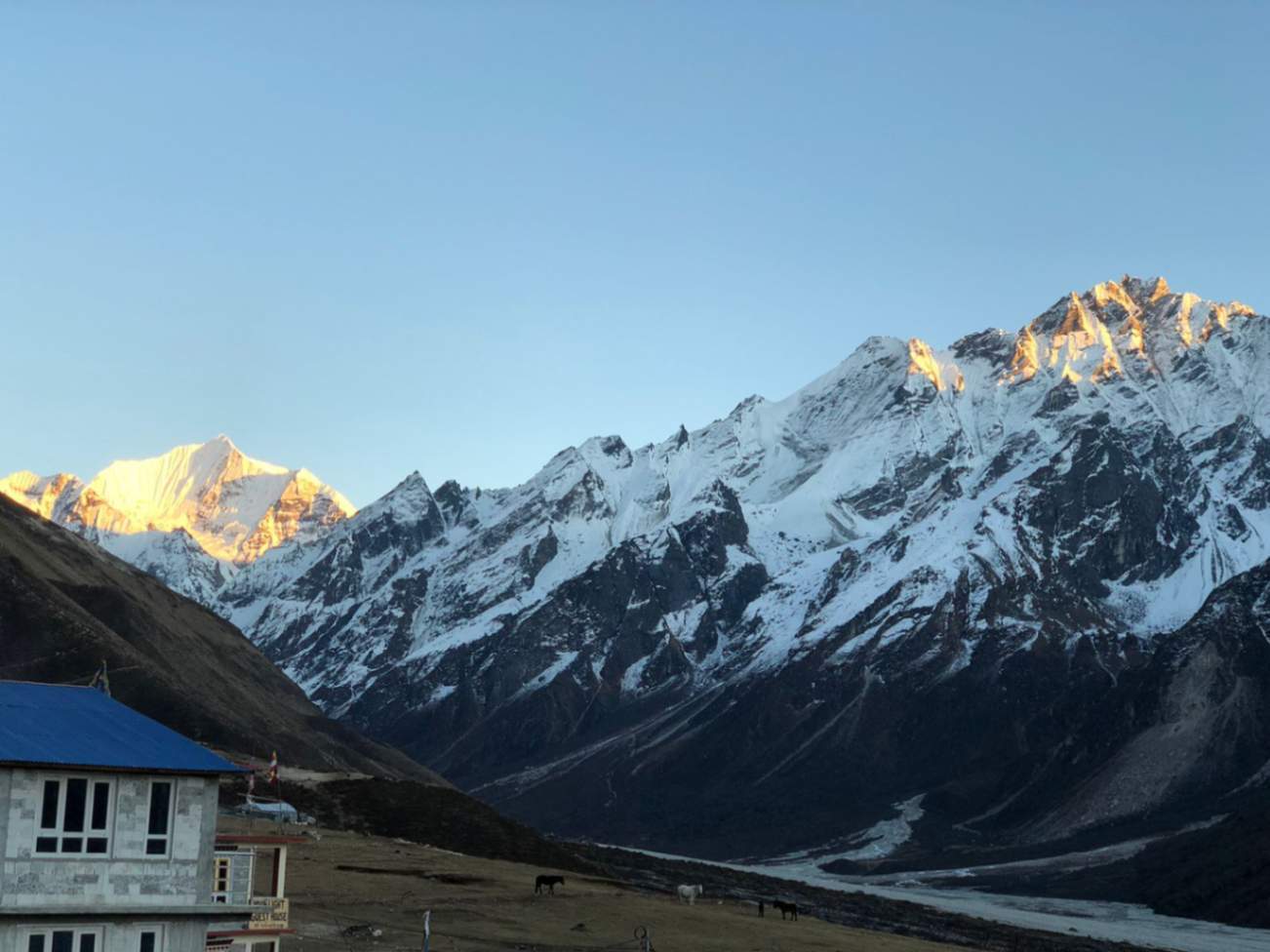
In this blog, we will assist you in selecting the most appropriate trek in Nepal when you are a beginner. You will also get to know when is the best time to have a trek, the basic fitness needs, simple packing tips, and the common pitfalls to avoid so tha
Read More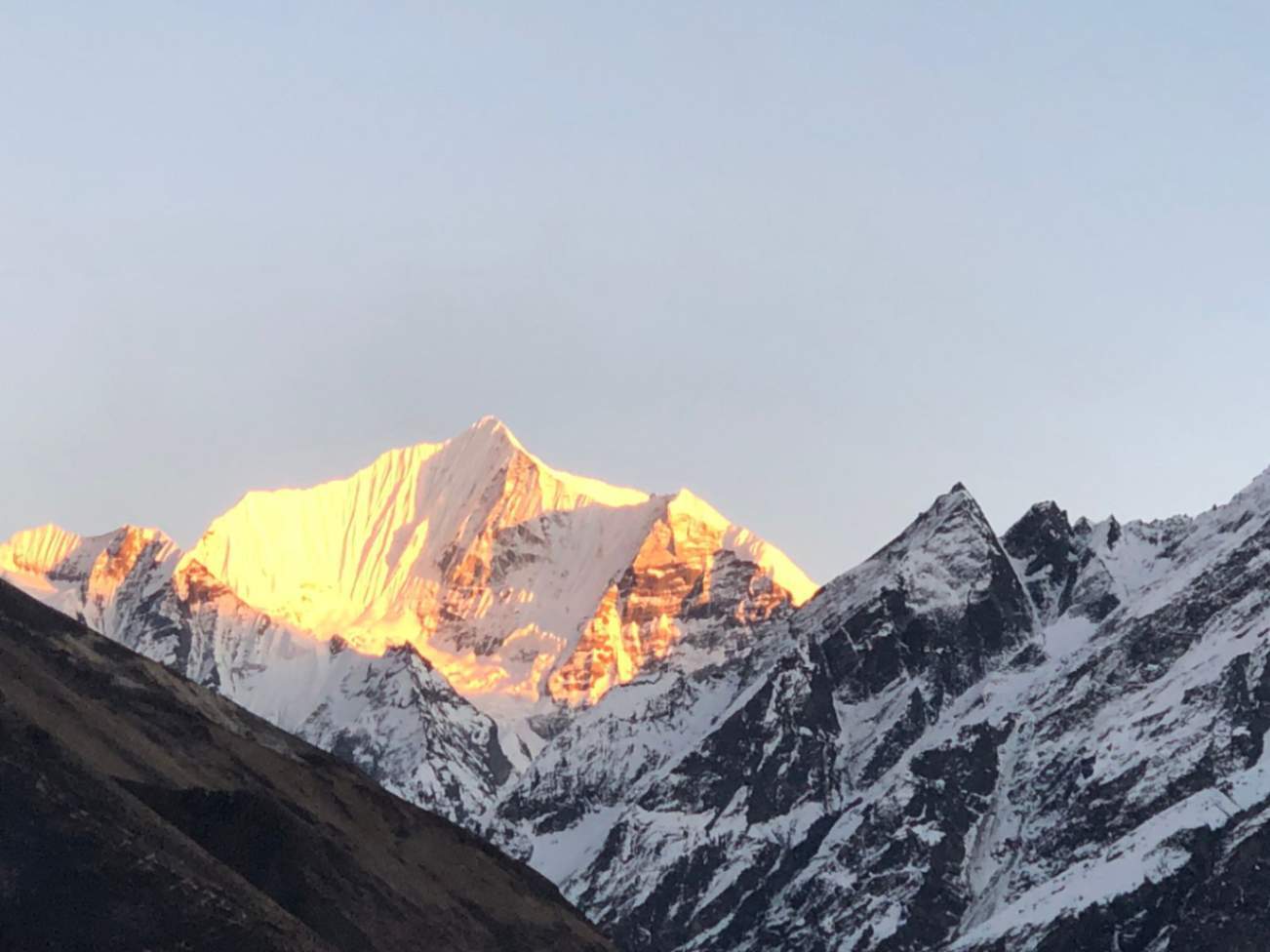
The Kyanjin Gompa trek in Langtang Valley is one of Nepal's most scenic and rewarding journeys, which offers you a blend of natural beauty, culture, and adventure.
Read More
we give you every detail you may require before starting your Annapurna circuit trek. You may also get information regarding the permit requirement, cost information, trek difficulty and tips if you are a beginner.
Read More
we shall discuss Everest Base Camp Elevation and trekking tips to help you understand this trek better while providing some helpful tips to guide you through the process.
Read More
we reveal the most interesting and important Everest Base Camp facts from the unusual culture of the Sherpa people and ancient monasteries on the trail to the physical challenges, altitude realities, and natural wonders you’ll experience.
Read More
we provide you with a guide for Manaslu Circuit Trek including aspects such as top attractions, best seasons, and its difficulty.
Read More
we have provided information regarding choosing the Tsum Valley trek, the best time to visit there, the difficulties and the cost.
Read More