
 namche bazaar
|
namche bazaar
|
 Feb. 6, 2026
|
Feb. 6, 2026
|
 Share to

 Share to
Namche Bazaar is one of the most significant points on the Everest trekking trail. This mountain town is a stop for nearly every trekker who is heading towards Everest Base Camp. Namche Bazaar is located in the middle of the Khumbu region and is not only a place to sleep. It is extremely important to ensure that trekkers adapt to the high altitude, prepare for the difficult trail ahead, and have a safe trip. This is one stop that should not be skipped, as skipping it will make the trek more difficult and increase the risk of altitude-related issues.
In this blog, we discuss why Namche Bazaar is a destination every trekker should not miss, as it makes the Everest trek safer, more comfortable, and more enjoyable. We describe the reasons why Namche Bazaar is a better place to be during an acclimatization and awe-inspiring mountain views, local markets and the Sherpa culture.

Located in the Solukhumbu district of eastern Nepal, Namche Bazaar sits within Sagarmatha National Park. It is approximately 3,440 meters (11,286 feet) above sea level. The town is built in a natural bowl-shaped valley along the Dudh Koshi River, with steep hills and snow-capped mountains.
The first large village on the Everest trekking path is Namche Bazaar, which is accessed by most trekkers after two days of trekking since Lukla. Namche Bazaar is a strategic location, and hence, the natural meeting point of trekkers, guides, porters and the local Sherpas. Namche Bazaar is an important and popular place in the trek of Everest Base Camp, which is characterized by a unique environment.
Serving as the Gateway to Everest, Namche Bazaar sees almost every trekker heading into the region. Main trails such as the Everest Base Camp, Gokyo Lakes, and other high Himalayan routes start or pass through Namche Bazaar. This renders it the primary access point to trekkers who have gone further into the Khumbu region.
Namche Bazaar is also the last big and well-developed town before the trail enters the more remote mountain regions. In this case, trekkers will be able to locate banks, bakeries, trekking equipment stores, internet cafes and rudimentary medical services. Such services play a significant role in rest, preparation, and safety. After Namche, amenities are severely limited, which is why this town is so important on any Everest trek.
One of the most significant reasons to stop in Namche Bazaar is acclimatization. The higher the altitude, the greater the likelihood of altitude sickness due to reduced oxygen concentration. Namche Bazaar is a good location to allow the body to gradually adapt and then proceed to higher altitudes in the mountain. Most trekking itineraries include at least one additional rest day in Namche to acclimatize. Trekkers are also active during this period, making short hikes and returning to sleep at the same altitude. A sufficient stay in Namche allows the body to acclimatize and significantly reduces the risk of altitude-related issues during the rest of the trek.
Namche Bazaar has a number of short and easy hikes that are perfect for acclimatization. Among the most frequented ascents is to the Everest View Hotel, where trekkers can see clear views of Everest, Lhotse, and Ama Dablam on a clear day. Other typical acclimatization activities include tours to the Sherpa Museum and neighboring villages such as Khumjung and Khunde. The walks assist the trekkers to climb to a higher altitude in the day and come back to Namche Bazaar to sleep at a lower altitude. This high-low climbing style allows the body to adapt comfortably to the elevation and acclimate trekkers to the higher sections of the trek.
The first clear, memorable views of the world's highest mountains are available from Namche Bazaar. During clear days, trekkers are able to view well-known peaks like Mount Everest, Lhotse, Nuptse, Thamserku and Kongde Ri. It is particularly beautiful at sunrise and sunset, when the mountains change color. These Himalayan peaks are visible to many trekkers for the first time during Namche Bazaar, and this makes it one of the most memorable experiences during the entire Everest trek.
The Sherpa cultural center is Namche Bazaar. Sherpa people have a long reputation of being good mountaineers, close to the mountains, and they are also very hospitable to the trekkers. When trekkers stay in Namche, they can learn about Sherpa culture, Buddhism, and life in the Himalayas. A visit to the local monasteries, museums and other nearby villages makes the trekkers learn the culture and history of the area and therefore the journey becomes more than a mere trekking experience.
Known for its lively marketplace, Namche Bazaar attracts residents from nearby villages to trade goods. In this case, trekkers can find fresh vegetables, fruits, local cheeses, handicrafts, and exclusive souvenirs. In addition to conventional markets, numerous stores offering trekking equipment, clothing, and daily necessities are available. This makes Namche Bazaar a good place to stop to replace or purchase anything you may have forgotten in Kathmandu or Lukla. Market exploration is also an excellent way to learn about local life and communicate with the Sherpa community.
Namche Bazaar is a well-developed village in the Everest region and offers a variety of amenities for trekkers. Tourists are provided with convenient accommodations, hot showers, electrical outlets, ATMs, bakeries, and pharmacies. It even has a small hospital, rescue and medical services for altitude sickness. These services make Namche Bazaar a secure, comfortable, and friendly place to relax and prepare before continuing into the mountains.
With diverse food options, Namche Bazaar is a place where every trekker can enjoy a meal. You can have traditional Nepali foods, including dal bhat, and local foods, including momos and soups. The teahouses and cafes also abound in large numbers that serve international dishes like pasta, pizza, and fresh bakery products. Trekkers should have good food and warm meals so that they can rest, rejuvenate and keep healthy before they continue their journey up the Everest trail.
There are a number of interesting places in Namche Bazaar that provide more insight into the area to the trekkers. The Sherpa Culture Museum, the Sagarmatha National Park Museum, Namche Monastery, and other surrounding villages such as Khumjung and Khunde are the main attractions. These places provide information on the history, culture, and lifestyle of the Sherpa people, as well as the wildlife and natural features of the Khumbu Valley. This is because you should not leave Namche Bazaar without visiting them.

Namche Bazaar is best visited during the spring (March to May) and autumn (September to November) trekking seasons. These months are usually stable in the weather and the skies are clear, and the Himalayan mountain views are at their best. These seasons are the best times to go trekking because the weather is moderate and there is less risk of rain or snow.
The winter (December to February) may be very cold, and snow at higher altitudes is very heavy and therefore trekking is not easy. During the monsoon (June to August), it is likely to rain and the trails become slippery. The mountains are cloudy, and hence the visibility is reduced and the trek more challenging. Visiting Namche Bazaar in spring or autumn ensures safer trekking conditions and the best experience.
Even though Namche Bazaar is a necessary and convenient location to stay, it also may have its challenges. The high altitudes may cause some trekkers to develop mild cases of altitude sickness including headaches, fatigue or shortness of breath.
It is also more expensive in terms of food, drinks and accommodation compared to other villages at lower altitudes like Lukla. Also, Namche Bazaar tends to be busy during spring and fall when trekking season is at its peak, and trails are full of people, and lodges are full. Nevertheless, Namche is a safe and valuable destination on the Everest trek, and with proper planning and acclimatization, it is a safe and enjoyable place to visit.
Namche Bazaar is a key place to rest and acclimatize, but it is also important to take care of your body. There are easy tips and tricks that will make your stay safer and more pleasant. The following are some of the practical pieces of advice to trekkers:
These are just some of the tips to help you acclimate comfortably and make your stay in Namche Bazaar more comfortable and enjoyable.
Missing Namche Bazaar can make your Everest trek much more difficult and dangerous. By not spending time here, your body has less opportunity to acclimatize, which increases the risk of altitude sickness. You would also be deprived of breathtaking mountain scenery, Sherpa culture, local markets, and basic amenities such as lodges, medical care, and shops.
Namche Bazaar is not merely a rest point; it is a way to get your body and mind ready for the more difficult and higher parts of the trek. Making the time to stay here makes your journey not only safer but also more comfortable and pleasant.
Namche Bazaar is not merely a stop on the Everest trekking trail. It is where one can rest, acclimatize, and enjoy the rich culture of the Sherpa people. The beautiful mountain views, the necessary facilities, and the local flavor of Namche Bazaar make it a place where the trekkers are physically and mentally ready to move up to higher heights on their journey. You will have a more pleasant and memorable time walking here.
In the event that you desire to have the best in the Everest region, then the best company is Destiny Excursion. As the best travel and trekking company in Nepal, we provide expert guidance, comfortable accommodations, and safe itineraries. You can spend your days in Namche Bazaar and the whole Everest trek with us as we guarantee you that you will have the best moments of your adventure and that it will be hassle-free and memorable. We will make your experience in the Himalayas really remarkable.
Check out our complete Everest Base Camp trek packing list to make sure you have everything you need for a safe and comfortable trek.
Most trekkers spend two days, with one day for acclimatisation, but you can stay for only one day as well as it is adequate for acclimatization and hiking around nearby spots. This helps the body adapt to high altitude. Others can spend an additional day sightseeing or make brief hikes.
Yes, there are numerous stores where one can purchase or hire trekking equipment such as jackets, boots, and walking poles. Supplies that you might have forgotten can be found in Kathmandu or Lukla.
Yes, Namche Bazaar is beginner-friendly and it has facilities and acclimatization options. Lodges, restaurants, and short hikes are made safe and comfortable, and then proceed higher.

Ghandruk is a very beautiful village in the Annapurna region of Nepal. This village is popular because of the Gurung culture and lifestyle along with their traditions and natural beauty.
Read More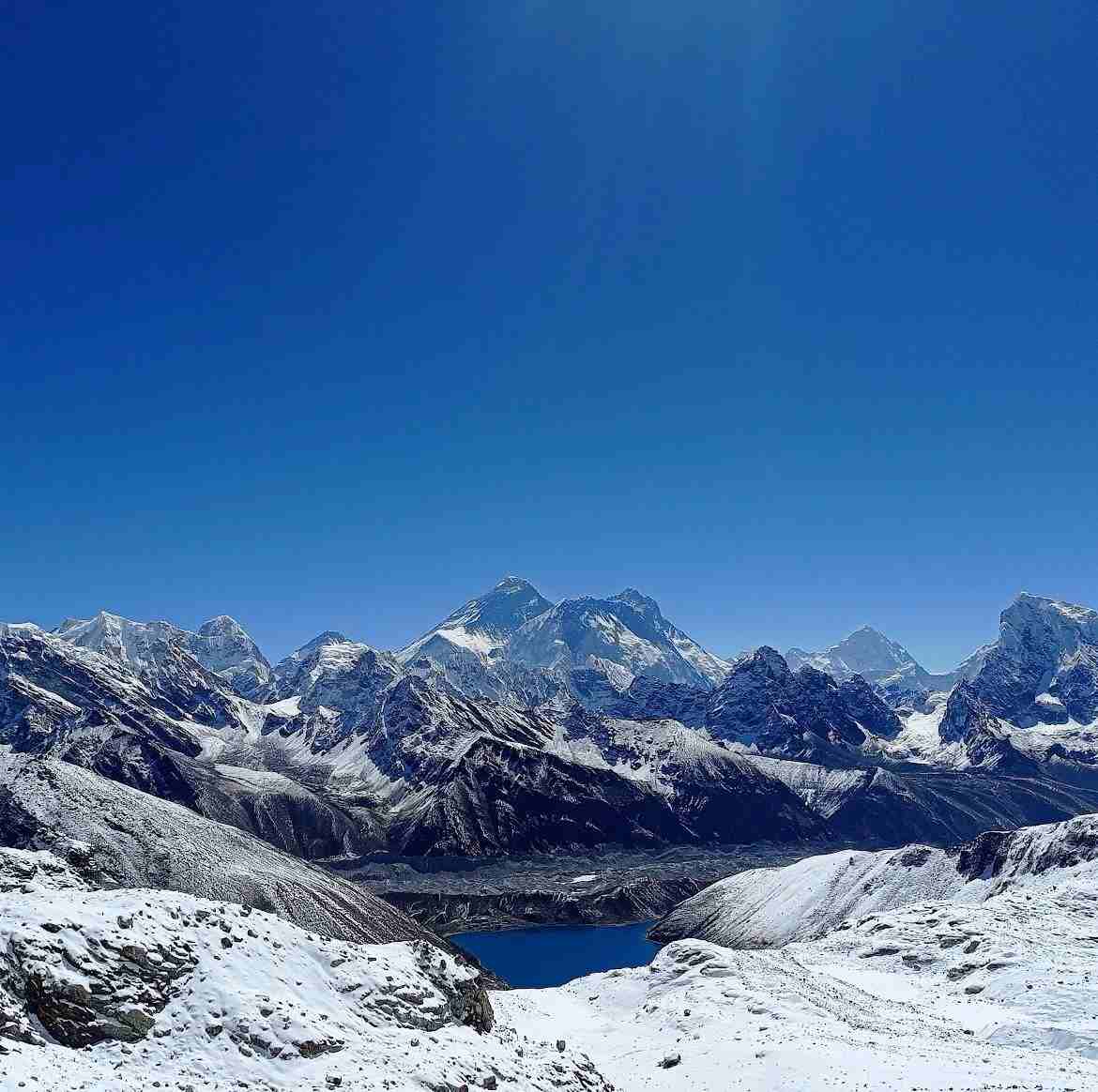
Gokyo Ri is a high viewpoint that stands at an altitude of 5,357 meters. This place is located on the Gokyo Lake trek route. Gokyo Ri viewpoint is famous for its stunning views of the majestic Himalayan peaks, including Mount Everest.
Read More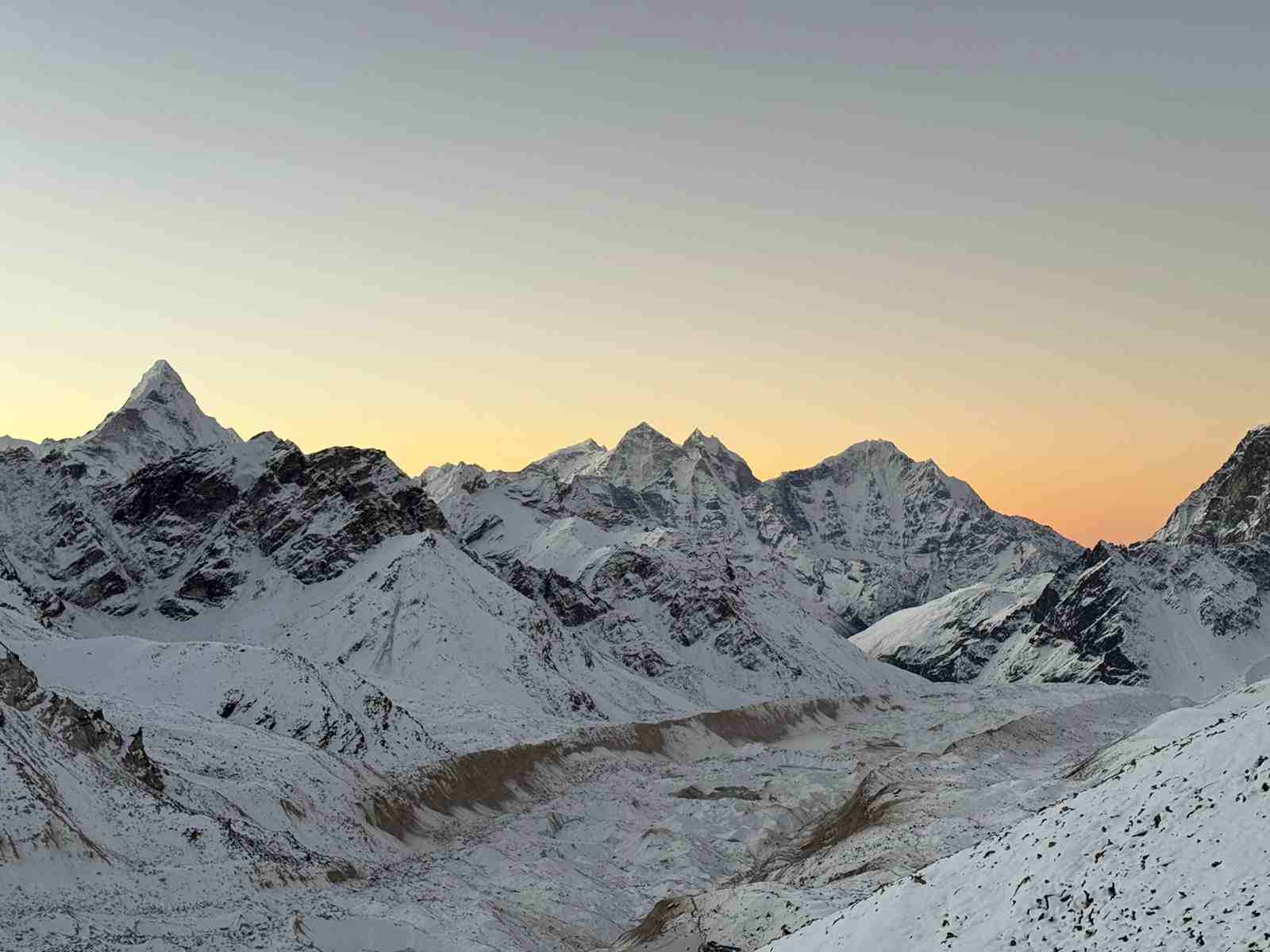
Mount Everest is the tallest mountain in the world, rising to 8,848 meters above sea level. For many people, it represents courage, adventure, and the dream of reaching the highest point on Earth.
Read More
Langtang Lirung (7,234 meters) is the highest peak in the Langtang Himalayan range of Nepal. The mountain stands on the northern side of the famous Langtang Valley and lies southwest of Mount Shishapangma in Tibet. It separates the Sun Koshi Valley to the
Read More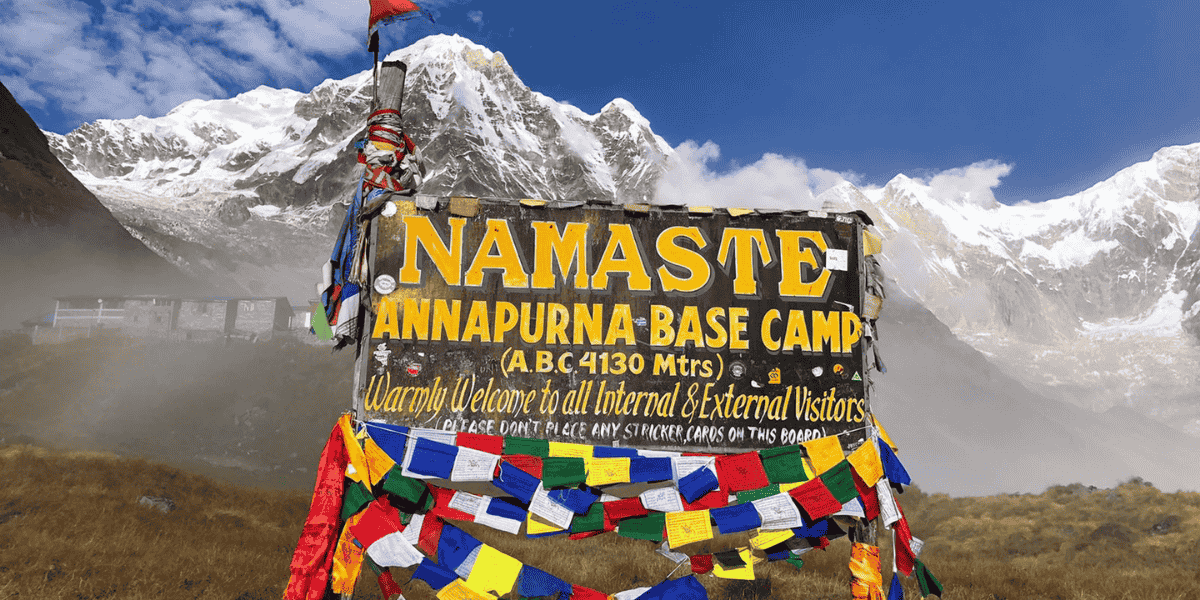
In this blog, we provide information regarding what a trekking permit is and why it matters, which permits are required for the Annapurna circuit trek, its costs, processes and documents. Along with this, we also give some insights about where you can get
Read More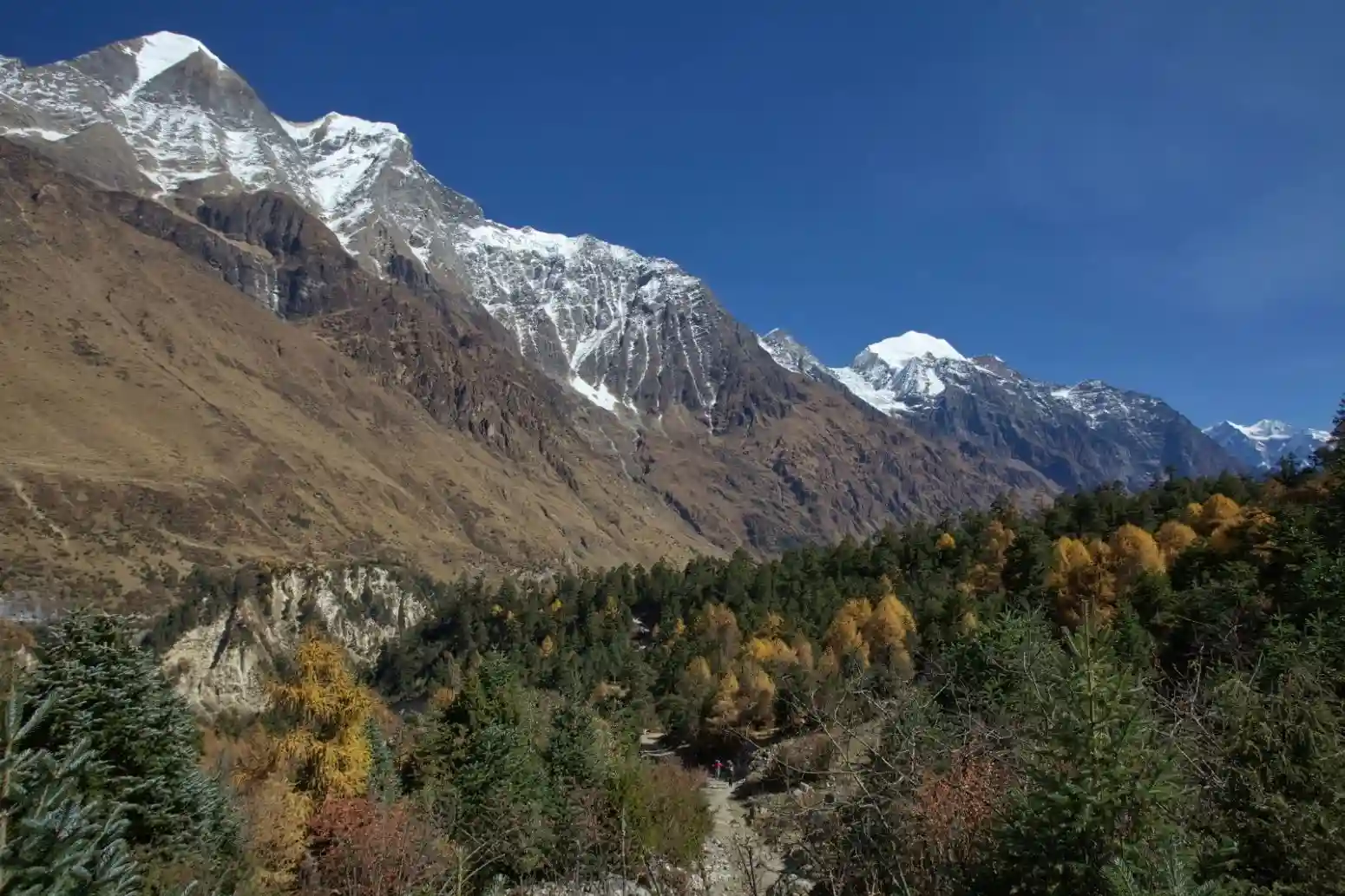
A clear beginner’s guide to the Manaslu Circuit trek: explains the difficulty, Larkya La pass, altitude sickness, best time to go, packing list and practical tips for a safer trek.
Read More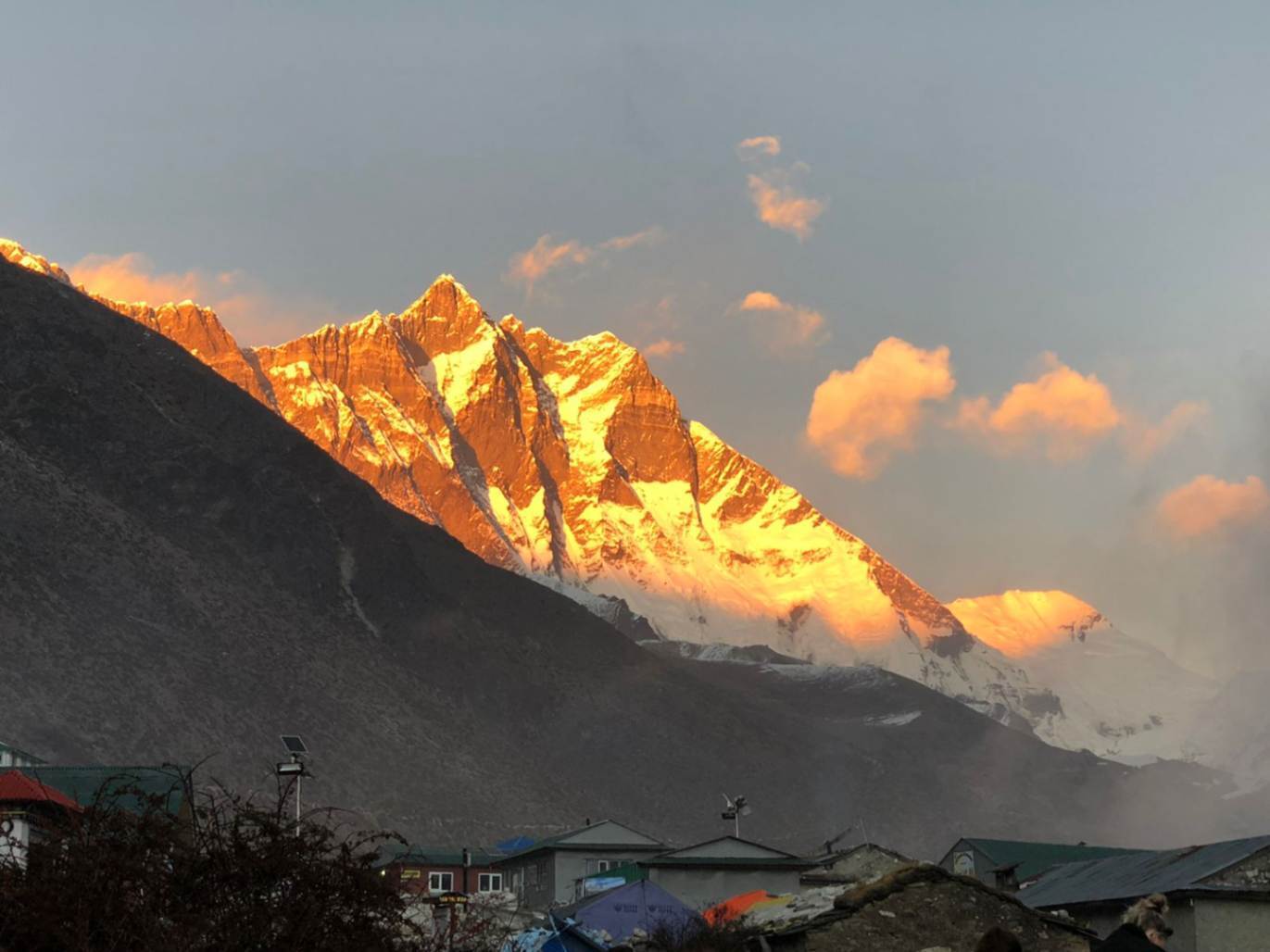
In this blog, we are covering every aspect of what you should know about the Everest Base Camp Trek packing list, such as the altitude of the EBC, the temperatures, why it is important, packing list and what you should avoid.
Read More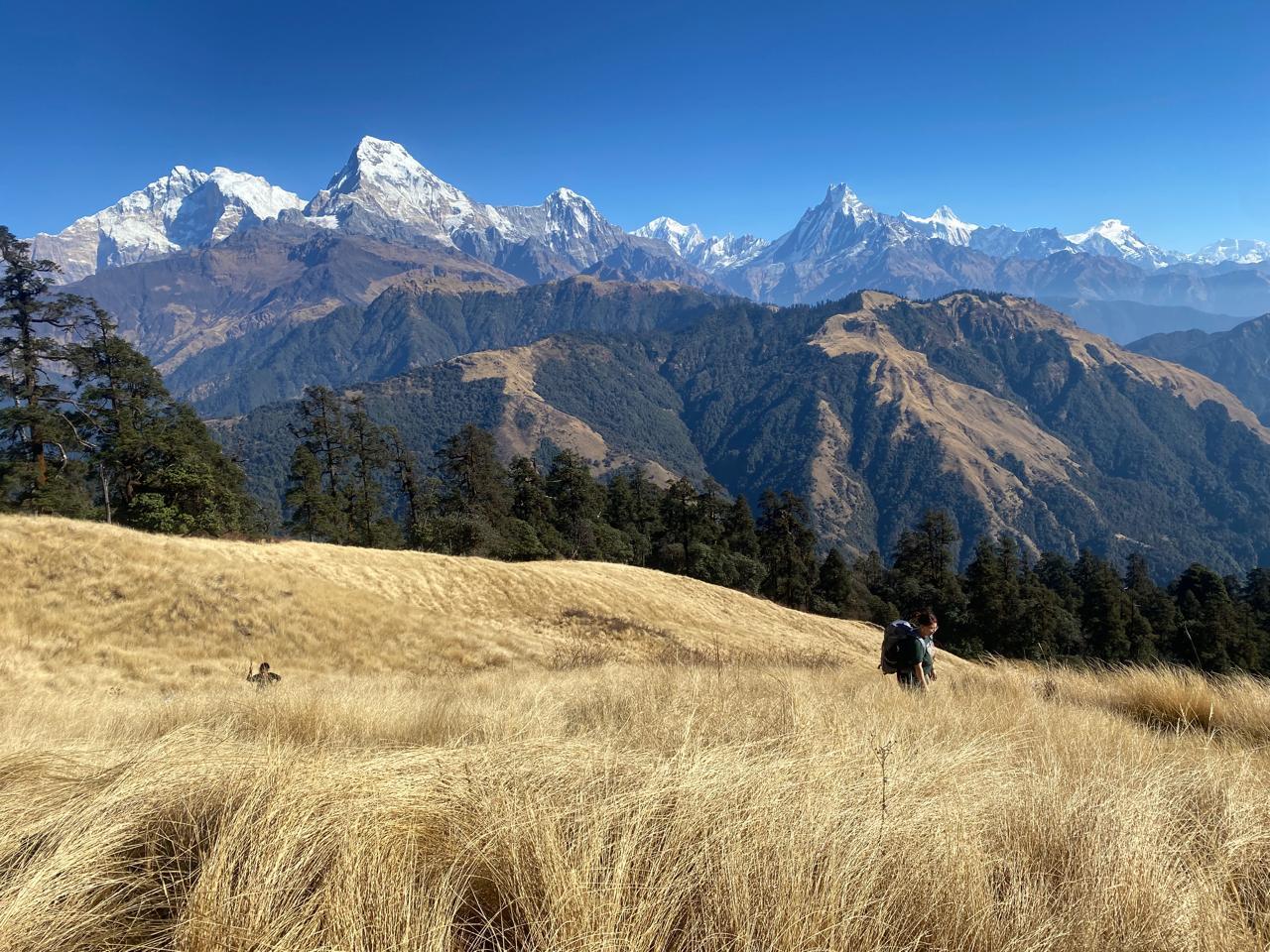
In this blog, you will know about each season in simple terms to help you decide the best season for trekking in Nepal based on your travel style and expectations.
Read More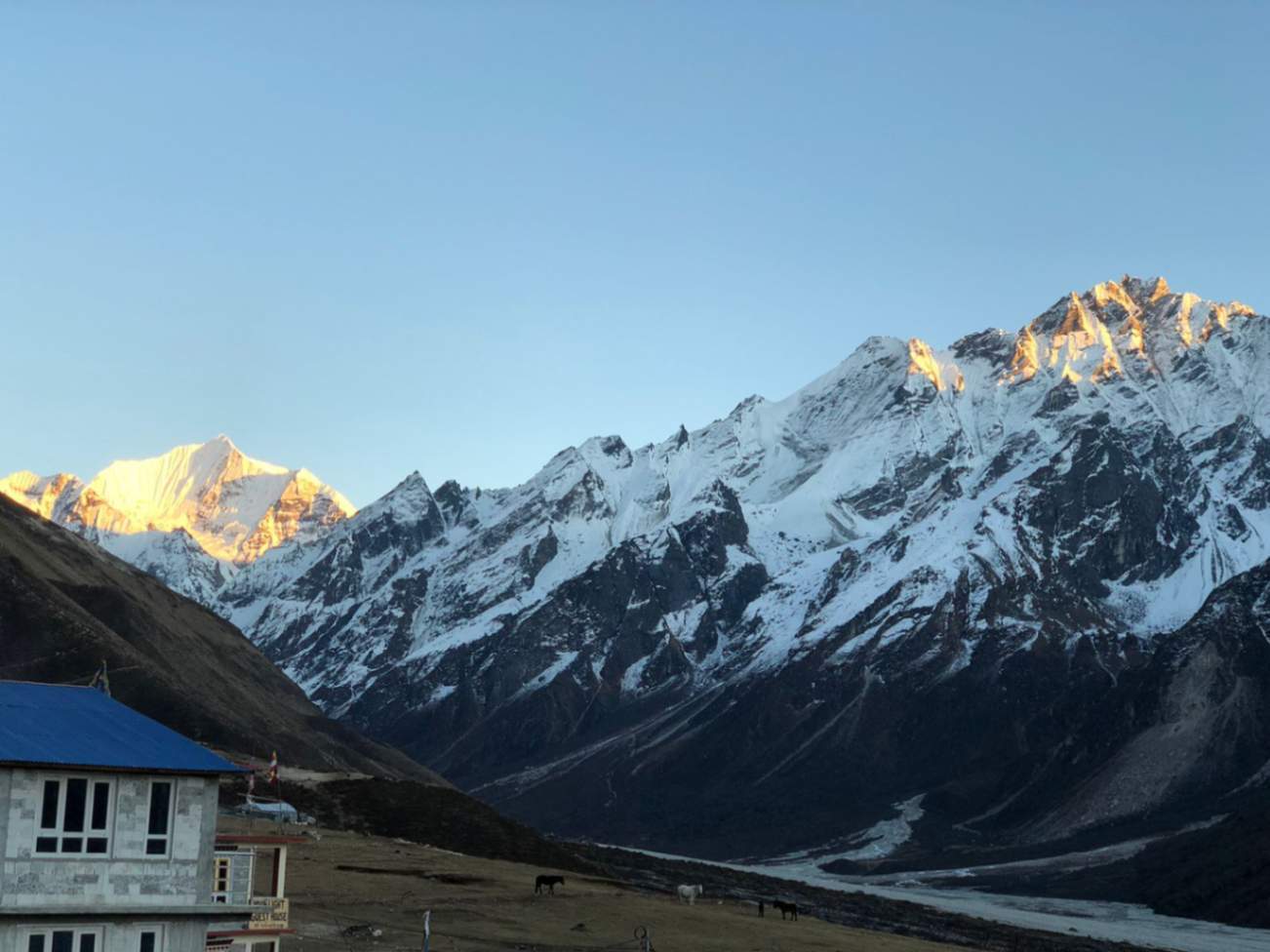
In this blog, we will assist you in selecting the most appropriate trek in Nepal when you are a beginner. You will also get to know when is the best time to have a trek, the basic fitness needs, simple packing tips, and the common pitfalls to avoid so tha
Read More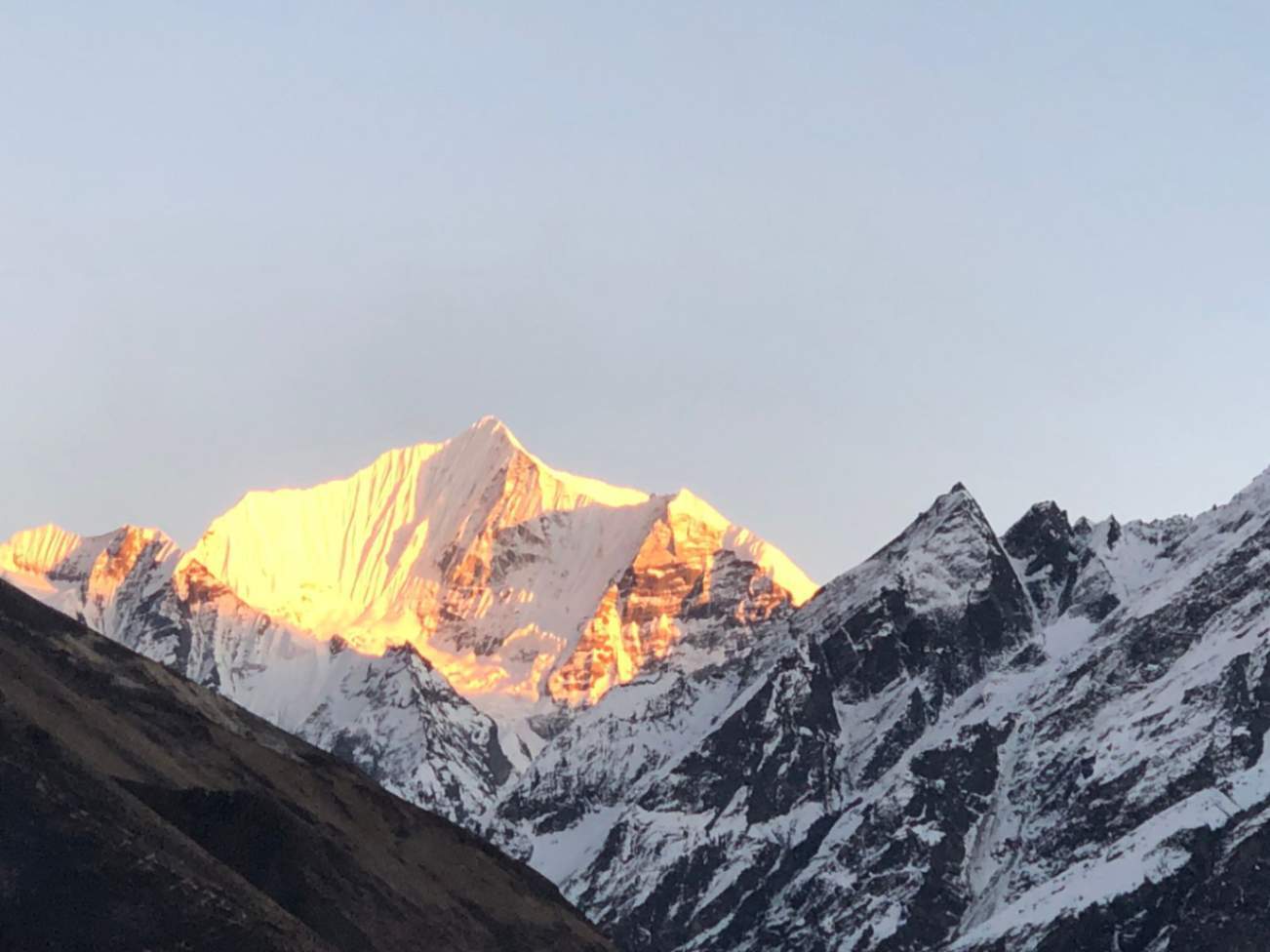
The Kyanjin Gompa trek in Langtang Valley is one of Nepal's most scenic and rewarding journeys, which offers you a blend of natural beauty, culture, and adventure.
Read More
we give you every detail you may require before starting your Annapurna circuit trek. You may also get information regarding the permit requirement, cost information, trek difficulty and tips if you are a beginner.
Read More
we shall discuss Everest Base Camp Elevation and trekking tips to help you understand this trek better while providing some helpful tips to guide you through the process.
Read More
we reveal the most interesting and important Everest Base Camp facts from the unusual culture of the Sherpa people and ancient monasteries on the trail to the physical challenges, altitude realities, and natural wonders you’ll experience.
Read More
we provide you with a guide for Manaslu Circuit Trek including aspects such as top attractions, best seasons, and its difficulty.
Read More
we have provided information regarding choosing the Tsum Valley trek, the best time to visit there, the difficulties and the cost.
Read More