 None
|
None
|
 Feb. 9, 2026
|
Feb. 9, 2026
|
 Share to

 Share to
Mount Everest is the tallest mountain in the world, rising to 8,848 meters above sea level. For many people, it represents courage, adventure, and the dream of reaching the highest point on Earth. Climbers from around the world travel to Everest hoping to stand on its summit and experience a once-in-a-lifetime moment. However, Everest is also extremely dangerous, especially in the death zone, which begins above 8,000 meters. In this area, oxygen levels are very low, temperatures are freezing, and the human body struggles to survive. One of the most emotional stories from Everest is that of Francys Arsentiev, known as the Sleeping Beauty of Mount Everest.
In 1998, she attempted to climb Everest driven by determination, courage, and the dream of success. Sadly, during the descent, she became weak due to exhaustion, cold, and lack of oxygen. Despite rescue attempts, she could not survive the harsh conditions. The Francys Arsentiev Everest story is heartbreaking but important. Her story reminds us that Everest is not only a mountain of dreams but also a place where risks are real, and the cost of chasing those dreams can be very high. The Francys Arsentiev Everest story is heartbreaking but important. It reminds us that places like Rainbow Valley are beautiful yet unforgiving. Everest is not only a mountain of dreams, but also a place where risks are real, and the price of chasing those dreams can sometimes be very high.

Rainbow Valley is one of the most dangerous areas on Mount Everest and is often linked with the mountain’s death zone. It is located at an altitude of over 26,000 feet (8,000 meters), where the air becomes extremely thin. At this height, the human body cannot survive for long without supplemental oxygen. Every breath feels difficult, and even simple movements require great effort. Rainbow Valley lies close to the summit, between the South Col and the top of Everest. Climbers reach this area after many hours of hard climbing, usually when they are already exhausted.
Oxygen levels here are less than one-third of what they are at sea level, which affects thinking, balance, and decision-making. Because of this, climbers can easily become confused or weak. The area is also known for its extreme cold, with temperatures dropping well below freezing, even during the climbing season. Strong winds, icy slopes, and narrow paths make movement slow and risky. The name “Rainbow Valley” comes from the brightly colored climbing suits, gear, and equipment scattered across the area, often left behind by climbers who could not make it back. Because of these harsh conditions, Rainbow Valley is considered one of the most challenging and dangerous sections of Mount Everest.
Francys Arsentiev is known as the Sleeping Beauty of Mount Everest. She was an American climber who died in May 1998 while descending from the summit of Everest. Her body was later found high on the mountain, where she appeared calm and still, which led climbers to give her the name “Sleeping Beauty.” Francys became well known around the world because she was the first American woman to reach the summit of Mount Everest without using supplemental oxygen. This was a major achievement in mountaineering and showed her strong determination and climbing skills.
During the descent, Francys became extremely exhausted and weak due to the cold, lack of oxygen, and long hours of climbing. She became separated from her husband, and without enough strength to continue, she could not survive the harsh conditions of the mountain. Her story deeply affected people around the world. It showed both the courage needed to climb Everest and the serious dangers that come with it. Francys Arsentiev’s life and death remind us that Mount Everest is unpredictable and unforgiving, even for skilled and determined climbers. Her memory lives on as a symbol of bravery and the high risks of climbing at extreme altitudes.
Francys Arsentiev, known as the Sleeping Beauty of Mount Everest, died during her descent from the mountain. She had successfully reached the summit but faced serious trouble while coming down. Descending Everest is often more dangerous than climbing up, especially in the death zone, where the body is already weak from lack of oxygen. During the descent, Francys and her husband, Sergei Arsentiev, encountered severe weather conditions, including strong winds and extreme cold. At some point, they became separated, which made the situation even more dangerous. Francys was left alone high on the mountain, extremely exhausted and suffering from oxygen deprivation. Several climbers tried to help her over the following days, but the harsh weather, freezing temperatures, and her weak condition made rescue impossible.

Francys Arsentiev, died during her descent from the mountain on May 23, 1998. She had successfully reached the summit but faced serious trouble while coming down. Descending Everest is often more dangerous than climbing up, especially in the death zone, where the body is already weak from lack of oxygen. During the descent, Francys and her husband, Sergei Arsentiev, encountered severe weather conditions, including strong winds and extreme cold. At some point, they became separated, which made the situation even more dangerous.
Francys was left alone high on the mountain, extremely exhausted and suffering from oxygen deprivation. Several climbers tried to help her over the following days, but the harsh weather, freezing temperatures, and her weak condition made rescue impossible. It is believed that Francys slipped or collapsed near a steep and icy section of the mountain, possibly close to the Second Step, where she remained exposed to the cold. She likely died from a combination of hypothermia, exhaustion, and lack of oxygen. The exact cause of her death was never officially confirmed, but her story remains one of Everest’s most tragic reminders of the dangers of high-altitude climbing.
The body of Francys Arsentiev, was recovered in 2007 as part of a special effort called the “Tao of Everest” campaign. This mission was led by Cathy O’Dowd and her husband Ian Woodall, both experienced climbers. The main goal of the campaign was to give Francys a more dignified resting place and remove her body from a highly visible area on the mountain. During this mission, other deceased climbers, including David Sharp, were also respectfully moved or covered. (The case of Green Boots was handled separately at a different time.)
The story behind this campaign is deeply emotional. In May 1998, Cathy O’Dowd and Ian Woodall were on Everest during another expedition. While climbing, they came across Francys Arsentiev, who was severely weak, barely conscious, and unable to move on her own. The couple stopped their climb and tried to help her, but harsh weather, extreme altitude, and her condition made rescue impossible. They were forced to descend to save their own lives. Years later, still affected by that moment, Ian Woodall helped lead the mission to recover Francys’s body, bringing her story to a more peaceful end.
The main cause of death in Rainbow Valley on Mount Everest is problems related to high altitude. This area lies above 8,000 meters, also known as the death zone, where the air contains very little oxygen. At this height, the human body cannot function normally, even with strong physical fitness. One of the most common dangers is hypoxia, which means a lack of oxygen in the body. This can lead to serious conditions such as High-Altitude Cerebral Edema (HACE) and High-Altitude Pulmonary Edema (HAPE).
HACE happens when fluid builds up in the brain, causing confusion, loss of balance, and unusual behavior. HAPE occurs when fluid fills the lungs, making breathing extremely difficult and sometimes leading to coughing up blood. These altitude-related illnesses can develop very quickly and become life-threatening if climbers do not descend immediately or receive extra oxygen. Climbers in Rainbow Valley also face other deadly risks. These include extreme cold, strong winds, frostbite, hypothermia, exhaustion, slips on icy slopes, and falling rocks or avalanches.
Mount Everest is the highest and one of the most challenging mountains in the world. While it represents adventure, courage, and human ambition, it also reminds climbers of the risks involved in high-altitude mountaineering. Areas like Rainbow Valley, located above 8,000 meters, are extremely dangerous due to thin air, freezing temperatures, and harsh weather. Even experienced climbers can face life-threatening situations, and many have lost their lives in this region. The story of Francys Arsentiev, the Sleeping Beauty of Mount Everest, shows how even strong and determined climbers can fall victim to the mountain’s extreme conditions.
Her courage to climb without supplemental oxygen was remarkable, but her tragic death highlights the risks every climber faces in the death zone. Stories from Rainbow Valley remind us that Everest demands respect, careful planning, and responsible decisions. Choosing experienced guides and the best travel and tourism company in Nepal can make a significant difference in safety and preparation for high-altitude adventures. While many climbers achieve their dream of reaching the summit, others like Francys Arsentiev and Tsewang Paljor remind us of the high cost ambition can demand in the world’s harshest environment. For more information about trekking in Nepal, feel free to check our other blogs.
The Sleeping Beauty refers to a deceased climber believed to be Tsewang Paljor, who died during the 1996 Everest expedition on the North Side. His body was found near Rainbow Valley in a calm, seated position. Because he appeared peaceful, climbers began calling him the Sleeping Beauty.
No, the body of Sleeping Beauty is no longer visible on Mount Everest. Around 2014, it is believed that cleanup teams or authorities moved or covered the body to maintain respect and improve safety for climbers passing through the area.
There are no confirmed or recorded last words of the climber known as Sleeping Beauty. Many quotes shared online are based on rumors or stories without proof. Reliable expedition reports do not mention any final messages or communications from him before his death.
Rainbow Valley gets its name from the brightly colored climbing suits, ropes, oxygen bottles, and gear scattered across the area. These items stand out against the white snow and dark rocks, creating a rainbow-like appearance that gave the area its name.
The Sleeping Beauty was located on the North Side of Mount Everest, near Rainbow Valley, just below the summit ridge. This area lies in the death zone above 8,000 meters. Today, the body is no longer visible in that location.

Ghandruk is a very beautiful village in the Annapurna region of Nepal. This village is popular because of the Gurung culture and lifestyle along with their traditions and natural beauty.
Read More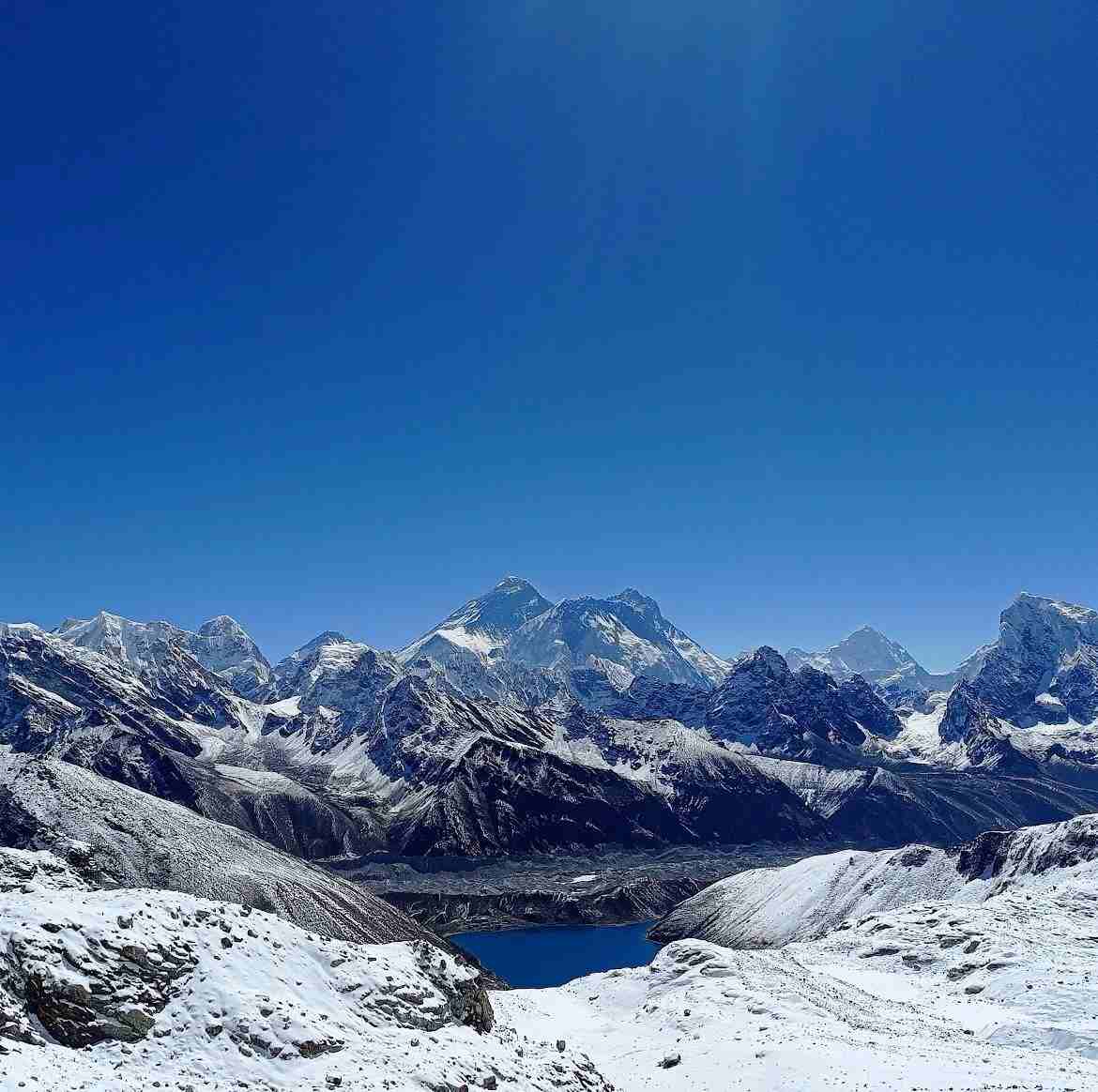
Gokyo Ri is a high viewpoint that stands at an altitude of 5,357 meters. This place is located on the Gokyo Lake trek route. Gokyo Ri viewpoint is famous for its stunning views of the majestic Himalayan peaks, including Mount Everest.
Read More
Namche Bazaar is one of the most significant points on the Everest trekking trail. This mountain town is a stop for nearly every trekker who is heading towards Everest Base Camp.
Read More
Langtang Lirung (7,234 meters) is the highest peak in the Langtang Himalayan range of Nepal. The mountain stands on the northern side of the famous Langtang Valley and lies southwest of Mount Shishapangma in Tibet. It separates the Sun Koshi Valley to the
Read More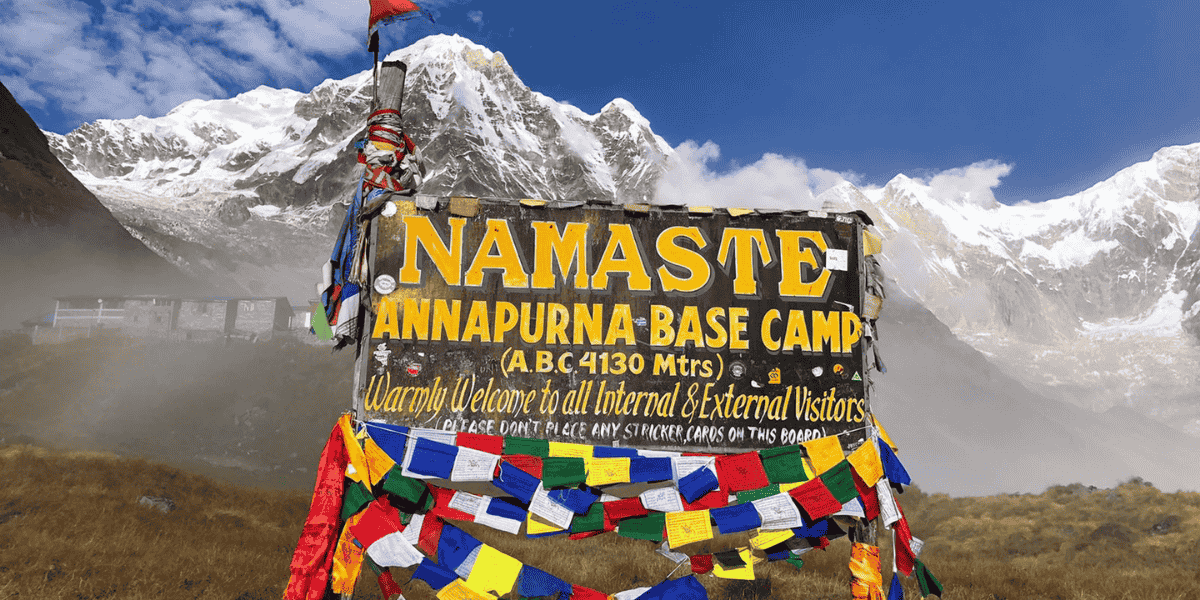
In this blog, we provide information regarding what a trekking permit is and why it matters, which permits are required for the Annapurna circuit trek, its costs, processes and documents. Along with this, we also give some insights about where you can get
Read More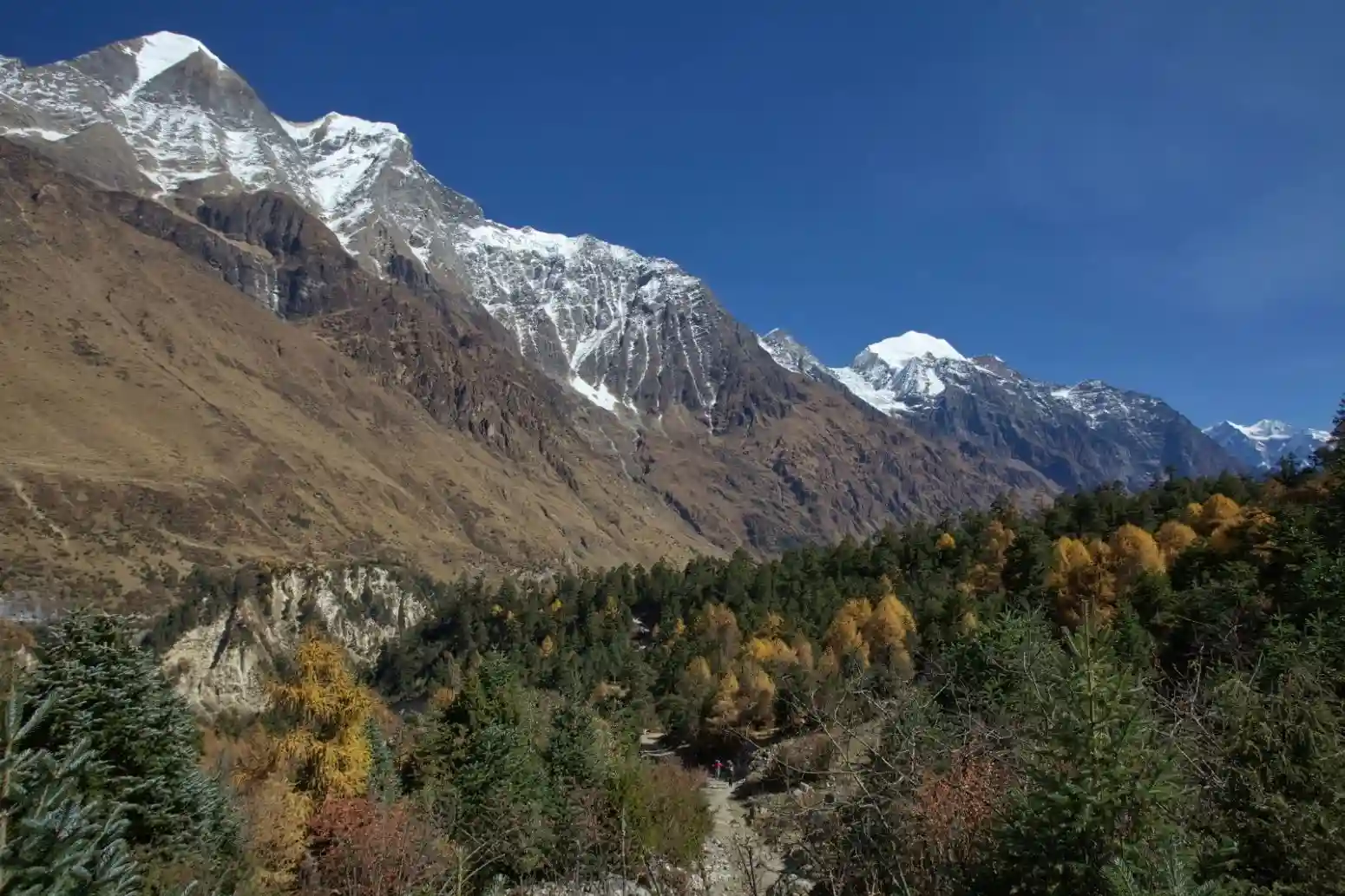
A clear beginner’s guide to the Manaslu Circuit trek: explains the difficulty, Larkya La pass, altitude sickness, best time to go, packing list and practical tips for a safer trek.
Read More
In this blog, we are covering every aspect of what you should know about the Everest Base Camp Trek packing list, such as the altitude of the EBC, the temperatures, why it is important, packing list and what you should avoid.
Read More
In this blog, you will know about each season in simple terms to help you decide the best season for trekking in Nepal based on your travel style and expectations.
Read More
In this blog, we will assist you in selecting the most appropriate trek in Nepal when you are a beginner. You will also get to know when is the best time to have a trek, the basic fitness needs, simple packing tips, and the common pitfalls to avoid so tha
Read More
The Kyanjin Gompa trek in Langtang Valley is one of Nepal's most scenic and rewarding journeys, which offers you a blend of natural beauty, culture, and adventure.
Read More
we give you every detail you may require before starting your Annapurna circuit trek. You may also get information regarding the permit requirement, cost information, trek difficulty and tips if you are a beginner.
Read More
we shall discuss Everest Base Camp Elevation and trekking tips to help you understand this trek better while providing some helpful tips to guide you through the process.
Read More
we reveal the most interesting and important Everest Base Camp facts from the unusual culture of the Sherpa people and ancient monasteries on the trail to the physical challenges, altitude realities, and natural wonders you’ll experience.
Read More
we provide you with a guide for Manaslu Circuit Trek including aspects such as top attractions, best seasons, and its difficulty.
Read More
we have provided information regarding choosing the Tsum Valley trek, the best time to visit there, the difficulties and the cost.
Read More